Foreign tourists in Korea can get a refund on value-added tax (VAT) when they shop at stores with a "Tax Free" sign. For expensive electronics such as smartphones, laptops, and cameras, the amount you get back and when you get it depend on the refund method and the customs steps you follow when you leave. Tax Free is a system that lets foreign tourists claim back the tax on goods they buy during a trip. A Global Tax Free notice posted at a store entrance in Seoul's Myeongdong shopping district. Photo: Tenant News Refunds are about 4–8% of the purchase price The Tax Free refund applies to foreign tourists who spend at least ₩15,000 per receipt. The amount you actually get back is about 4–8% of the purchase price. The taxes refunded are VAT and the individual consumption tax. The VAT included in the price is about 9%, and you receive that amount minus the refund agency's fee. You qualify if you are a non-resident foreigner staying in Korea for less th...
Soju etiquette comes down to four rules. Offer a drink to the eldest person first. Pour and receive with two hands. Turn your head away from elders when you drink. Let other people fill your glass.
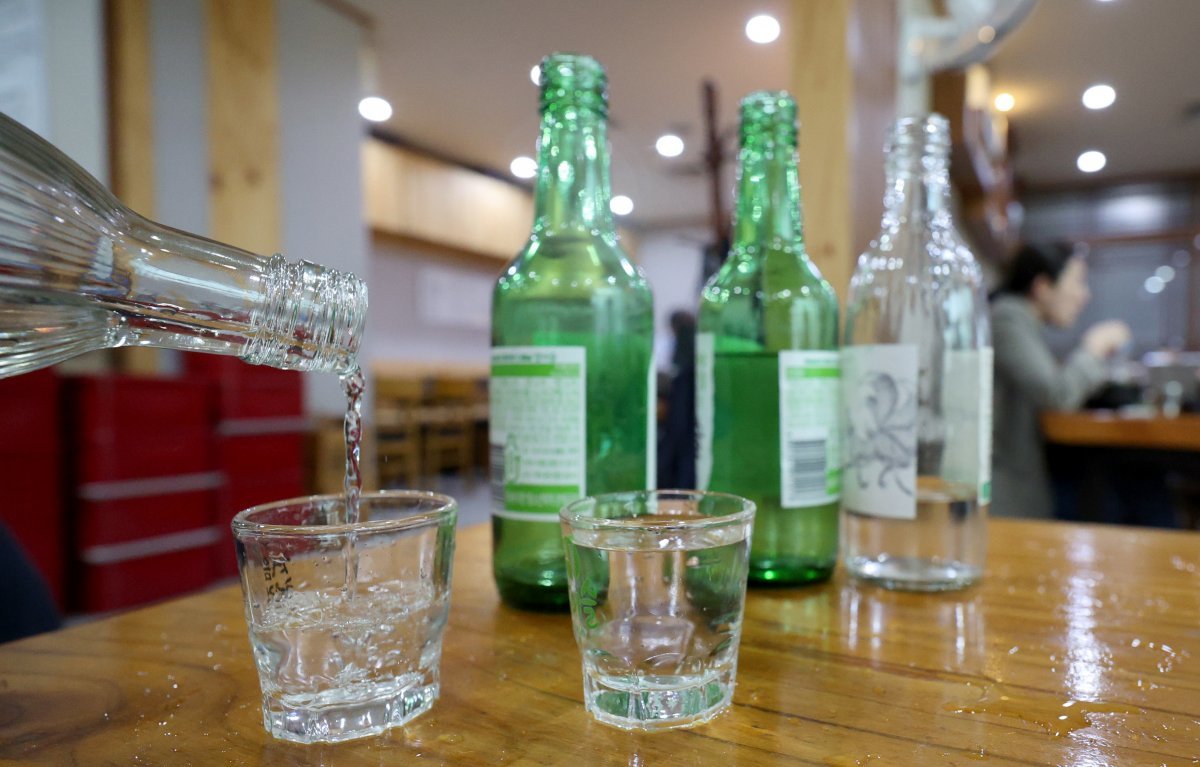
Soju is Korea's best-known alcoholic drink. In a 2019 Gallup Korea survey of 1,158 people, 61% of regular drinkers named soju as their favorite drink. Beer came second at 31%.
The Four Basic Rules of Soju Etiquette
Soju traditionally comes to the table by the bottle. These four rules decide who pours for whom, and in what order.
- Elders first: Offer a drink first to the oldest person and to the person who organized the meal.
- Two hands: Pour with two hands and receive with two hands. Between people of similar age, pouring with one hand is also acceptable.
- Turn away to drink: Turning away from an elder instead of facing them while you drink is a sign of respect.
- Let others fill your glass: You do not pour your own drink. Someone else fills your glass, and you fill theirs.
How to Pour: "Han jan ttara deurilgeyo"
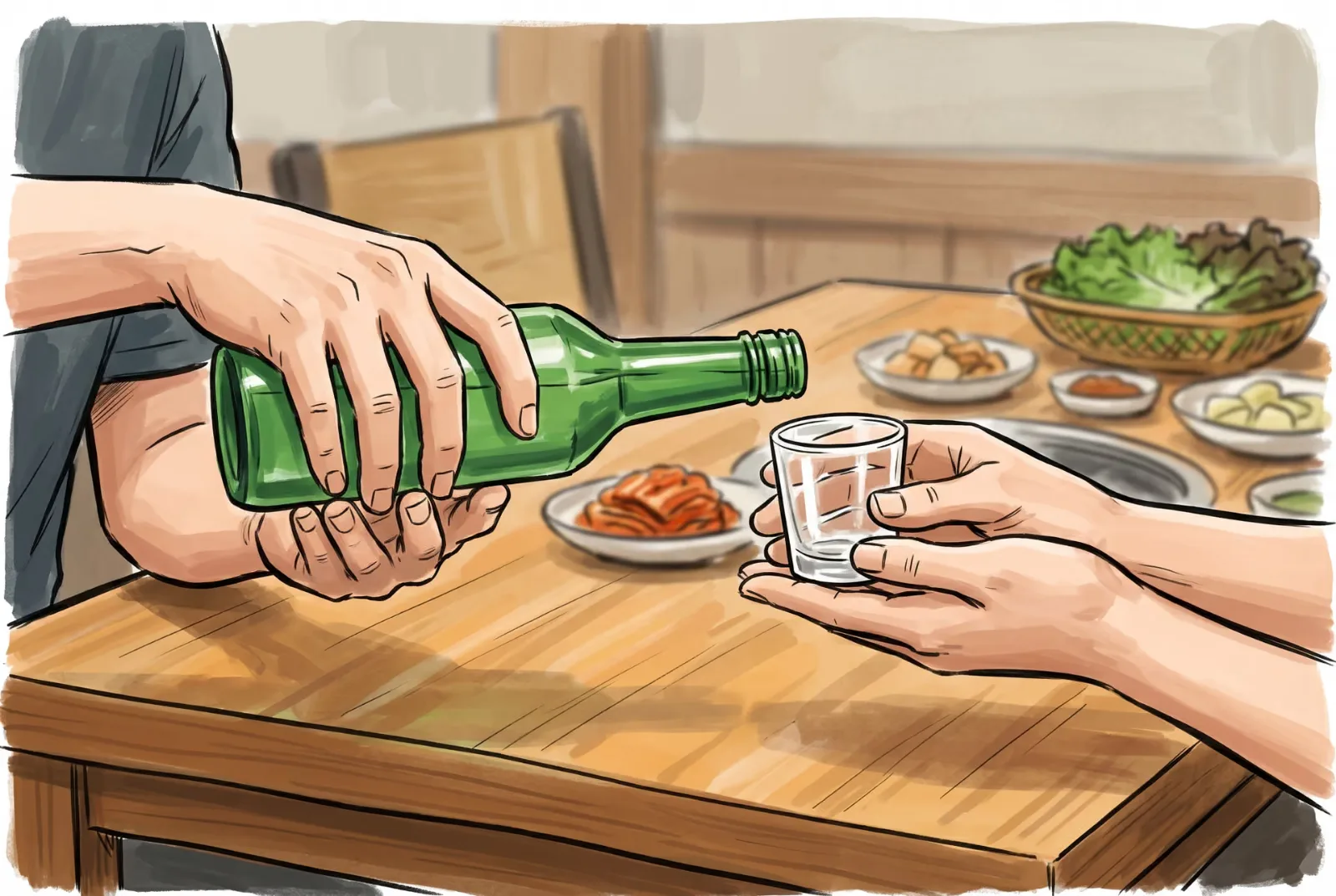
Before pouring, say "han jan ttara deurilgeyo" (한 잔 따라드릴게요), a polite way of saying "May I pour you a drink?" Then pour with two hands. There are five steps.
1. Say "han jan ttara deurilgeyo" (한 잔 따라드릴게요) first to the eldest person or the person who organized the meal.
2. Start pouring when the other person lifts their glass.
3. Cover the bottle's label with your palm. Do not hold the neck of the bottle.
4. Fill the glass only about 70% full.
5. The person receiving the drink takes the glass with two hands.
Do not top off a glass that still has drink in it. This practice, called cheomjan (첨잔), is taboo. Pour only after the glass is empty.
Toast After Everyone's Glass Is Full
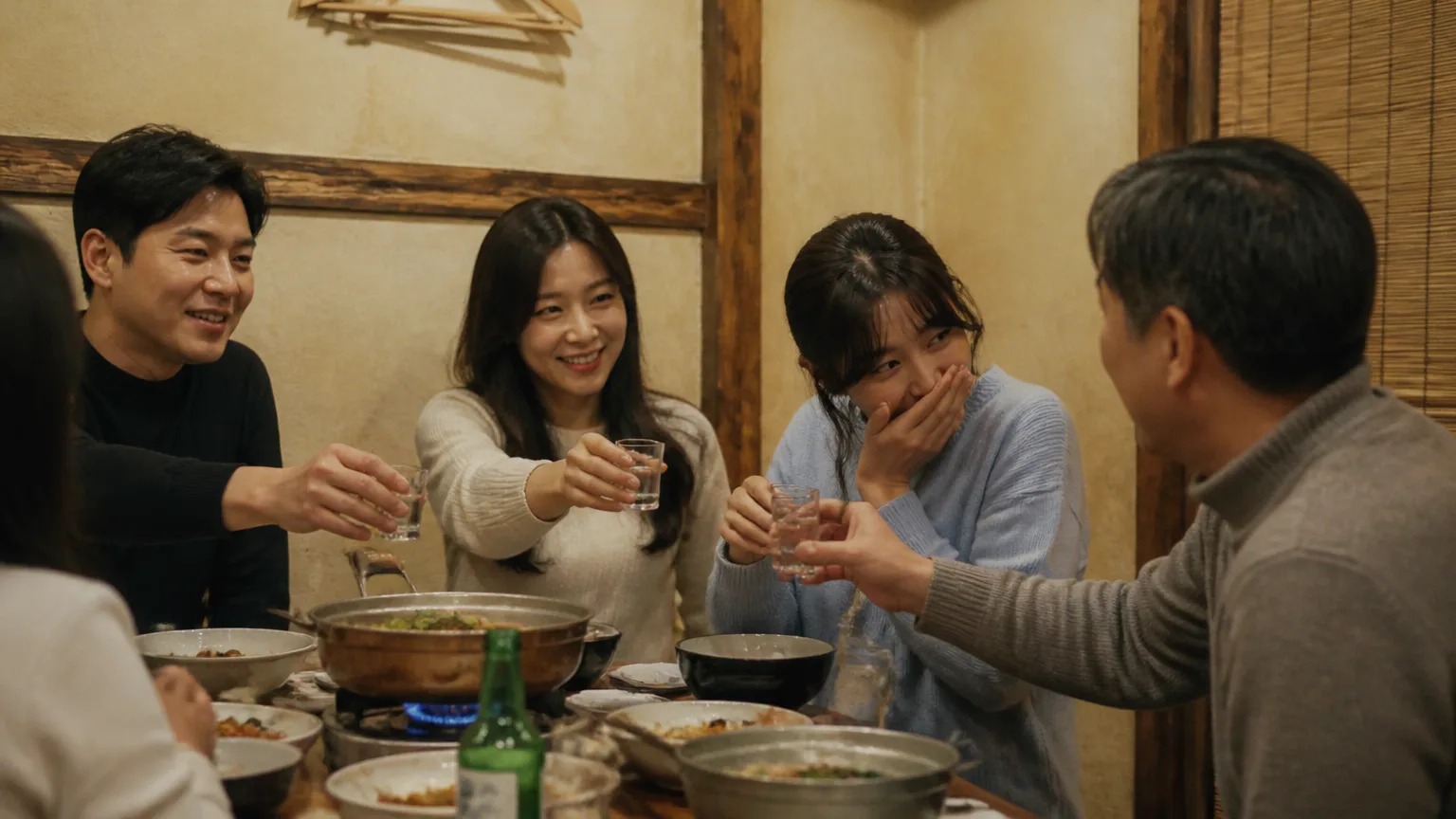
Make the toast, called geonbae (건배), only after everyone's glass is filled. Hold your glass with two hands and clink it gently, lower than the elder's glass.
It is customary to finish the first glass in one go. When you drink, turn your head away from the elder and cover your mouth. It is best to drink less than your usual limit.
Soju Food Pairings: Start with Raw Fish
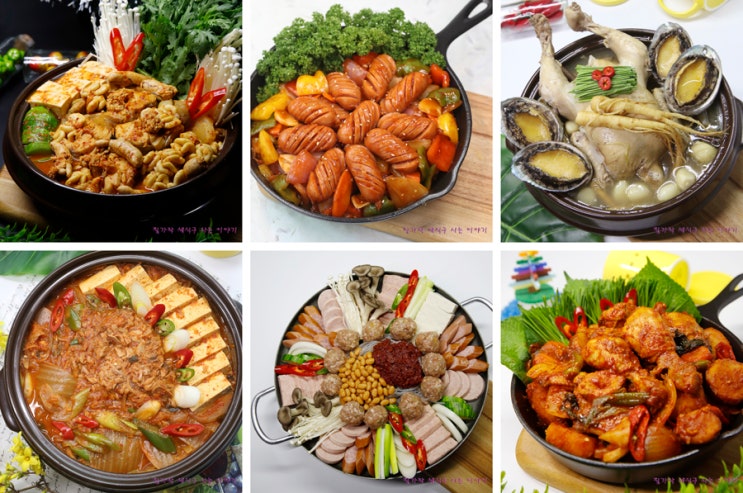
Food eaten with drinks is called anju (안주). Raw fish (hoe, 회) pairs especially well with soju. The Korea Tourism Organization says raw fish goes with soju better than with other kinds of alcohol.
Spicy food is another good match. Typical choices include spicy braised fish and meat, tofu kimchi jjigae (찌개, a Korean stew), spicy stir-fries, gopchang-gui (곱창구이, grilled beef or pork intestines), and jokbal (족발, braised pig's feet). In Korea, it is rare to order drinks without anju.
How to Make Somaek and the Right Ratio
Somaek (소맥) is soju mixed with beer. It is known for the fizz of the beer and the sharp kick of the alcohol. The most common method is to put a chopstick in the glass and tap it with another chopstick to mix the drink. A simpler method is to stir it with a spoon.
There is no fixed somaek ratio. A common rule of thumb is 3 parts soju to 7 parts beer. Some people mix 3 parts beer to 1 part soju. Another variation uses about 70% beer and 30% soju.
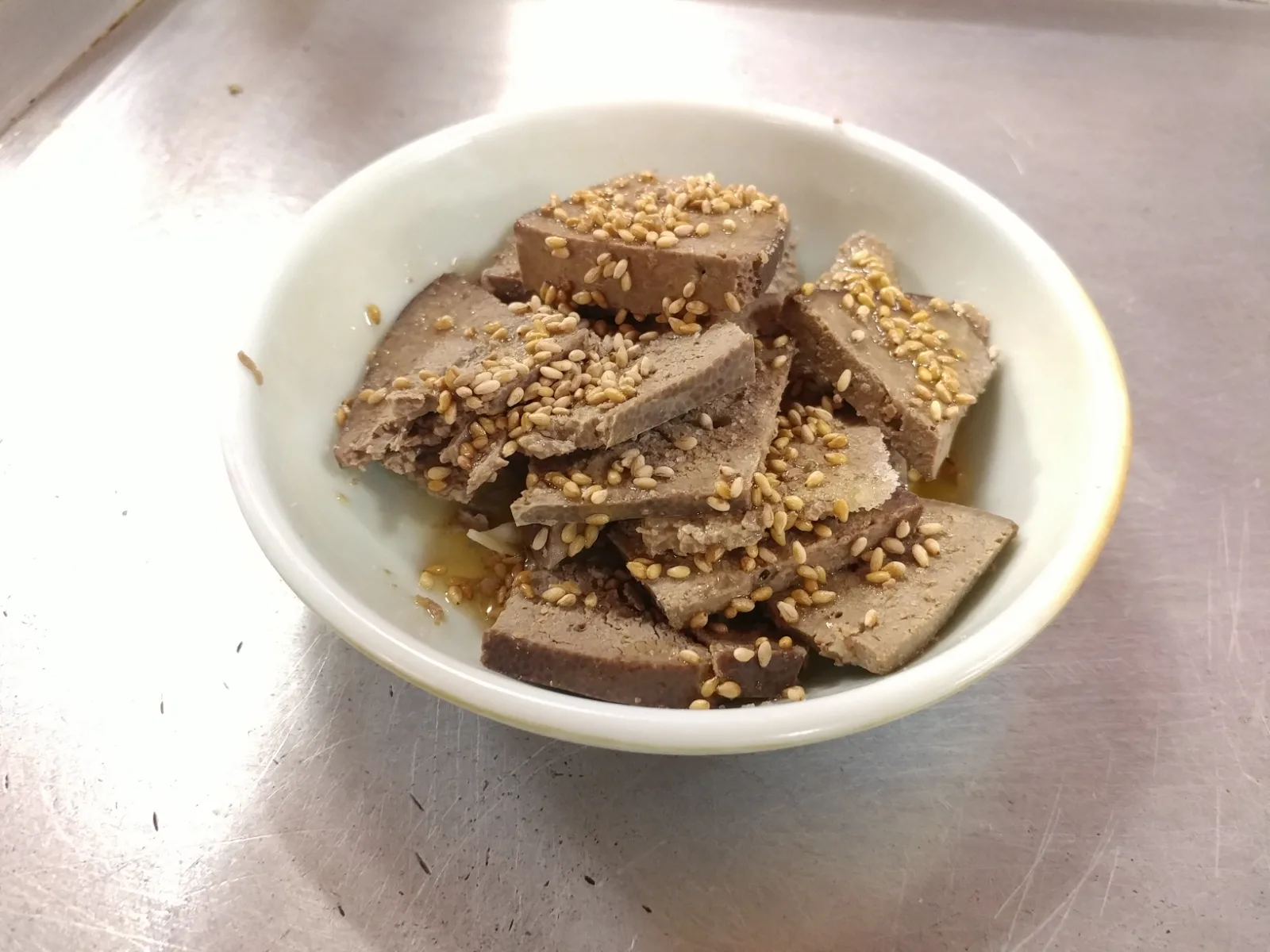
Stir-fried sundae (순대, Korean blood sausage) is a common pairing with somaek. For beer, the usual pairing is grilled dried pollack.
How to Decline a Drink
To decline soju politely, give a reason, then touch the glass to your lips and set it down. Saying only "I can't drink" ("jeoneun sureul mot masyeoseoyo", 저는 술을 못 마셔서요) is not considered polite to the person offering. Adding a reason or an amount softens it: "I have to drive" ("unjeonhaeya haeseoyo", 운전해야 해서요), "I'm taking medicine" ("yak meokgo isseoseoyo", 약 먹고 있어서요), or "Just one glass" ("han janmanyo", 한 잔만요). The person offering should stop after two or three tries.
The same approach applies at hoesik (회식), a group meal with coworkers. Forcing someone to drink is now seen as a form of workplace harassment, and pressure to drink at hoesik is declining. Most companies and business partners understand when you do not want to drink much, and you can drink at your own pace.
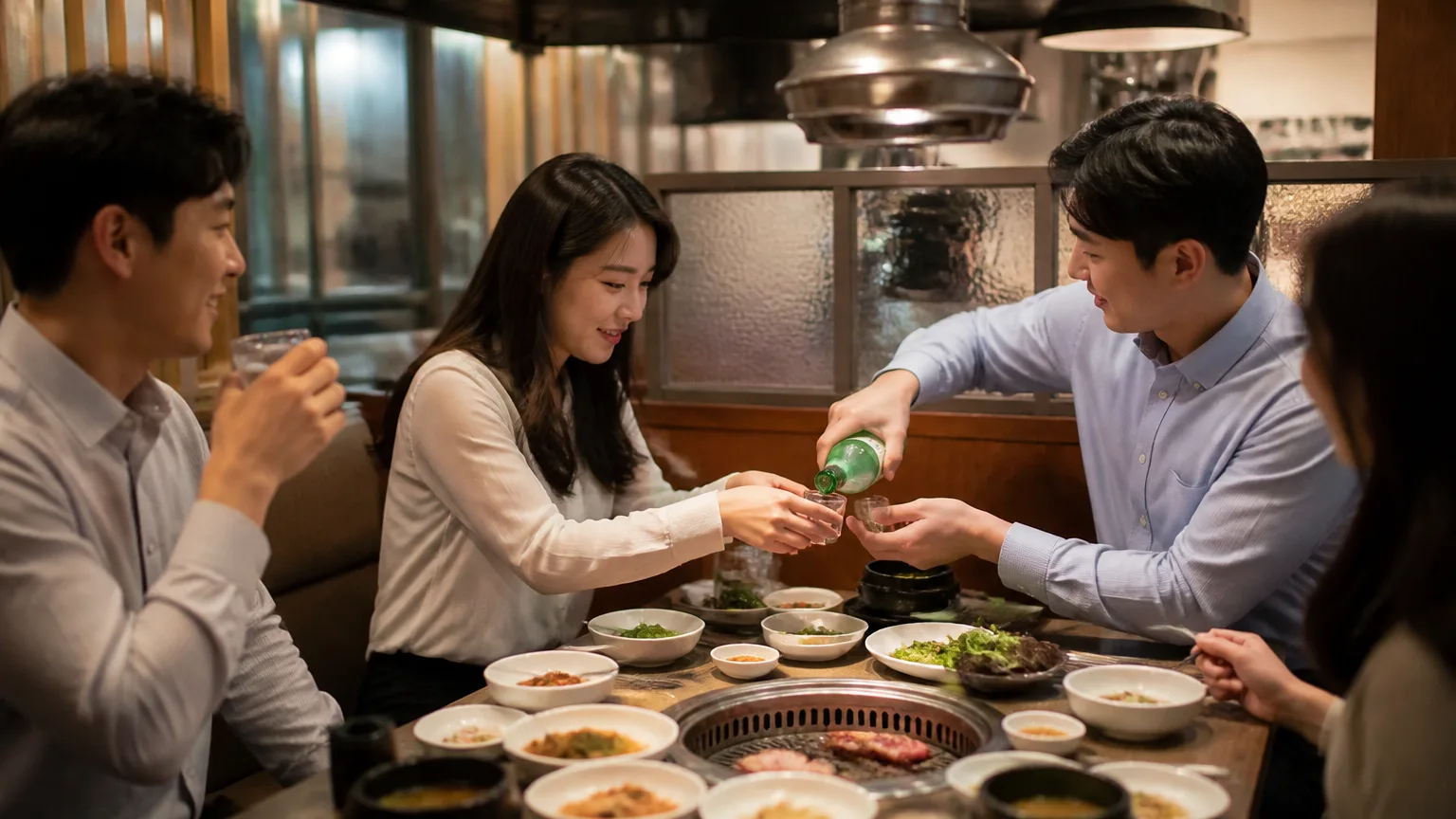
If you remember just four things, you will have the basics of any soju table: elders first, two hands, turn away to drink, and let others fill your glass. At a restaurant, start with "han jan ttara deurilgeyo," clink glasses with "geonbae," and drink slowly with food.