Foreign tourists in Korea can get a refund on value-added tax (VAT) when they shop at stores with a "Tax Free" sign. For expensive electronics such as smartphones, laptops, and cameras, the amount you get back and when you get it depend on the refund method and the customs steps you follow when you leave. Tax Free is a system that lets foreign tourists claim back the tax on goods they buy during a trip. A Global Tax Free notice posted at a store entrance in Seoul's Myeongdong shopping district. Photo: Tenant News Refunds are about 4–8% of the purchase price The Tax Free refund applies to foreign tourists who spend at least ₩15,000 per receipt. The amount you actually get back is about 4–8% of the purchase price. The taxes refunded are VAT and the individual consumption tax. The VAT included in the price is about 9%, and you receive that amount minus the refund agency's fee. You qualify if you are a non-resident foreigner staying in Korea for less th...
In Korea, you give a gift with both hands, receive it with both hands, and don't open it on the spot. Add a few gifts to avoid, plus what to bring and how much to spend for holidays, housewarmings, and weddings, and you have most of Korean gift etiquette covered.
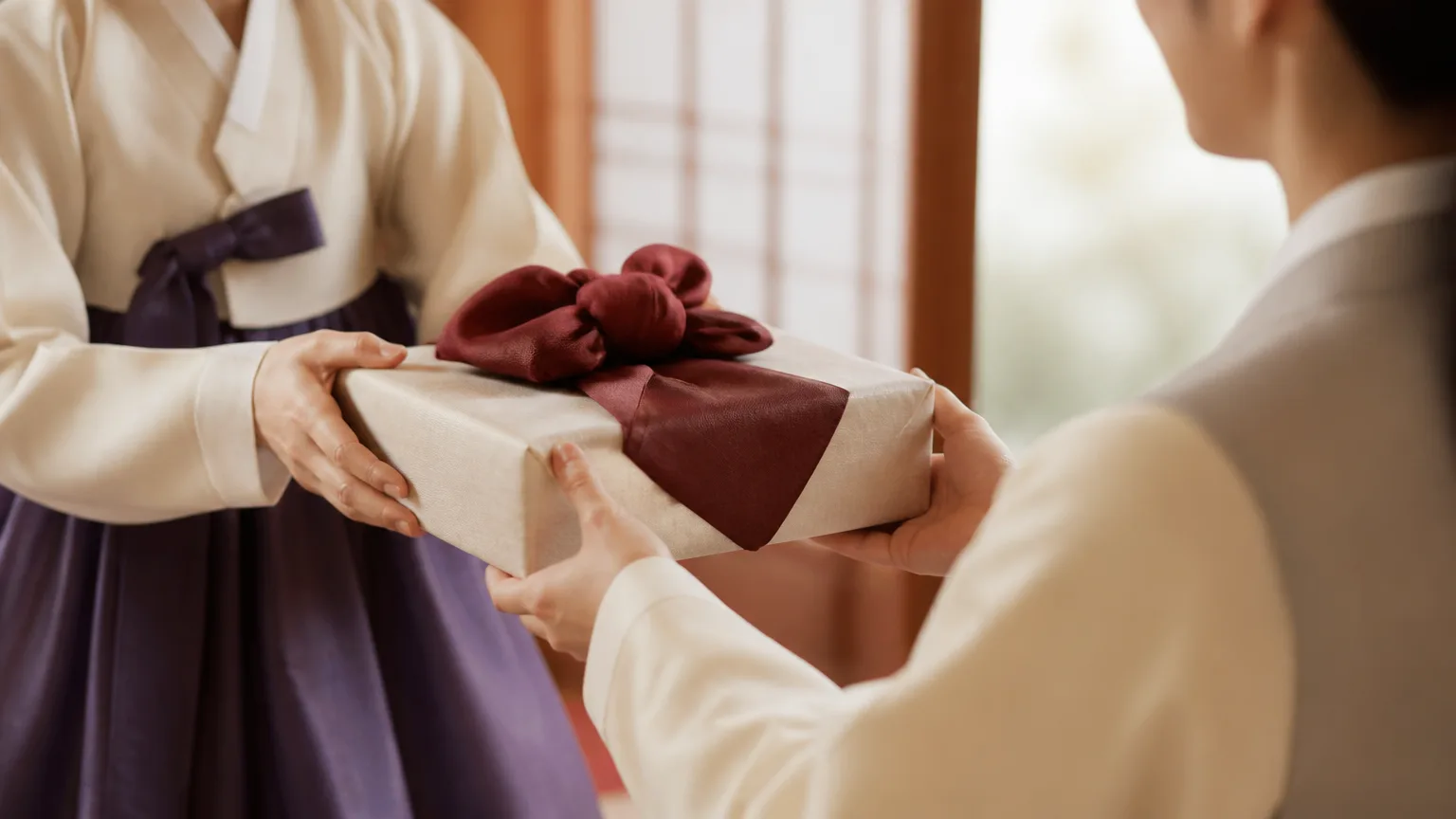
Give with both hands, open it later
In Korea, you hand over a gift with both hands and receive it with both hands. The rule is stricter with older people and in formal settings. It is looser among young people and close friends. The person receiving the gift looks at the wrapping, says thank you, sets the gift aside, and opens it later when alone. If the giver suggests opening it now, you can open it on the spot.
Politely declining once at first is good manners. A short refusal from the receiver may not be a real refusal, so the giver gently offers two or three more times. Where company rules ban gifts, don't offer one.
Gifts to avoid: the number 4 and knives
Gifts to avoid are sets of four, sharp objects such as knives and scissors, and names written in red ink.
- Sets of 4: In Korean, the number 4 sounds like the word for death, so people avoid bundles of four.
- Knives and scissors: Sharp objects symbolize cutting off a relationship.
- Red ink: Don't write the recipient's name or a message in red ink.
- Shoes, umbrellas, and mirrors: Shoes and umbrellas can be read as telling someone to leave, so they are listed as gifts to avoid. Mirrors appear on the same list.
Opinions differ on wrapping paper color. Some say to avoid dark colors and red. Others recommend red and yellow wrapping.
Chuseok and Seollal gifts: food sets and cash
Chuseok (추석) and Seollal (설날) are the two holidays when the most gifts change hands in Korea. Chuseok honors the autumn harvest, and Seollal is the Lunar New Year holiday. Gifts include health foods, premium beef, seasonal fruit, food gift sets, and cash. During holiday season, department store entrances are stacked with sets of Spam, toothpaste, cooking oil, and more.
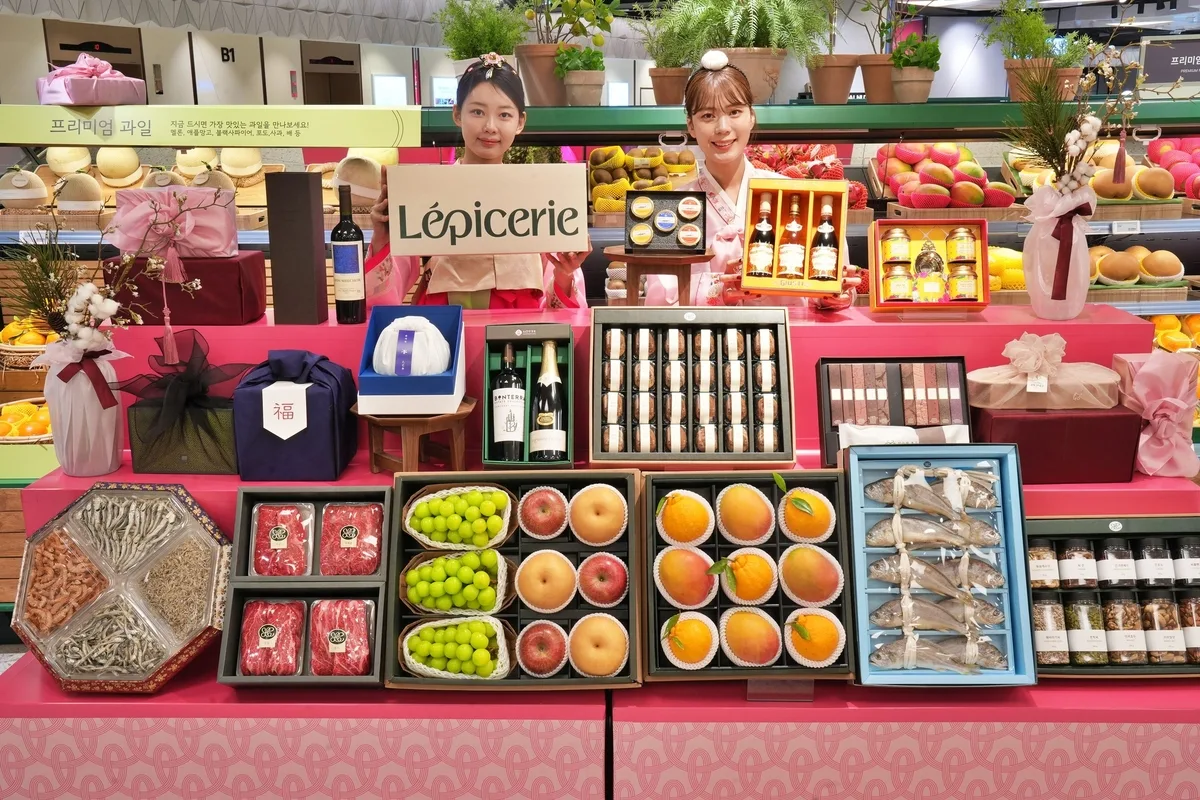
Housewarming and home visit gifts: ₩20,000–₩50,000
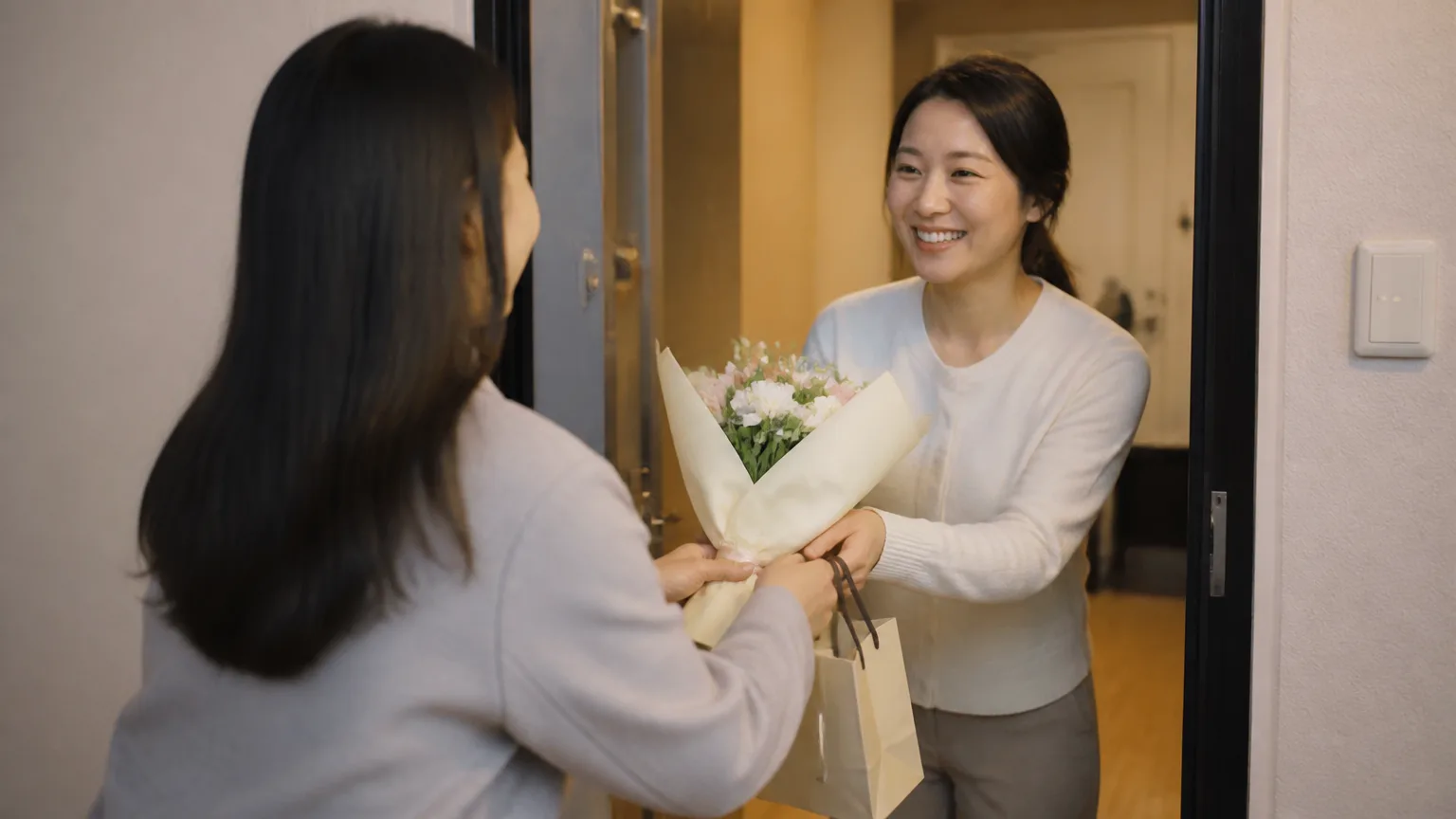
For a jipdeuri (집들이), a housewarming party where someone who has moved into a new home invites acquaintances, the conventional gift is a household item such as toilet paper or detergent, usually priced at ₩20,000–₩50,000. Toilet paper carries a meaning of prosperity. For an ordinary home visit, people bring a small gift such as fruit, snacks, or bread.
If you bring flowers to someone's home, choose ones that are not too showy. If the host receives expensive flowers, they may feel they have to return a gift of similar value.
Wedding cash gifts: ₩50,000 is the most common amount
For a wedding cash gift, called chuguigeum (축의금, cash given at a wedding), ₩50,000 is the most common amount, and the average is ₩117,000. The 2025 average gift was about 6.9% higher than the ₩110,000 average in 2023. In bank transfer statistics, the most common amount is ₩50,000 (42.3%), followed by ₩100,000 (39.7%) and ₩200,000 (7.5%).
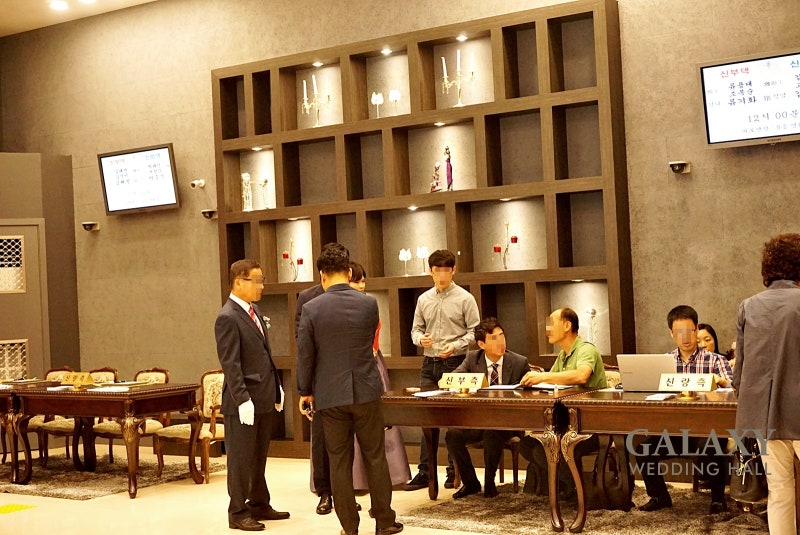
Put the money in a white envelope, using clean, new bills. At the venue, your name and the amount are recorded in a ledger. Some guides put close acquaintances at ₩50,000–₩100,000 and work colleagues at ₩30,000–₩50,000. Other guides say ₩100,000 or more for wedding and funeral cash gifts.
Gifts at work and what to choose when unsure
At work, avoid personal gifts. A safe choice almost anywhere is a branded, consumable, practical item. Avoid clothes and perfume in work relationships. The Improper Solicitation and Graft Act (청탁금지법) sets legal limits on the value of gifts connected to work or public office.
Consumable items such as food, drinks, and household goods are generally safe. Branded, well-wrapped items are received as more substantial. A small thank-you gift is a snack or drink in the ₩3,000–₩20,000 range. When you receive a gift, it is customary to return something of similar value at a suitable time, so a gift that is too expensive puts a burden on the recipient.
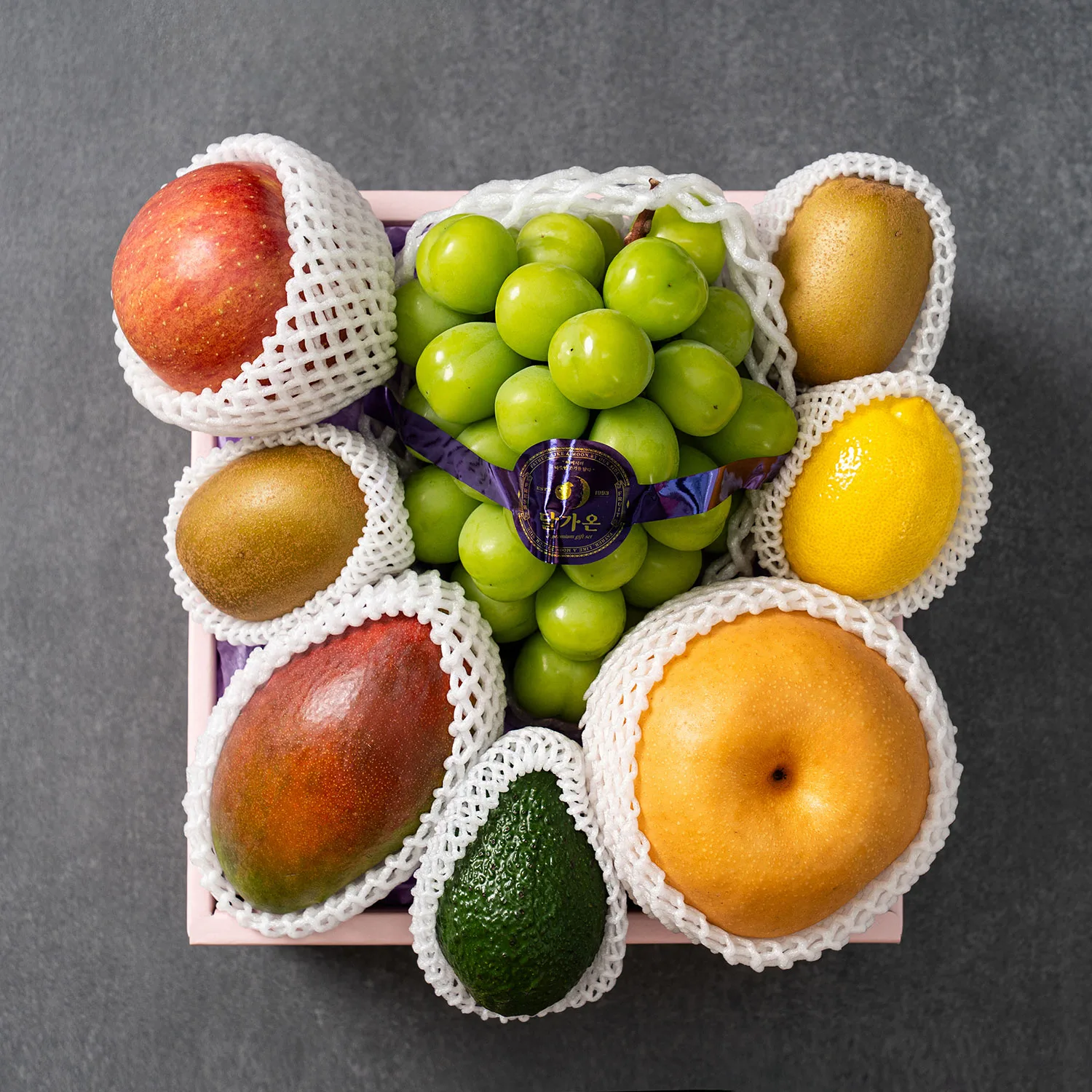
For Korean gift etiquette, giving and receiving with both hands, opening gifts later, and avoiding the wrong items will keep you out of most trouble. Choose a safe gift that suits your relationship with the person and the occasion, and your thoughtfulness will come across.
References
- https://www.koreajoongangdaily.com/korea/it-pays-to-propose-wedding-cash-gifts-rise-to-average-of-117000-won/12515540
- https://newinkorea.com/en/lifestyle/korean-gift-giving-etiquette-explained
- https://bestofkorea.com/korean-etiquette/
- https://theculturalatlas.org/south-korean-culture/south-korean-culture-etiquette
- https://korea.stripes.com/travel/how,-when-to-give-gifts-and-tips-in-south-korea.html
- https://thesoulofseoul.net/gift-giving-guide-korea/