Foreign tourists in Korea can get a refund on value-added tax (VAT) when they shop at stores with a "Tax Free" sign. For expensive electronics such as smartphones, laptops, and cameras, the amount you get back and when you get it depend on the refund method and the customs steps you follow when you leave. Tax Free is a system that lets foreign tourists claim back the tax on goods they buy during a trip. A Global Tax Free notice posted at a store entrance in Seoul's Myeongdong shopping district. Photo: Tenant News Refunds are about 4–8% of the purchase price The Tax Free refund applies to foreign tourists who spend at least ₩15,000 per receipt. The amount you actually get back is about 4–8% of the purchase price. The taxes refunded are VAT and the individual consumption tax. The VAT included in the price is about 9%, and you receive that amount minus the refund agency's fee. You qualify if you are a non-resident foreigner staying in Korea for less th...
Korean etiquette for tourists comes down to five habits: bow to greet, take off your shoes, use two hands, let elders go first, and keep your voice low. Knowing these five helps you avoid mistakes in most places, including restaurants, the subway, and royal palaces. This guide covers homes, restaurants, public transit, palaces, and Bukchon Hanok Village, in that order.
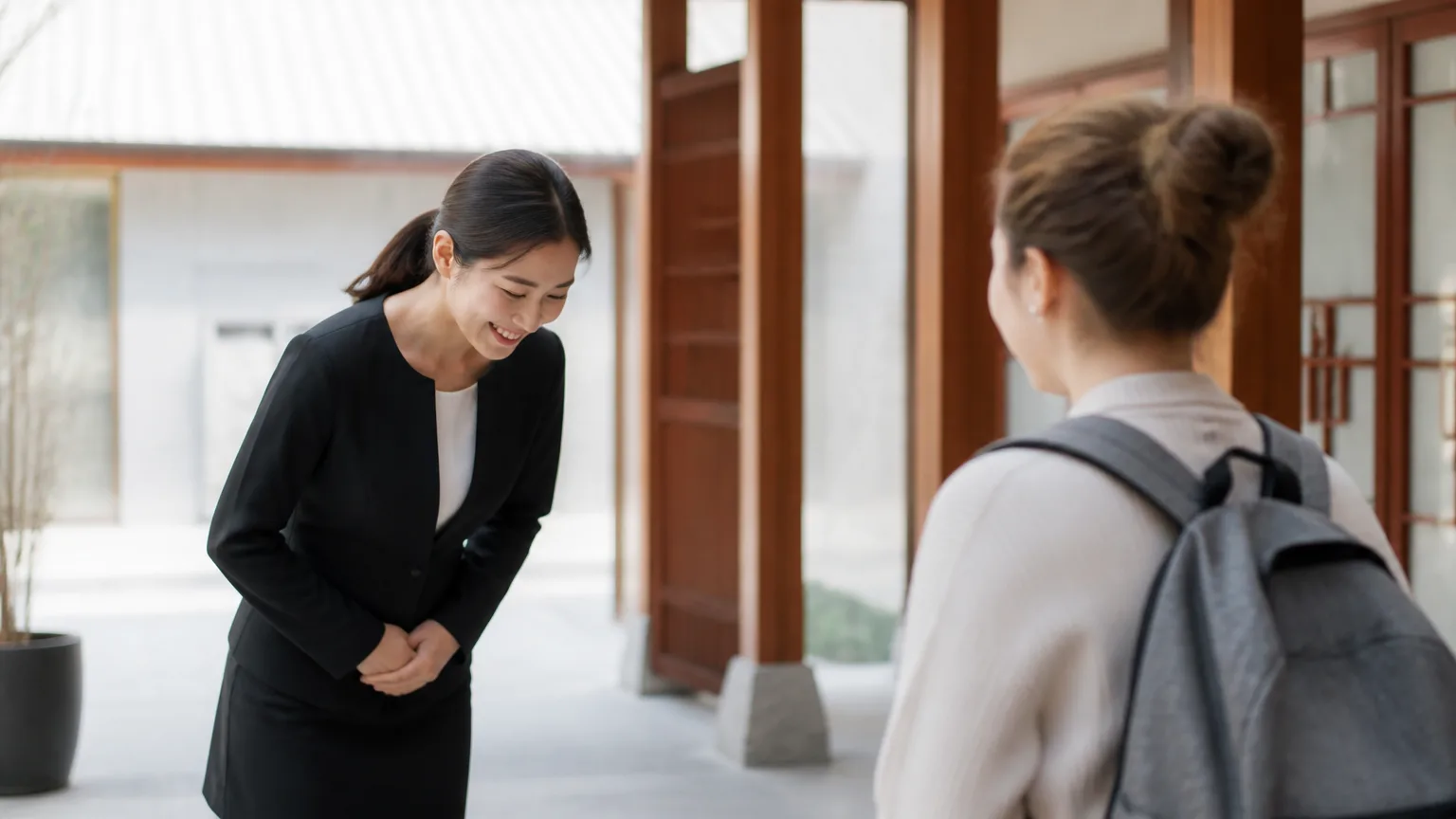
Greet with a bow, and say the family name first
The standard greeting in Korea is a bow, not a handshake. Bend from the waist, keep your legs straight, and keep your hands at your sides. The older the other person is, or the higher their position, the deeper you bow. Men sometimes shake hands too. When they do, they support the right hand with the left.
In Korea, the family name comes first when you say a name. Until you are invited to do otherwise, do not call someone by their given name alone. Use their family name plus their title.
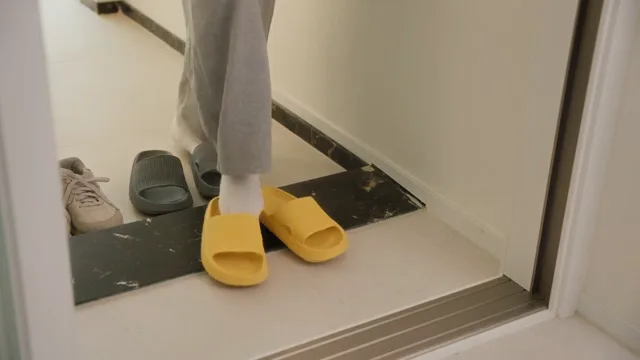
Where to take off your shoes: homes and some restaurants
In a Korean home, you take off your shoes at the entrance. The host may hand you slippers. Some restaurants and traditional accommodations also ask you to leave your shoes at the door.
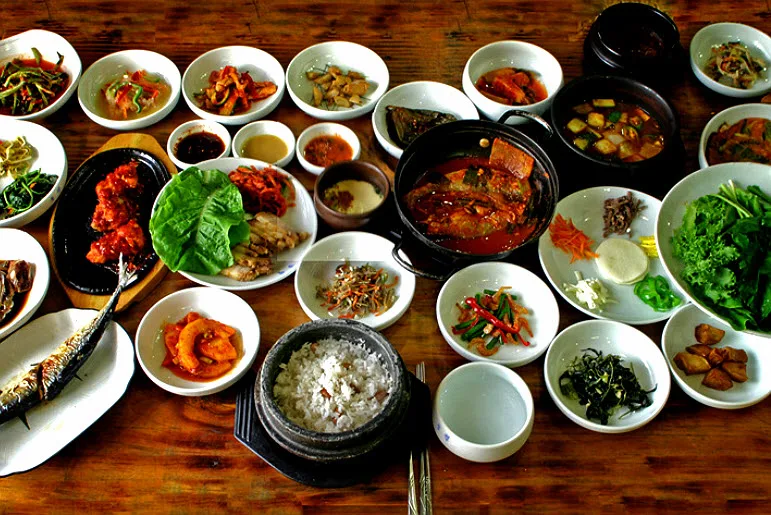
Restaurant etiquette: elders first, and no tipping
In a Korean restaurant, start eating only after the eldest person at the table has picked up their spoon and chopsticks. Use the spoon for rice and soup, and chopsticks for side dishes. Eating rice with chopsticks is generally considered rude.
- Do not rummage through shared side dishes.
- Chew with your mouth closed.
- Do not stick your spoon or chopsticks upright in your rice bowl. Put them back where they were.
- Do not pour your own drink.
- When you pour a drink for someone senior, or receive one from them, hold the bottle and the glass with both hands.
- When an elder drinks, younger people turn their heads away.
Tipping is not customary in Korea. In 2013, a revision to the Food Sanitation Act introduced a total-price display system, so the menu price at a restaurant includes tax and service charge.
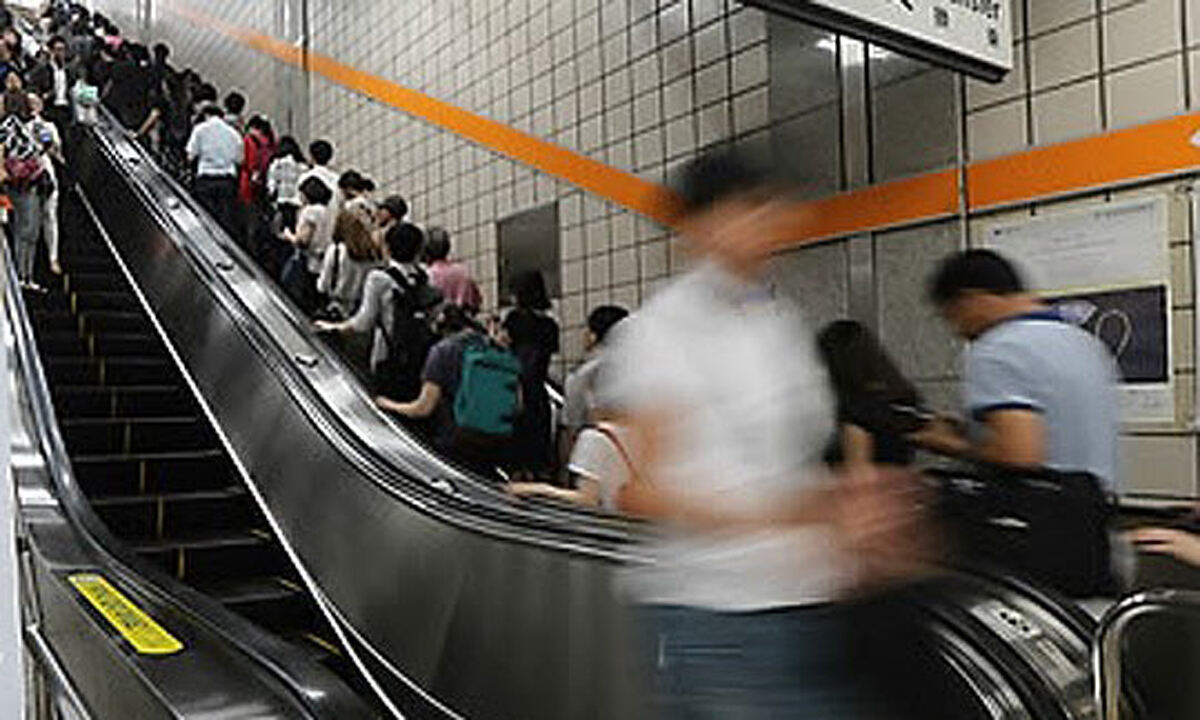
Subway etiquette: keep your voice low
In public transit and other public places, the basic rule is to lower your voice. This applies especially when you speak in your native language. Here are the rules to follow on the subway.
- Keep your phone on vibrate and keep your earphone volume low.
- Wait until everyone has gotten off before you board.
- Leave the priority seats for older people, pregnant women, and people with disabilities empty.
- Do not eat or drink.
- On escalators, stand on the right and leave the left side open.
- Wear a large backpack on your front.
On the street, do not block the sidewalk while taking photos. Do not photograph private homes where people live. Follow the local rules for disposing of trash. Also avoid public displays of affection and blowing your nose in public.
Palaces, Bukchon, and temples: places with their own rules
Article 6 of Seoul's palace viewing regulations prohibits a range of visitor behavior. A royal palace is a residence where Korea's former kings lived. The prohibited acts are:
- Smoking outside designated areas
- Bringing exercise equipment, musical instruments, or loudspeakers
- Drinking alcohol
- Inappropriate clothing
- Religious or shamanic practices
- Graffiti and damage
- Singing and shouting
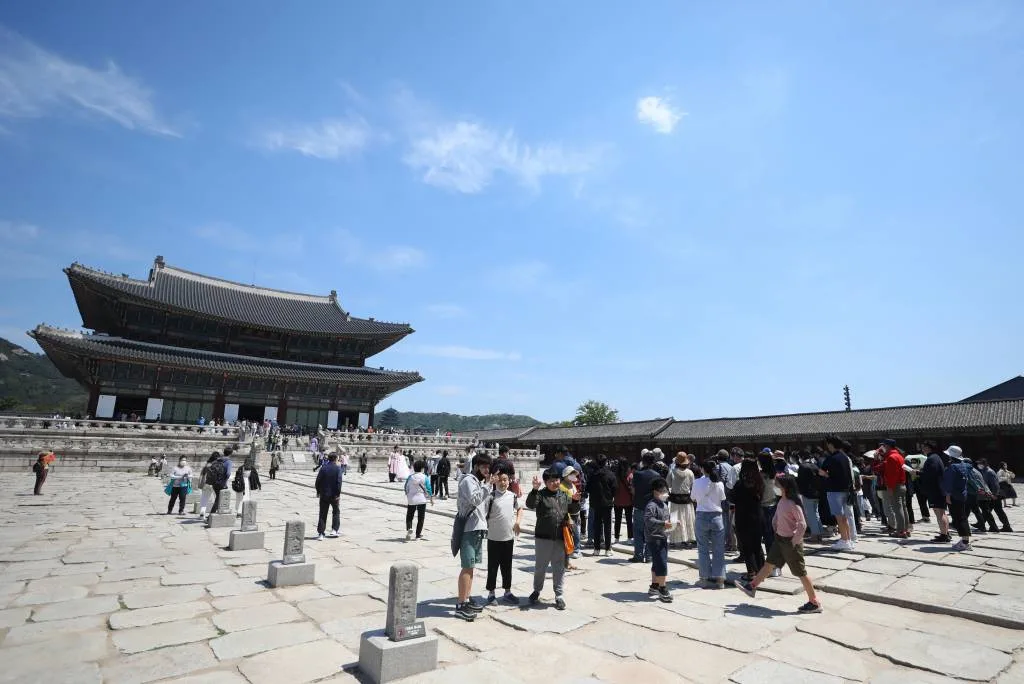
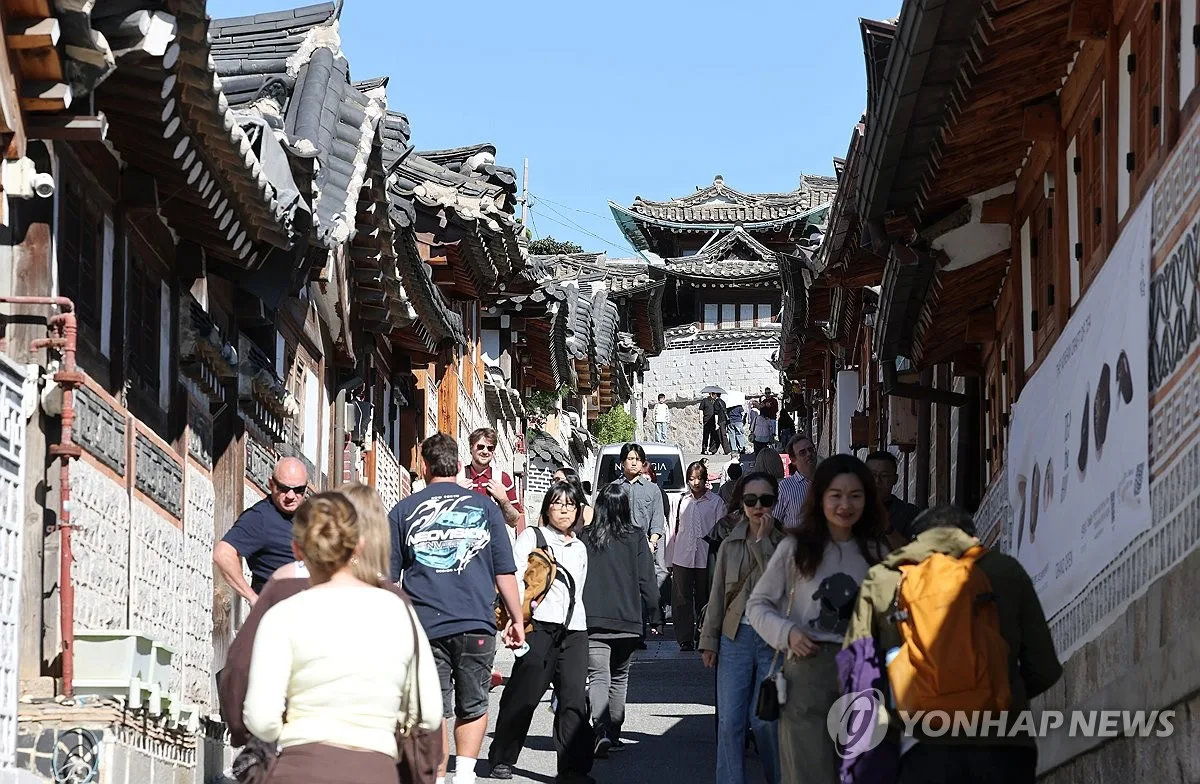
Bukchon Hanok Village has a residential area where locals live, and this zone is called the red zone. In the red zone, a curfew restricts tourist access after 5 p.m. The lower part of Bukchon, between Anguk Station and the Constitutional Court, is a commercial area and has no curfew. Bukchon also has a set visitor route.
At temples, you take off your shoes. Most temples prohibit food and drinks inside.
Where to check before you go: VISITKOREA and 1330
Visit Seoul (english.visitseoul.net), run by the Seoul Tourism Organization, has a Korean etiquette page. VISITKOREA (english.visitkorea.or.kr) has information on the 1330 Korea Travel Helpline.
In short, Korean etiquette means greeting with a bow, taking off your shoes at the entrance, pouring drinks with both hands, letting elders eat first, and keeping your voice low in public. Palaces and Bukchon Hanok Village have their own rules, so following those as well will make your trip to Korea much more comfortable.