Foreign tourists in Korea can get a refund on value-added tax (VAT) when they shop at stores with a "Tax Free" sign. For expensive electronics such as smartphones, laptops, and cameras, the amount you get back and when you get it depend on the refund method and the customs steps you follow when you leave. Tax Free is a system that lets foreign tourists claim back the tax on goods they buy during a trip. A Global Tax Free notice posted at a store entrance in Seoul's Myeongdong shopping district. Photo: Tenant News Refunds are about 4–8% of the purchase price The Tax Free refund applies to foreign tourists who spend at least ₩15,000 per receipt. The amount you actually get back is about 4–8% of the purchase price. The taxes refunded are VAT and the individual consumption tax. The VAT included in the price is about 9%, and you receive that amount minus the refund agency's fee. You qualify if you are a non-resident foreigner staying in Korea for less th...
Foreign tourists in Korea can get a refund on value-added tax (VAT) when they shop at stores with a "Tax Free" sign. For expensive electronics such as smartphones, laptops, and cameras, the amount you get back and when you get it depend on the refund method and the customs steps you follow when you leave. Tax Free is a system that lets foreign tourists claim back the tax on goods they buy during a trip.
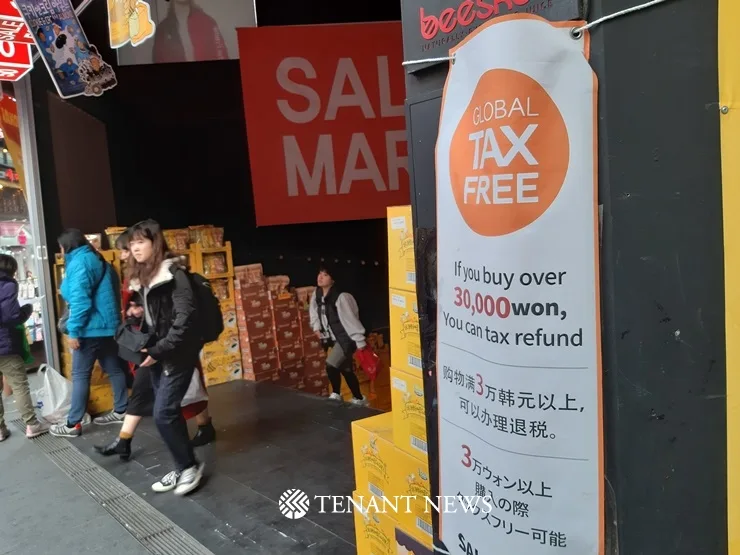
Refunds are about 4–8% of the purchase price
The Tax Free refund applies to foreign tourists who spend at least ₩15,000 per receipt. The amount you actually get back is about 4–8% of the purchase price. The taxes refunded are VAT and the individual consumption tax. The VAT included in the price is about 9%, and you receive that amount minus the refund agency's fee.
You qualify if you are a non-resident foreigner staying in Korea for less than 6 months. Overseas Koreans also qualify if they have lived abroad for 2 years or more and are staying in Korea for less than 3 months.
Under ₩1,000,000: instant refund
There are two refund methods: an instant refund at the store, and a post-purchase refund at a counter later.
- Instant refund: You pay at the store register at a price with the refund already deducted. A single payment must be at least ₩15,000 and under ₩1,000,000. Your total purchases for the whole trip cannot exceed ₩5,000,000.
- Post-purchase refund: You pay the full price, then claim the refund at an airport or in-city refund counter. In-city counters handle up to ₩6,000,000 per receipt.
If a single payment is ₩1,000,000 or more, as with a laptop or a high-end camera, you cannot use the instant refund. You must use the post-purchase refund. If you claim your refund at an in-city counter, you must show the refund receipt to airport customs or a designated refund counter when you leave Korea and report it.

The Tax Free sign and the sales confirmation slip
Stores that offer refunds display a "Tax Refund" or "Tax Free" sign and a certification logo at the entrance or the register. For electronics, ask the staff before you pay whether the item qualifies for a refund.
At the register, show your passport and ask for the refund. To finish the refund when you leave, you need your passport, the sales confirmation slip (the receipt), and the goods themselves. Keep the receipt with the goods and do not throw it away. You must complete the refund before you leave Korea.
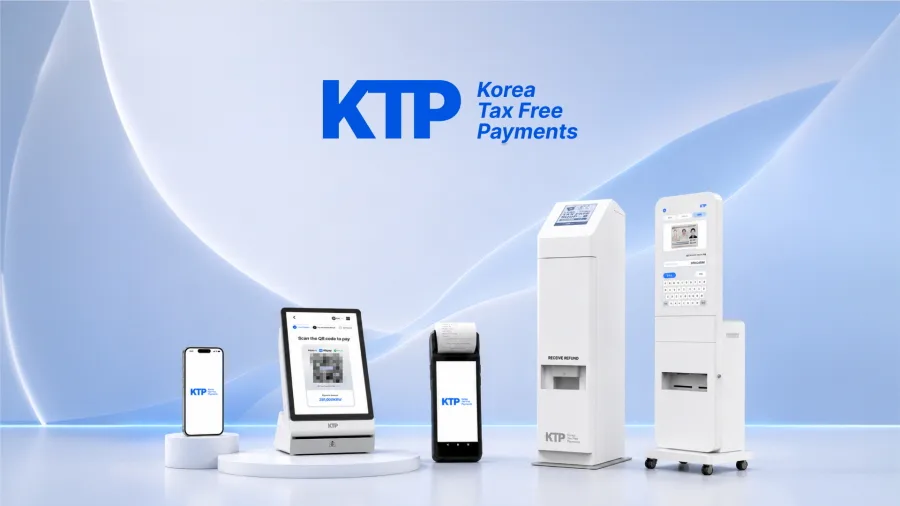
The 4 steps at Incheon Airport
At Incheon Airport, the order is: check in, get customs export approval, check your baggage, then go to the refund counter. Do not check your bags before you get the customs stamp.
1. Check in at the check-in counter, but do not drop off your baggage yet. Have your refund receipt ready.
2. Show the customs officer your goods and receipt, and get the Customs Export Approval stamp.
3. Drop off your baggage at the oversized baggage counter.
4. Hand your passport and receipt to a refund counter or kiosk. After you pass security, you receive your refund in cash.
Because the customs officer needs to see the goods, do not pack electronics in your checked bag. Keep them where you can take them out. At airports with self-service check-in kiosks, you enter your passport and sales confirmation slip. If you are selected for inspection, go to the customs inspection team. At airports without kiosks, go straight to the customs inspection team.
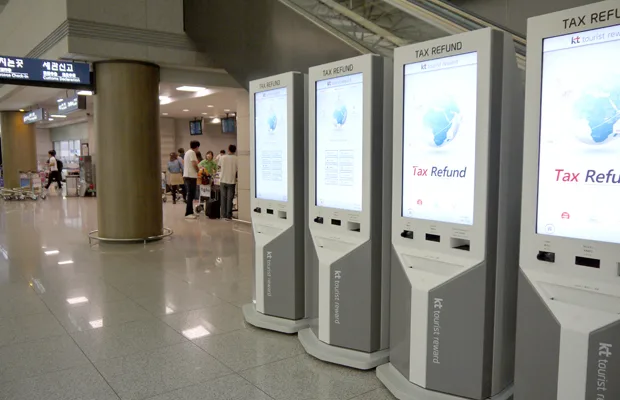
Conditions: unopened goods and leaving within 3 months
To avoid losing your refund, do not open or use the goods, and leave Korea within 3 months of the purchase date. The goods must be new, unopened, and unused, so carry electronics in their sealed boxes.
If you leave when the refund counters are closed, write the required information on the receipt and drop it in a designated mailbox. In that case, the refund arrives within 1–2 months on your overseas credit card, Alipay, or WeChat Pay.
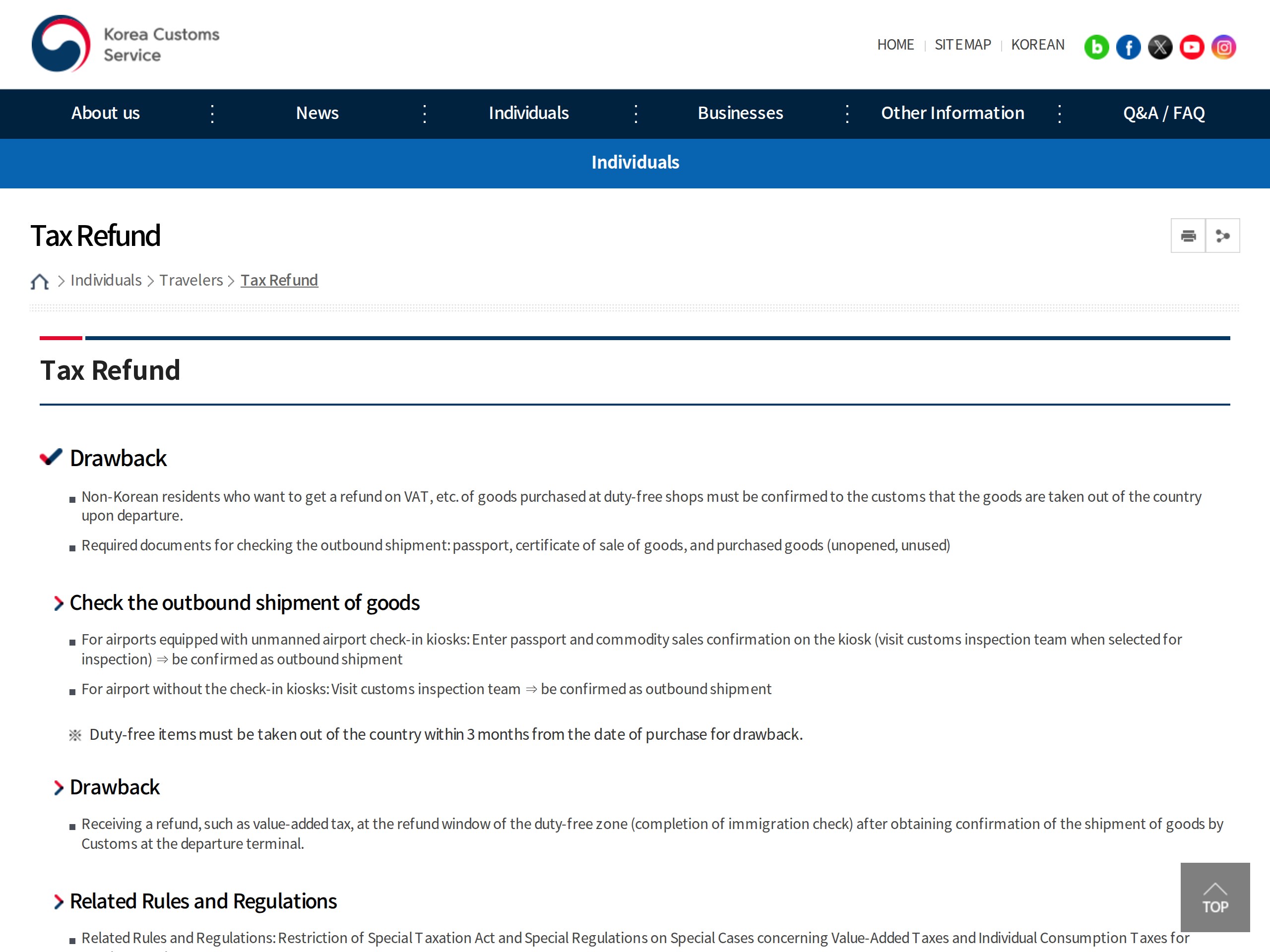
When you buy electronics in Korea, the refund is about 4–8% of the purchase price. Buy at a store with a "Tax Free" sign, keep the box sealed, and get the customs stamp first, and you will not miss the refund. Follow the steps in order and you can leave Korea with less tax paid on your electronics.