Foreign tourists in Korea can get a refund on value-added tax (VAT) when they shop at stores with a "Tax Free" sign. For expensive electronics such as smartphones, laptops, and cameras, the amount you get back and when you get it depend on the refund method and the customs steps you follow when you leave. Tax Free is a system that lets foreign tourists claim back the tax on goods they buy during a trip. A Global Tax Free notice posted at a store entrance in Seoul's Myeongdong shopping district. Photo: Tenant News Refunds are about 4–8% of the purchase price The Tax Free refund applies to foreign tourists who spend at least ₩15,000 per receipt. The amount you actually get back is about 4–8% of the purchase price. The taxes refunded are VAT and the individual consumption tax. The VAT included in the price is about 9%, and you receive that amount minus the refund agency's fee. You qualify if you are a non-resident foreigner staying in Korea for less th...
When a foreigner looks for a home in Korea, the contract type and two reporting deadlines matter more than the housing type. Report your move within 15 days of moving in (a change-of-residence report). If your lease is above a set amount, report the contract within 30 days of signing (a lease report).
In Korea, even monthly rent comes with a deposit. There is also a separate system called jeonse (전세), which uses a very large deposit. Which one you choose can change the lump sum you need at move-in by tens of times.
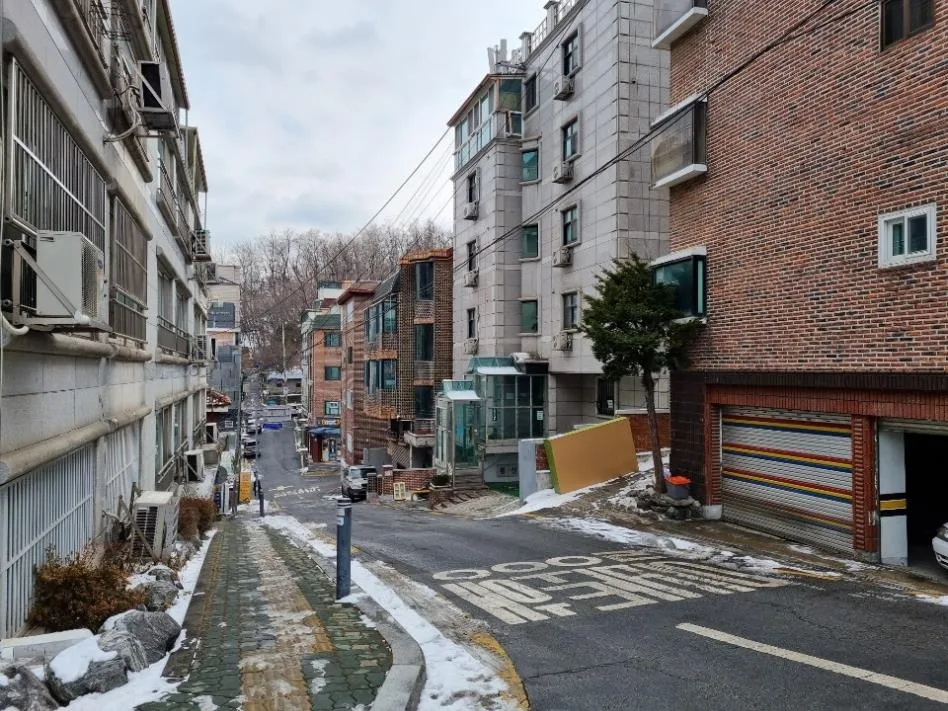
Six Types of Housing in Korea
Foreigners in Korea usually choose from one-rooms, officetels, goshiwons, hasukjibs, serviced residences, and apartments. Size, rent, and maintenance fees differ by type.
- One-room (원룸): A small home made up of a single room. It is also called a studio.
- Officetel (오피스텔): Usually larger than a one-room and often more expensive. It is a commercial building, so maintenance fees are charged separately.
- Goshiwon (고시원): A dormitory-style home made up of small rooms. It is usually cheaper than a hasukjib.
- Hasukjib (하숙집): A room-rental arrangement. Rent is ₩350,000 to ₩550,000 a month.
- Serviced residences and apartments: Officetels and apartments may charge maintenance fees. Whether utilities are included in the rent is set contract by contract.
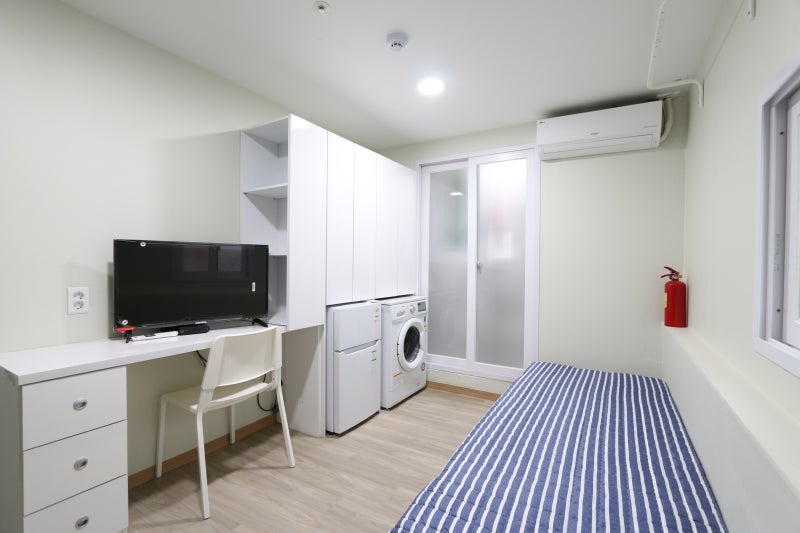
Deposit and Rent Trade Off
In a monthly rent (wolse, 월세) contract, a higher deposit means lower monthly rent. In a jeonse contract, you leave a large deposit with the landlord, live there without paying monthly rent, and get the deposit back when you move out. Monthly rent contracts usually run 1 to 2 years.
Private guides describe a jeonse deposit as 50% to 80% of the home's value. The LiveAnywhere guide advises avoiding jeonse because most foreigners do not have the capital for it. It also says foreigners can legally sign jeonse contracts.
The SeoulStart guide says that if you sign for less than 2 years, the term is treated as 2 years unless the tenant asks for the shorter period. The LiveAnywhere guide says that ending a lease early may cost one or two months of rent.
Monthly Rent Runs ₩200,000 to ₩1,200,000 and Up
Monthly rent ranges widely, from the ₩200,000 range for goshiwons and share houses to ₩1,200,000 or more for higher-end housing. The figures below come from private guides, so they differ by source.
- Goshiwons and share houses: According to the Enkostay guide, ₩200,000 to ₩700,000 a month, with a deposit of ₩0 to ₩1,000,000.
- One-rooms and officetels: According to the Enkostay guide, ₩700,000 to ₩1,200,000 a month, with a deposit of ₩2,000,000 to ₩10,000,000.
- Higher-end housing: According to the Enkostay guide, ₩1,200,000 or more a month, with a deposit from ₩10,000,000 to several hundred million won.
- Studios and small apartments in central Seoul: According to the LiveAnywhere guide, ₩500,000 to ₩1,200,000 a month, a deposit of ₩1,000,000 to ₩20,000,000, and maintenance fees of ₩30,000 to ₩100,000. Utilities are separate.
- Agent fee: According to the LiveAnywhere guide, about 0.3% to 0.9% of the contract amount.
Eight Documents to Check Before Signing
Before you sign, check eight items, including the contract, the property registry, and the building register. This is the list from the SeoulStart guide:
1. Contract: Do not leave any blanks.
2. Property registry (등기부등본): ₩700 to view online, ₩1,000 to get a copy.
3. Building register (건축물대장)
4. The landlord's ID or a power of attorney
5. The agent's details and the fee calculation
6. Maintenance fee records
7. The account where you will send the deposit
8. Alien registration card: If you are still waiting for it, submit proof of your application.
The LiveAnywhere guide says landlords may ask for Korean proof of income or employment, a Korean bank account, and an alien registration card. Some also ask for a Korean guarantor.

Report Within 15 Days of Moving and 30 Days of Signing
If you have an alien registration, you must report a change of residence within 15 days of moving to a new address. If you do not report on time, you can be fined up to ₩1,000,000.
You need your passport, alien registration card, the report form, and proof of your address. A lease contract or a dormitory residence confirmation can serve as proof. You can file at the immigration office with jurisdiction over your new address, the city, county, or district (si/gun/gu) office, or the community service center (주민센터). If you stay in Korea more than 90 days, you must also complete alien registration within 90 days of arriving.
Lease contracts have their own reporting deadline. The Seoul city government says a housing lease with a deposit above ₩60,000,000 or monthly rent above ₩300,000 must be reported within 30 days of signing. It also says that reporting automatically gives you a confirmed date (확정일자). A confirmed date is a procedure that gives your deposit extra protection if a dispute arises.
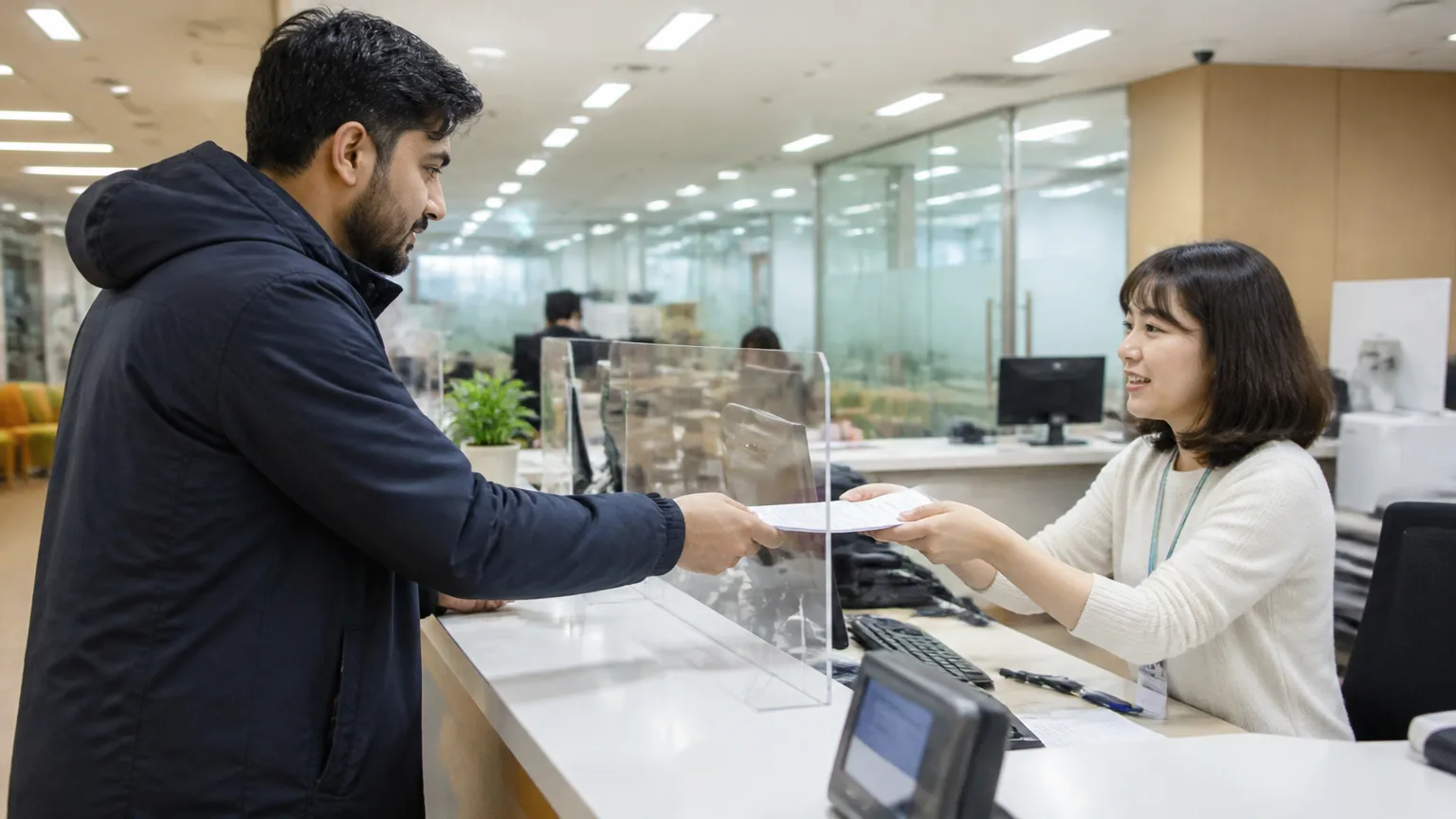
Scams Start with Fake Agents and Illegal Subletting
Scams foreigners should watch for include fake agents, middlemen who run off with a deposit, and unauthorized subletting (renting a home out again without the owner's permission). The Enkostay guide also lists a jeonse deposit being seized over the landlord's debts as a common risk.
The Enkostay guide recommends these precautions:
- Check that the name on the deposit account matches the landlord's.
- Do not rush into a contract if someone pressures you to "pay today."
- Be suspicious of a room that is far cheaper than the market price.
- Use a standard contract, and get a confirmed date after signing.
The SeoulStart guide says foreigners with an alien registration card can also sign up for HUG's basic deposit return guarantee, but the guarantee fee subsidy applies only to Korean citizens. The same guide says HF and SGI also offer guarantee products.
If you do not get your deposit back, you can apply for a tenancy registration order (임차권등기명령). The SeoulStart guide says you must keep your address and move-in record unchanged while the dispute continues.
Start with a Short-Term Rental When You Arrive
Right after you arrive, you can start with a short-term rental that has a minimum stay of around 30 days. The short-term rental platform Snug lists a 30-day minimum for most homes and says some start at 7 days.
LiveAnywhere says its short-term rentals use an electronic contract, charge no agent fee, and do not require an alien registration card. In the same description, the minimum stay is one week, the refundable deposit is about ₩300,000, and utilities are included.
HomesInKorea lists 30-day prices of ₩550,000 to ₩900,000 or more for a share house, ₩1,000,000 to ₩1,500,000 or more for a studio, and ₩1,400,000 to ₩2,670,000 or more for an officetel.
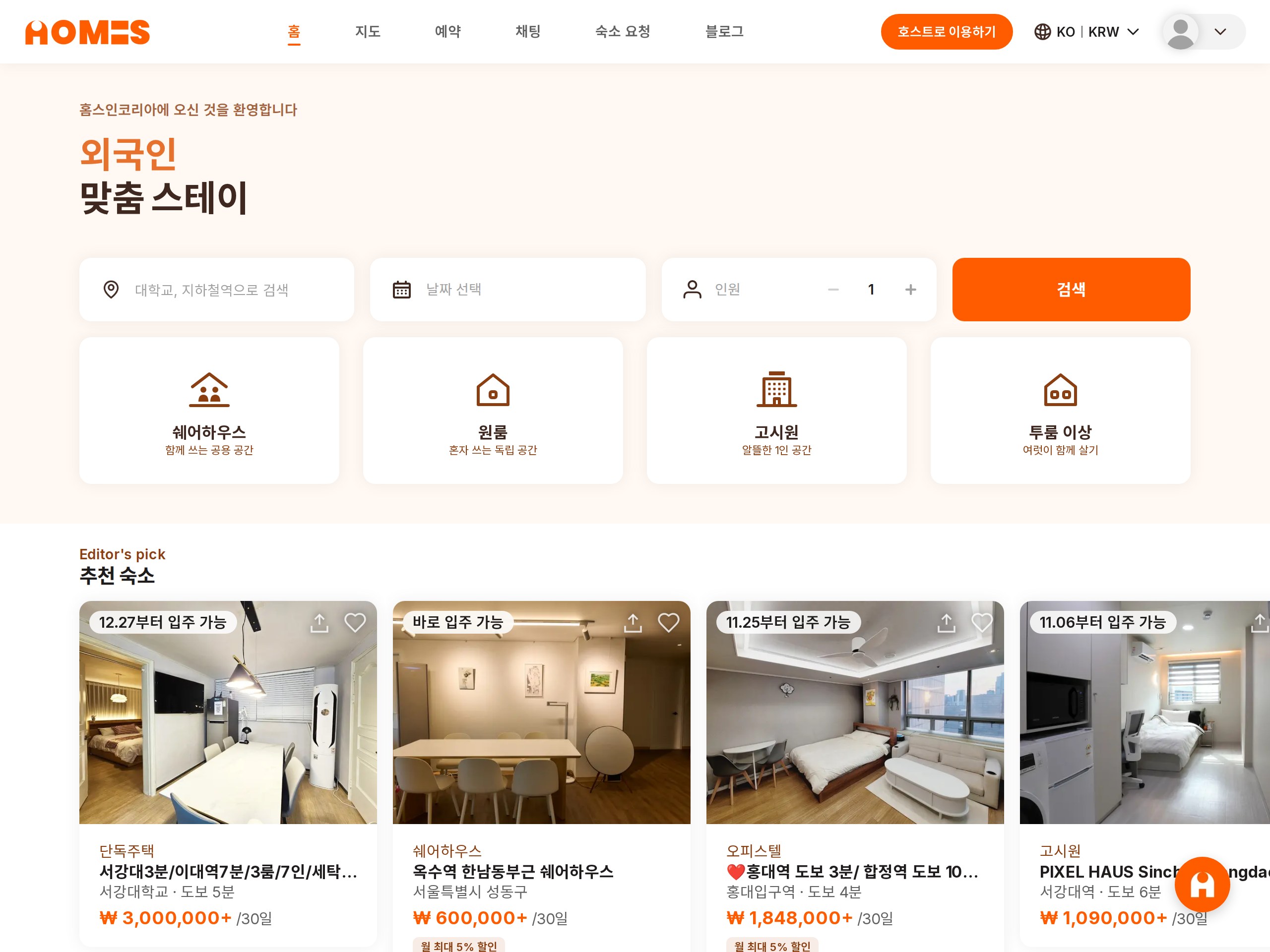
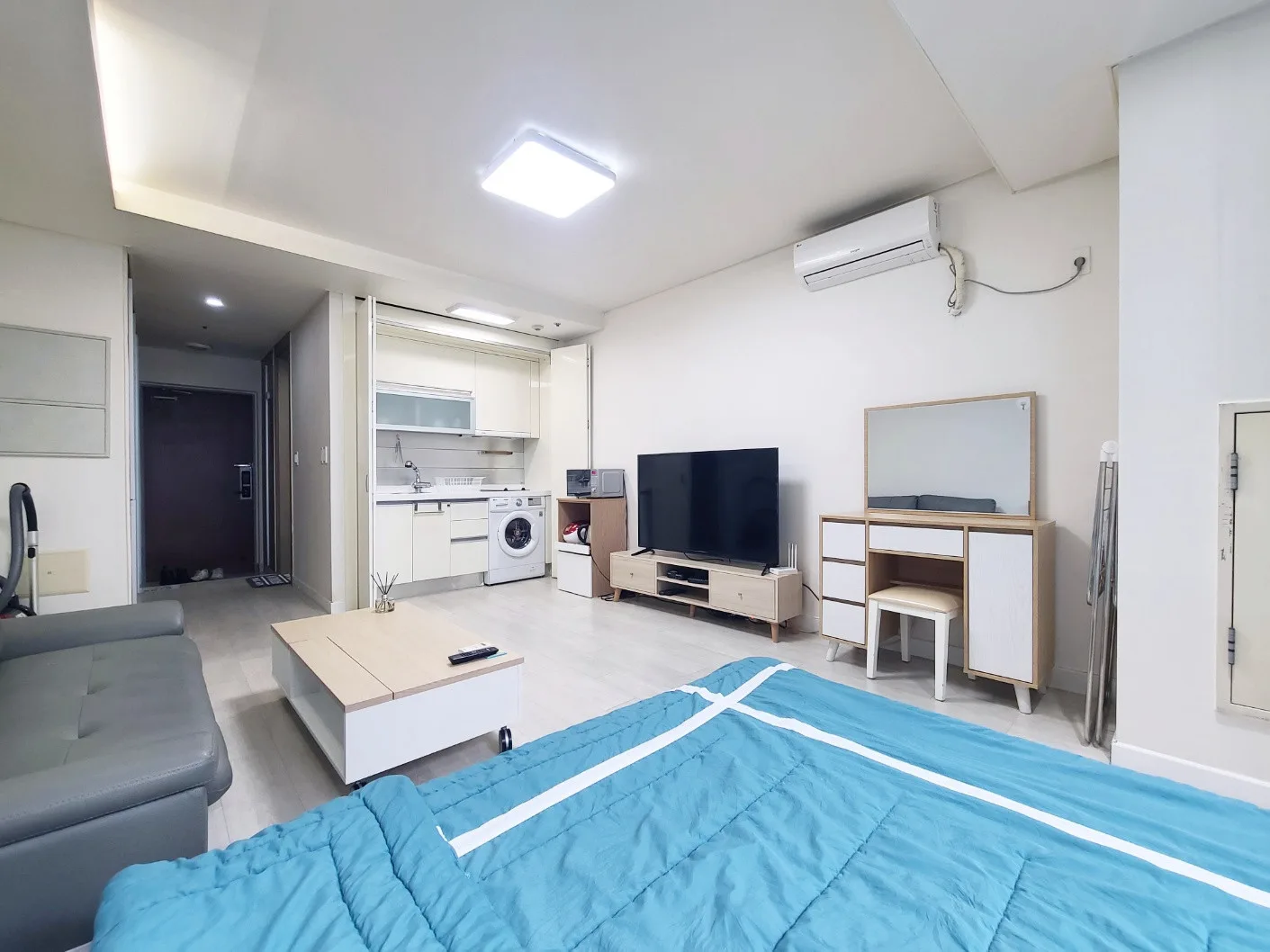
Short-term rentals are growing fast. The platform LiveAnywhere said that from January to September, transaction value from foreigners was about 10 times the same period a year earlier. It also said foreigners' monthly share rose from 2.5% in January 2025 to 29% in September.
In short, choose a housing type based on how long you will stay and your budget. Check your documents before signing. Then report your move within 15 days, and report the lease within 30 days if it qualifies. Once both reports are filed on time, the paperwork after move-in is done.