Foreign tourists in Korea can get a refund on value-added tax (VAT) when they shop at stores with a "Tax Free" sign. For expensive electronics such as smartphones, laptops, and cameras, the amount you get back and when you get it depend on the refund method and the customs steps you follow when you leave. Tax Free is a system that lets foreign tourists claim back the tax on goods they buy during a trip. A Global Tax Free notice posted at a store entrance in Seoul's Myeongdong shopping district. Photo: Tenant News Refunds are about 4–8% of the purchase price The Tax Free refund applies to foreign tourists who spend at least ₩15,000 per receipt. The amount you actually get back is about 4–8% of the purchase price. The taxes refunded are VAT and the individual consumption tax. The VAT included in the price is about 9%, and you receive that amount minus the refund agency's fee. You qualify if you are a non-resident foreigner staying in Korea for less th...
If you stay in Korea for more than 90 days, you must apply for an Alien Registration Card (ARC) within 90 days of your arrival date. The ARC is the card you receive once you complete foreigner registration, and you apply at your local immigration office (출입국·외국인관서). The process has three steps: prepare your documents, book a visit on HiKorea, and go to your local immigration office. Each step is explained below.
Who Needs an ARC: Stays Over 90 Days
You need an ARC if you stay in Korea for more than 90 days. Workers and international students are the most common examples. The registration deadline is 90 days from your arrival date. Holders of A-1, A-2, and A-3 visas are excluded from registration. Korean embassies do not issue the card, so you apply after you arrive in Korea.
What the ARC Is: Your ID Card in Korea
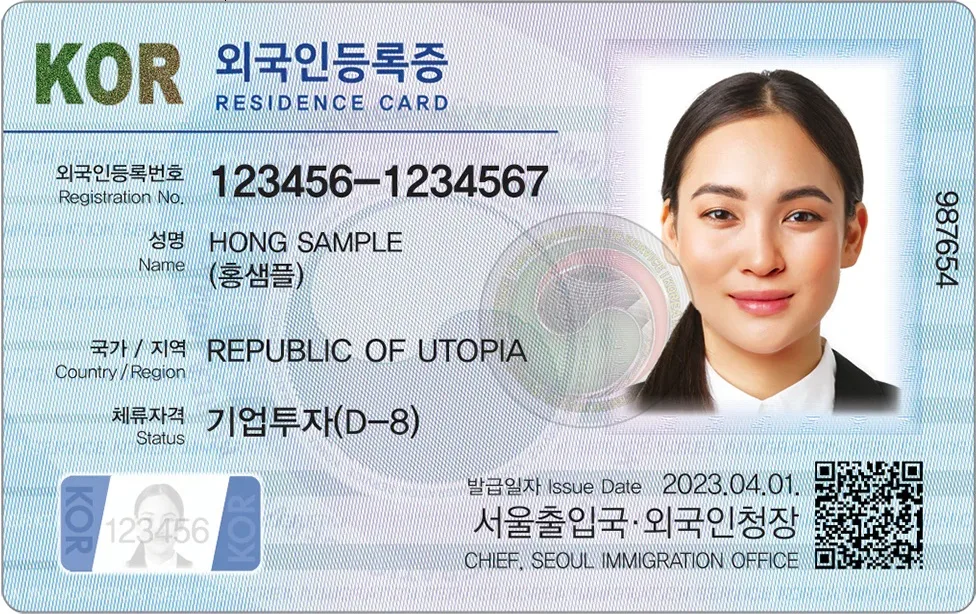
The ARC works as an ID card in Korea. If you stay 90 days or longer, you use it to prove who you are. Long-term residents often need to show ID while living in Korea, so you need something to carry in place of your passport.
Even after you receive the card, you can be fined for breaking the rules. This applies if you do not report a change of address within 14 days, or if you do not return the card when you leave Korea for good.
The card also has practical benefits. You can check that your card is valid on HiKorea. If you leave Korea for a short time, such as a leave of absence from school of less than one year, you can re-enter without a re-entry permit while your card is still valid.
Step 1: Prepare Five Application Documents
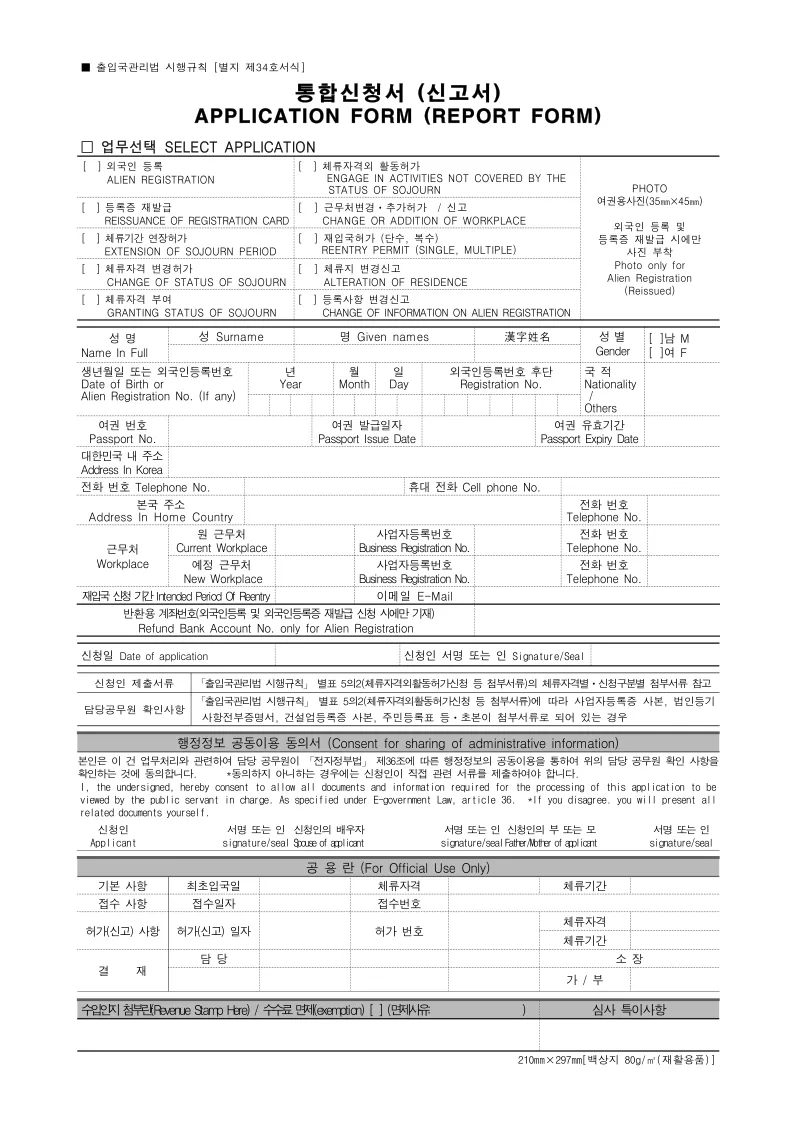
The basic documents for foreigner registration are an application form, your passport, a photo, proof of your address in Korea, and a certificate of enrollment. Gather them before you book a visit, so you do not make a wasted trip on the day of your appointment.
- Application form: Fill out the foreigner registration application form yourself.
- Passport: Prepare a copy of the photo page as well.
- Photo: A color photo taken within the last 6 months.
- Proof of address: A lease agreement, a dormitory confirmation, or another document showing where you live.
- Certificate of enrollment: Submit this if you are a student.
The document list is available from the Korea Immigration Contact Center at 1345 and on HiKorea (www.hikorea.go.kr). The documents you need may vary by visa status, so you can call 1345 to hear the list for your status.
Step 2: Book a Visit on HiKorea
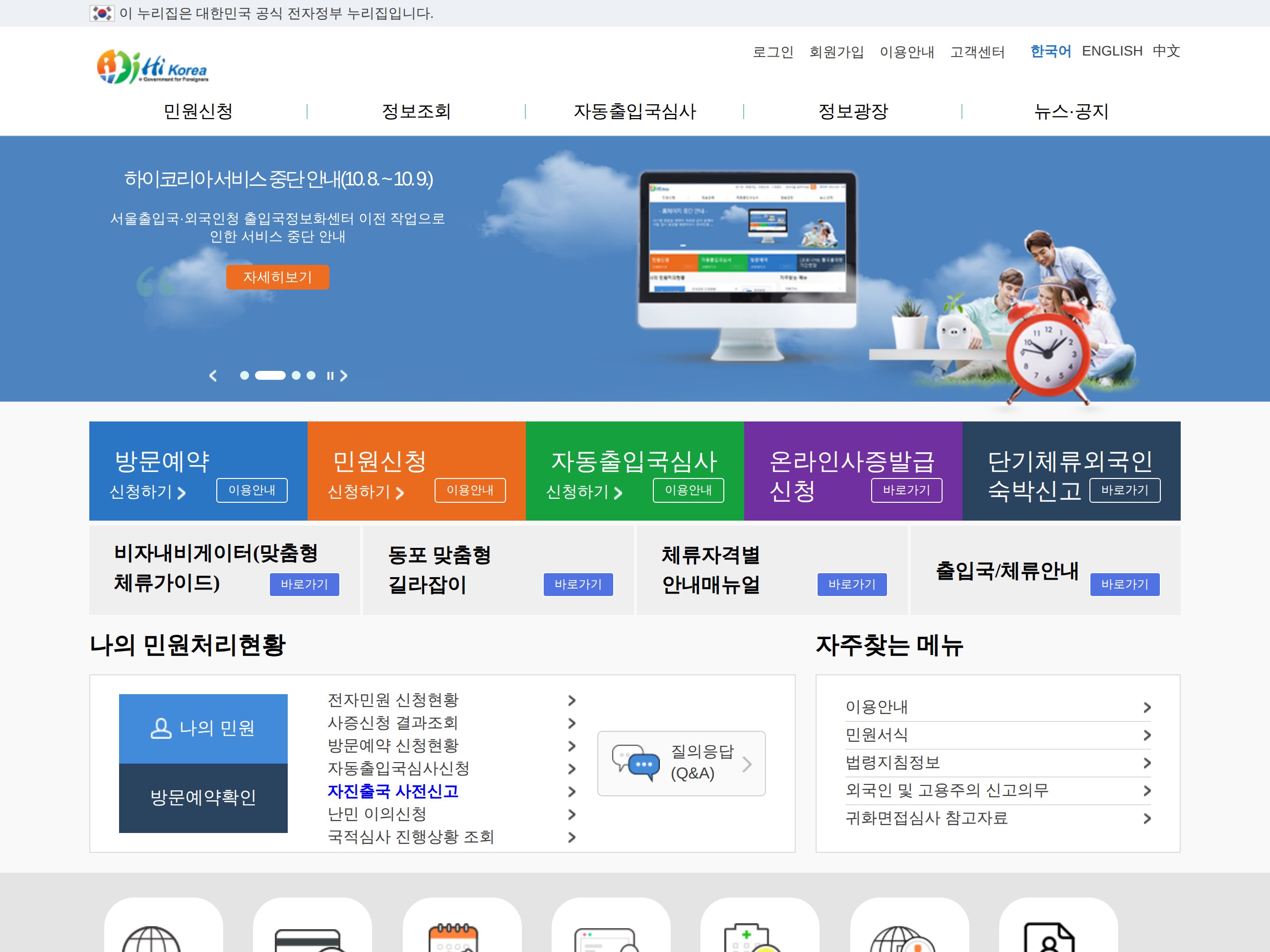
Book your immigration office visit in advance through the visit reservation menu on HiKorea. The HiKorea main screen has these menus: visit reservation, user guide, application status, and confirmation. Choose the office and date under visit reservation. After booking, you can view your reservation under application status or confirmation.
Appointment slots are hard to find at the start of a semester. Cancellations sometimes open up, but do not count on them. It is safer to book right after you arrive, based on the 90-day deadline. On HiKorea you can also check that an ARC is valid and report a lost card.
Step 3: Visit Your Local Office and Receive the Card
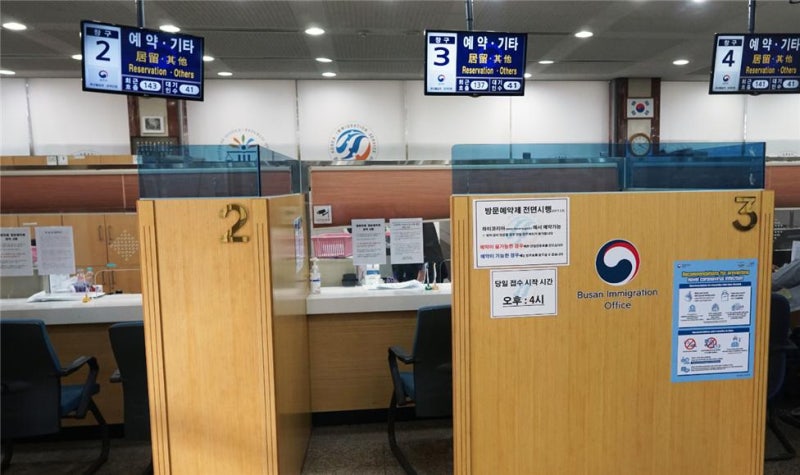
On your appointment date, bring the documents from Step 1 to your local immigration office and apply for foreigner registration. You must go in person, because you submit your documents at the counter and register your fingerprints.
After you apply, you wait for the card to be produced. This takes about 7 business days at the shortest and 6 to 8 weeks at the longest. Because the processing time varies this much, plan your stay and any international travel with up to 8 weeks in mind. How you receive the card is decided when you apply at the office.

Replacing a Lost ARC: Apply in Person
If you lose your ARC, report it within 14 days of the loss. You must apply for the replacement in person. You cannot authorize someone else to apply for you.
Bring these three items for a replacement:
- Passport
- Photo
- Application form
After Registration: Report Within 14 Days, Return When You Leave
If your address changes after you receive your ARC, you must report it within 14 days of moving. You can report online through HiKorea or in person. If you do not report it, you can be fined.
When you leave Korea for good, you must return your card at the airport or port you depart from on your final departure. If you do not return it, you can be fined.
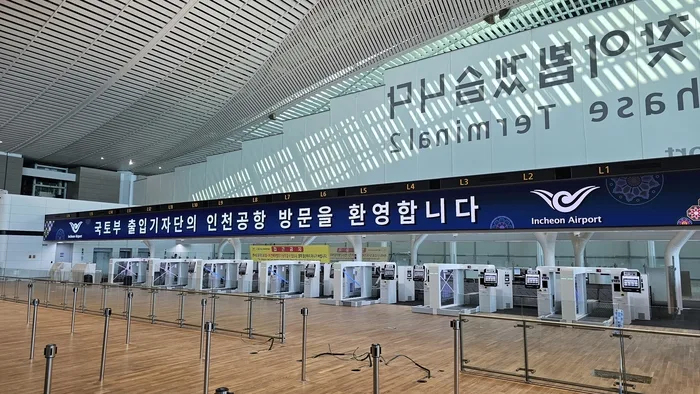
You must complete foreigner registration within 90 days of your arrival date. The order is: prepare your documents, book a visit on HiKorea, and go to your local immigration office. If you gather what you need for each step in advance and follow the order, you can finish your first administrative task in Korea without trouble.