Foreign tourists in Korea can get a refund on value-added tax (VAT) when they shop at stores with a "Tax Free" sign. For expensive electronics such as smartphones, laptops, and cameras, the amount you get back and when you get it depend on the refund method and the customs steps you follow when you leave. Tax Free is a system that lets foreign tourists claim back the tax on goods they buy during a trip. A Global Tax Free notice posted at a store entrance in Seoul's Myeongdong shopping district. Photo: Tenant News Refunds are about 4–8% of the purchase price The Tax Free refund applies to foreign tourists who spend at least ₩15,000 per receipt. The amount you actually get back is about 4–8% of the purchase price. The taxes refunded are VAT and the individual consumption tax. The VAT included in the price is about 9%, and you receive that amount minus the refund agency's fee. You qualify if you are a non-resident foreigner staying in Korea for less th...
Korean titles depend on the speaker's gender and the other person's age. Even when you address an older person, the word differs depending on whether a woman or a man is speaking. The suffixes ssi and nim, which go after a name, also differ in how respectful they are. This guide covers oppa, unni, hyung, noona, sunbae, ssi, and nim, then verb honorifics, speech levels, and the basic title to use with someone you have just met.
Oppa, Unni, Hyung, Noona: It Depends on Gender
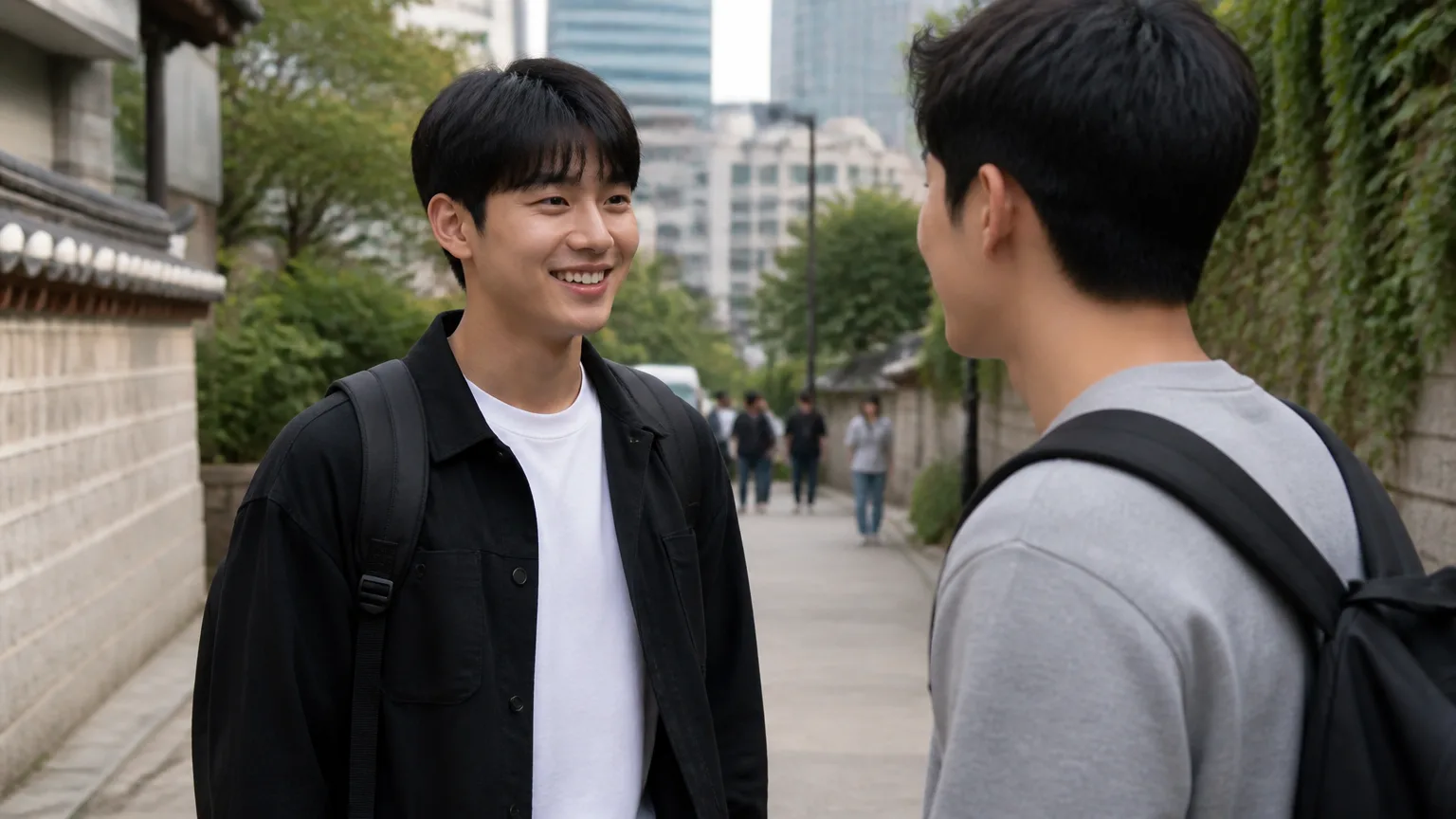
Oppa (오빠), unni (언니), hyung (형), and noona (누나) are chosen by the speaker's gender and the other person's age. They come from family terms, and each one covers a different pairing.
- Oppa (오빠): a woman addressing an older man
- Unni (언니): a woman addressing an older woman
- Hyung (형): a man addressing an older man
- Noona (누나): a man addressing an older woman
For the same older man, a woman says oppa and a man says hyung. For the same older woman, a woman says unni and a man says noona.

Also Used for Friends and Close Seniors
These four words are not only for blood relatives. The same rules apply to older friends and close seniors. If a younger woman calls an older male friend oppa, a younger man calls that same person hyung.
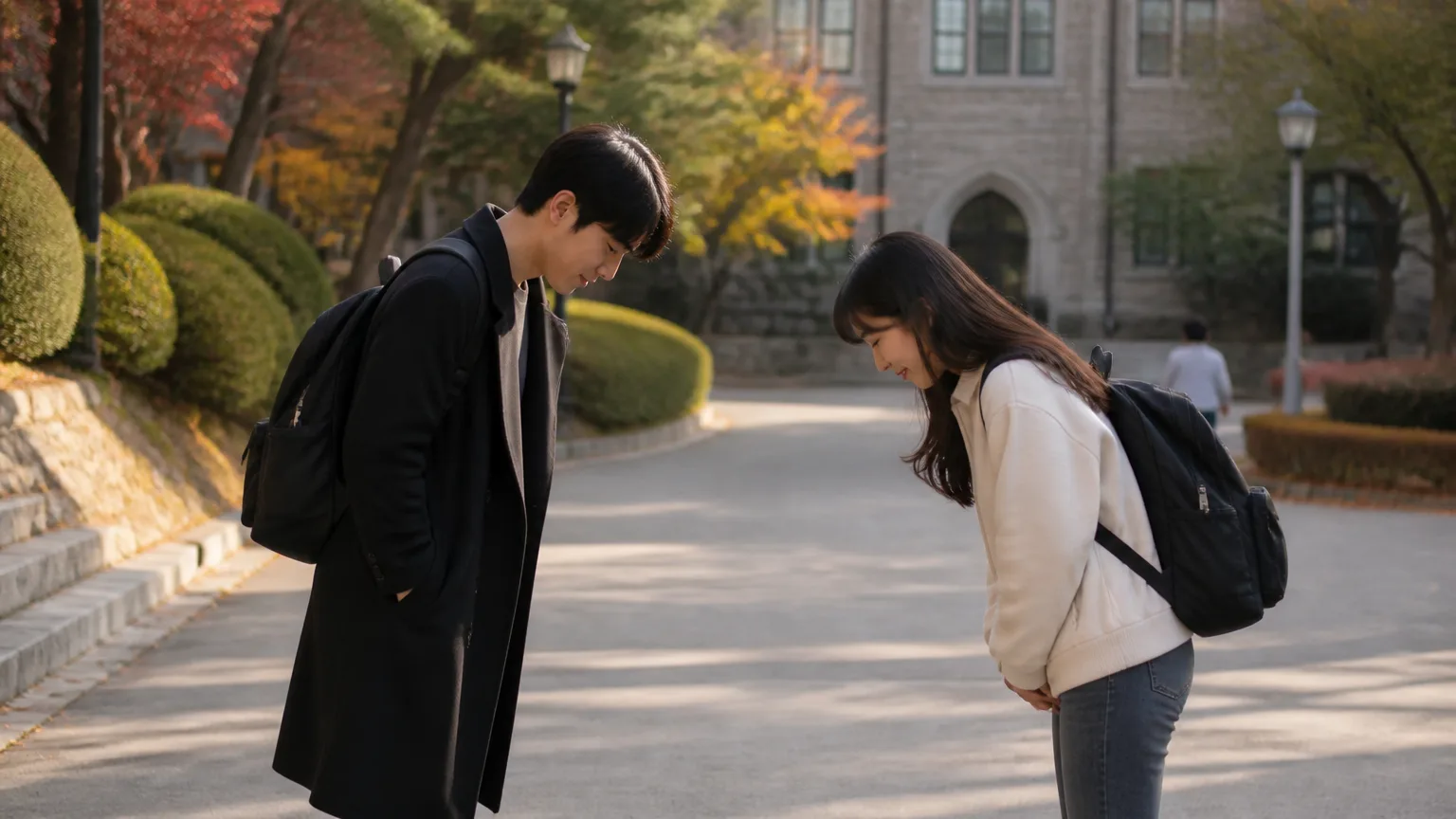
Sunbae (선배) is the word for an older student at school or university. It is used regardless of gender, so you do not need to choose it by the speaker's gender the way you do with oppa and hyung.
Nim for Names and Titles, Ssi for Names Only
Ssi (씨) is a neutral honorific that goes after a name. Nim (님) is more formal and more respectful than ssi. Ssi is the equivalent of Mr., Miss, or Mrs. in English and fits in a work setting. Nim is also used at work.
They also attach to different things. Ssi goes only after a name, while nim goes after both names and job titles. Seonsaengnim (선생님, teacher) and gyosunim (교수님, professor) are examples of nim added to a title. After a name, both "Kim Min-su ssi" and "Kim Min-su nim" are possible. Nim is more common these days, and you choose it when you want to show more respect.

Verb Honorifics: Deusida, Gyesida, Jumusida
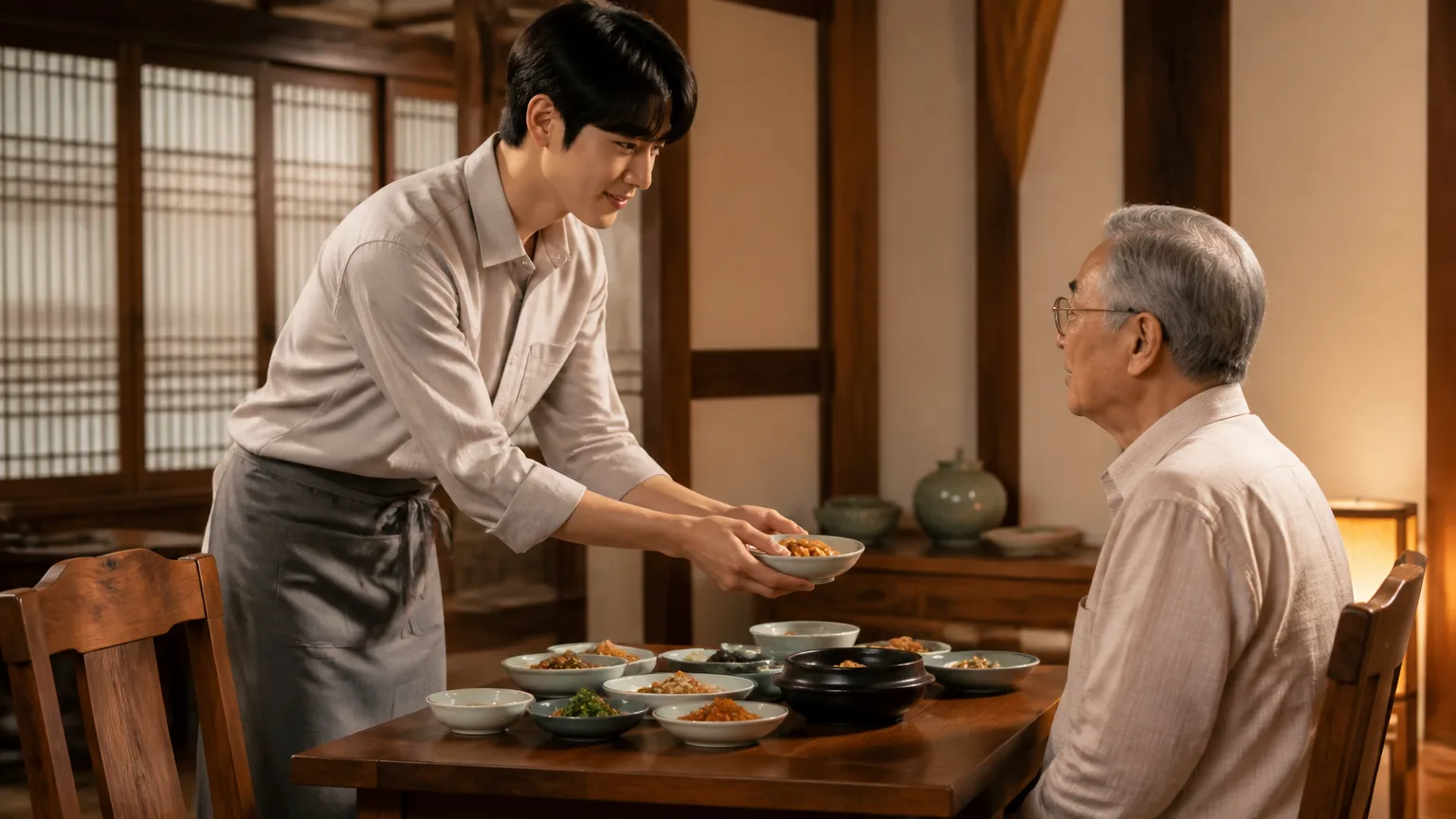
Korean builds respect into verbs as well as titles. When you talk about the actions of someone you should honor, you add -(eu)si- to the verb. The verb gada (가다, to go) becomes gasida (가시다).
Some verbs do not take -(eu)si- at all. They change into a completely different honorific word.
- meokda (먹다, to eat) → deusida (드시다)
- itda (있다, to be/stay) → gyesida (계시다)
- jada (자다, to sleep) → jumusida (주무시다)
Three Speech Levels: Hapshoche, Haeyoche, Haeche
Three speech levels are common in everyday Korean: hapshoche (합쇼체), haeyoche (해요체), and haeche (해체). You choose the level based on your relationship with the other person.
- Hapshoche (-bnida/-bnikka, -ㅂ니다/-ㅂ니까): used with strangers, in business meetings, by broadcast announcers, and with customers
- Haeyoche (-yo/-seyo, -요/-세요): the most widely used level, for strangers and colleagues. It is also the level taught to foreign learners
- Haeche (-hae/-ya, -해/-야): used with close friends, family, and children
A conversation with a stranger usually starts in hapshoche and gradually relaxes into haeyoche. Korean hierarchy is strict enough that you are expected to use polite speech even with someone only one year older.
First Meeting: Name + Nim, and -yo at the End
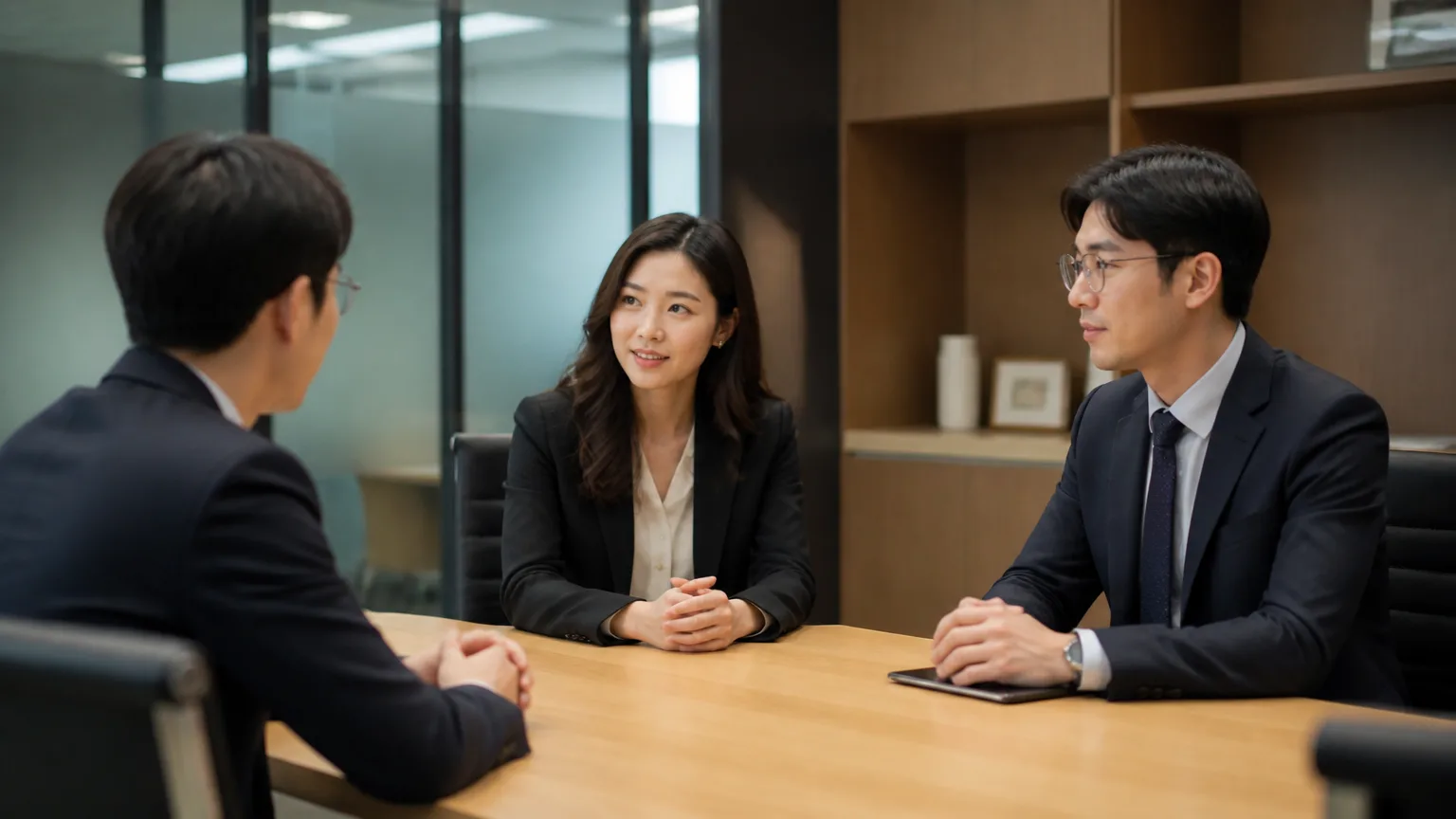
With anyone you meet for the first time, add nim after their name and end your sentences with -yo (-요). Nim is more respectful than ssi, and haeyoche is the level used widely with strangers and colleagues.
Do not use banmal (반말, casual speech) until the other person allows it. Moving on to oppa, unni, hyung, or noona also comes only after the other person tells you to speak comfortably. Avoid stacking honorifics on a title as well. Ajeossissi (아저씨씨), which adds ssi to ajeossi (아저씨, middle-aged man), and harabeojinim (할아버지님), which adds nim to harabeoji (할아버지, grandfather), are incorrect. Just say ajeossi and harabeoji.
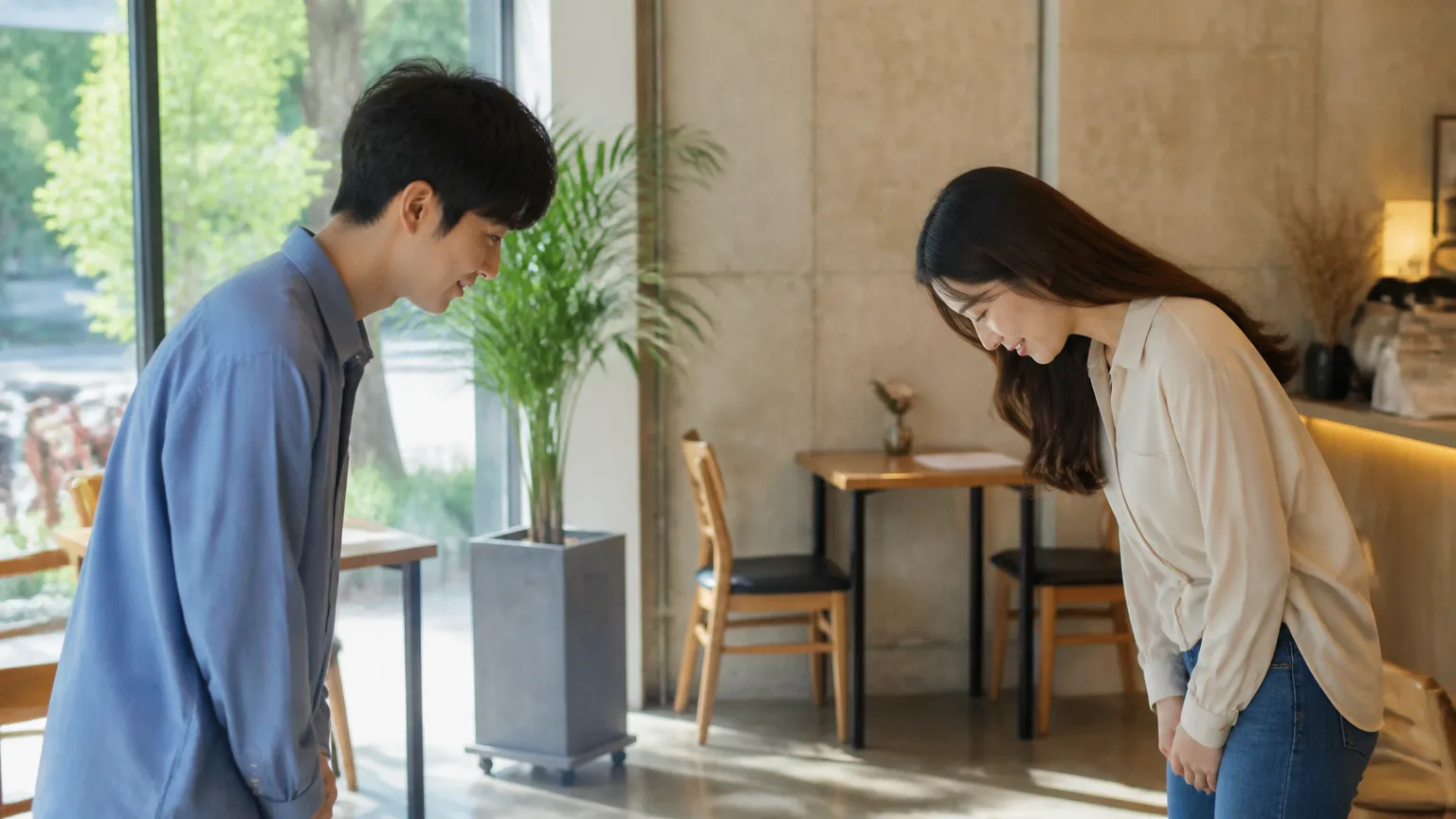
Oppa, unni, hyung, and noona are chosen by the speaker's gender and the other person's age, and the honorifics after a name split into ssi and nim. The safest way to start learning Korean titles is to follow this order: add nim after the name and speak in haeyoche at first, then move to a more casual title once the other person allows it.