
How to Get a Tax Refund on Electronics in Korea (2026 Guide)

Foreign tourists in Korea can get a refund on value-added tax (VAT) when they shop at stores with a "Tax Free" sign. For expensive electronics such as smartphones, laptops, and cameras, the amount you get back and when you get it depend on the refund method and the customs steps you follow when you leave. Tax Free is a system that lets foreign tourists claim back the tax on goods they buy during a trip.   A Global Tax Free notice posted at a store entrance in Seoul's Myeongdong shopping district. Photo: Tenant News   Refunds are about 4–8% of the purchase price The Tax Free refund applies to foreign tourists who spend at least ₩15,000 per receipt. The amount you actually get back is about 4–8% of the purchase price. The taxes refunded are VAT and the individual consumption tax. The VAT included in the price is about 9%, and you receive that amount minus the refund agency's fee.   You qualify if you are a non-resident foreigner staying in Korea for less th...

Korean Wedding Guest Etiquette: Dress, Envelope, and Gift Money

At a Korean wedding, avoid white, hand a white envelope with cash to the reception desk, and take your meal ticket to the buffet. A guest (하객, hakgaek) is anyone invited to attend the ceremony.
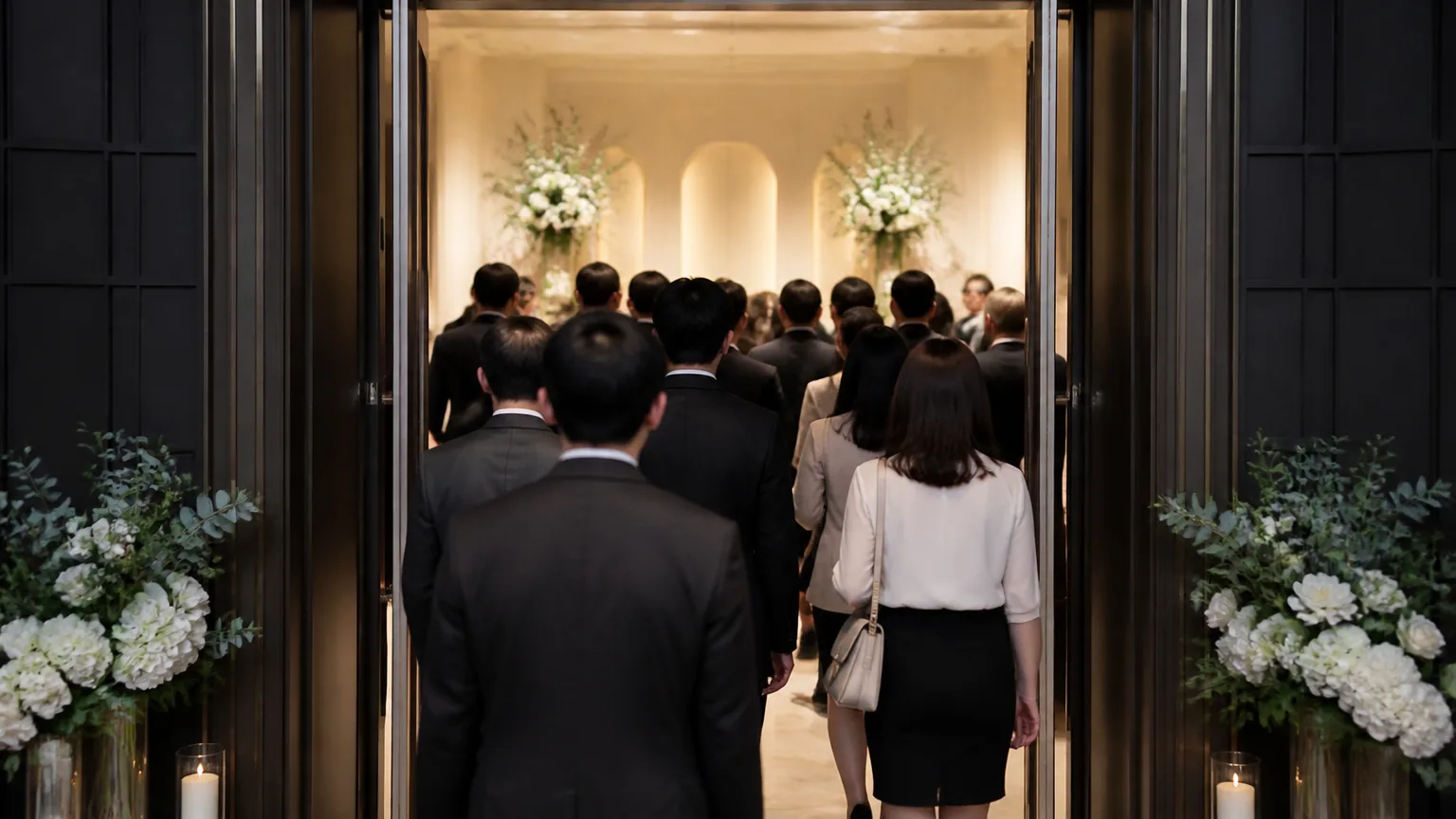
 

Guests arriving at a Korean wedding hall


What to Wear: Avoid White

Do not wear white, ivory, or cream. Choose a neat suit or dress instead. White is considered the bride's color, and wearing it to an event where she should stand out breaks etiquette.


The dress code is semi-formal. For men, a navy, charcoal, or black suit with a simple tie is a safe choice, and a suit without a tie is also fine. For women, a dress or blouse in navy, burgundy, or a pastel shade works well.


Black is accepted as a formal color, but some people advise women against it. If you are a foreign woman attending for the first time, choose navy or burgundy instead of black.
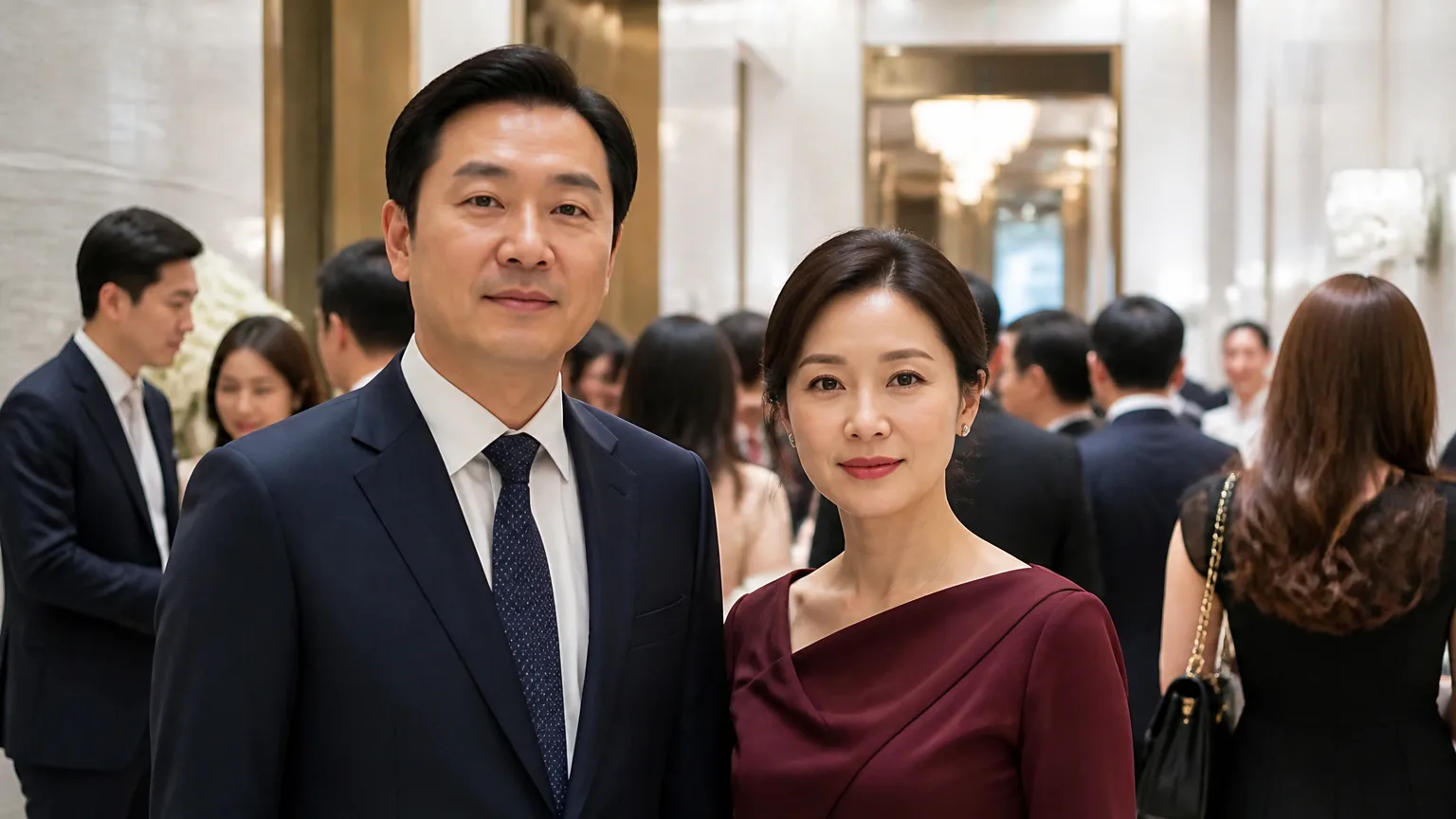
 

Wedding guests in neat navy and burgundy formal outfits at a Korean wedding


Gift Money: ₩50,000 to ₩200,000 by Relationship

Gift money (축의금, chugigeum) is cash you give to congratulate the couple. The closer you are to the bride or groom, the more you give. The amount is a social custom, not a legal rule.


  • Distant acquaintance: ₩30,000–₩50,000
  • Coworker or casual friend: ₩50,000
  • Close friend: ₩100,000
  • Boss: ₩100,000–₩200,000
  • Family or very close relationship: ₩100,000–₩200,000 or more


The range for family and very close relationships is wide, so choose within it based on how close you are.
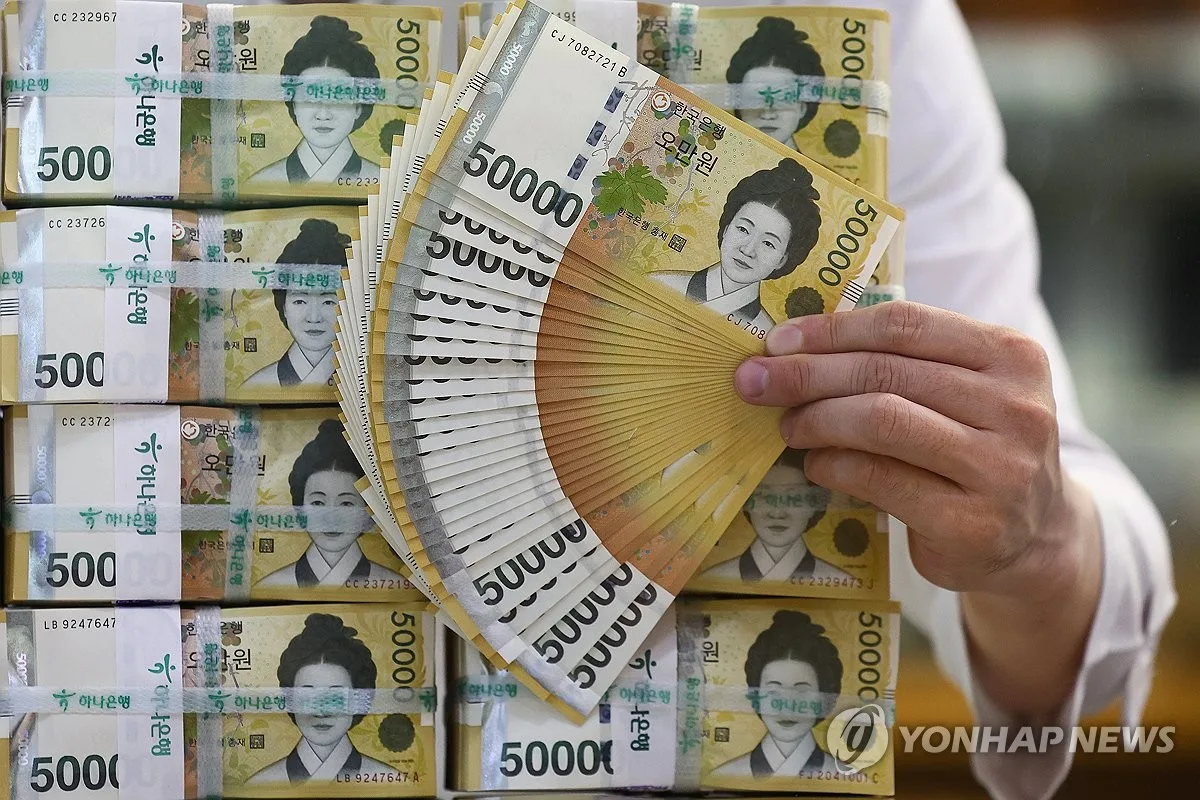
 

A South Korean 50,000 won banknote. Source: Wikimedia Commons


Write Your Name on the Back of a White Envelope

Put the money in a white envelope and write your name on the back. Use clean, new bills with no creases. For ₩100,000, two ₩50,000 notes is the standard.


Do not use a black envelope. Those are for funerals. At weddings, cash is the default rather than a physical gift. Give a physical gift only separately, to a close friend.
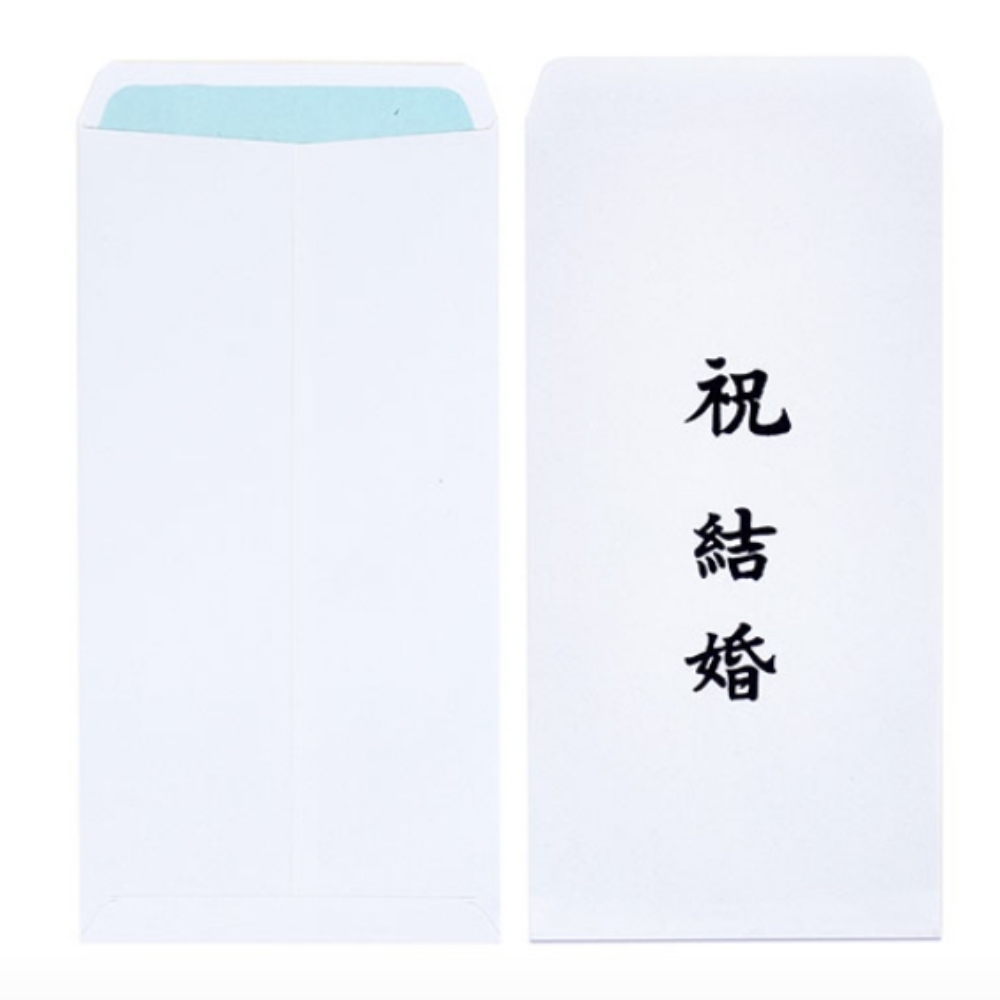
 

A white envelope printed with 祝結婚 ("congratulations on marriage"), used for wedding gift money. Photo: Naver Shopping


Arrive 20–30 Minutes Early and Go to the Reception Desk

Arrive 20–30 minutes before the ceremony starts and go to the reception desk first. This is where guests hand in their gift money envelopes. There are separate desks for the groom's side and the bride's side. Use the one for the person who invited you.


When you hand in the envelope, you receive a meal ticket (식권, sikgwon). It is your pass for the buffet, so keep it in your wallet.
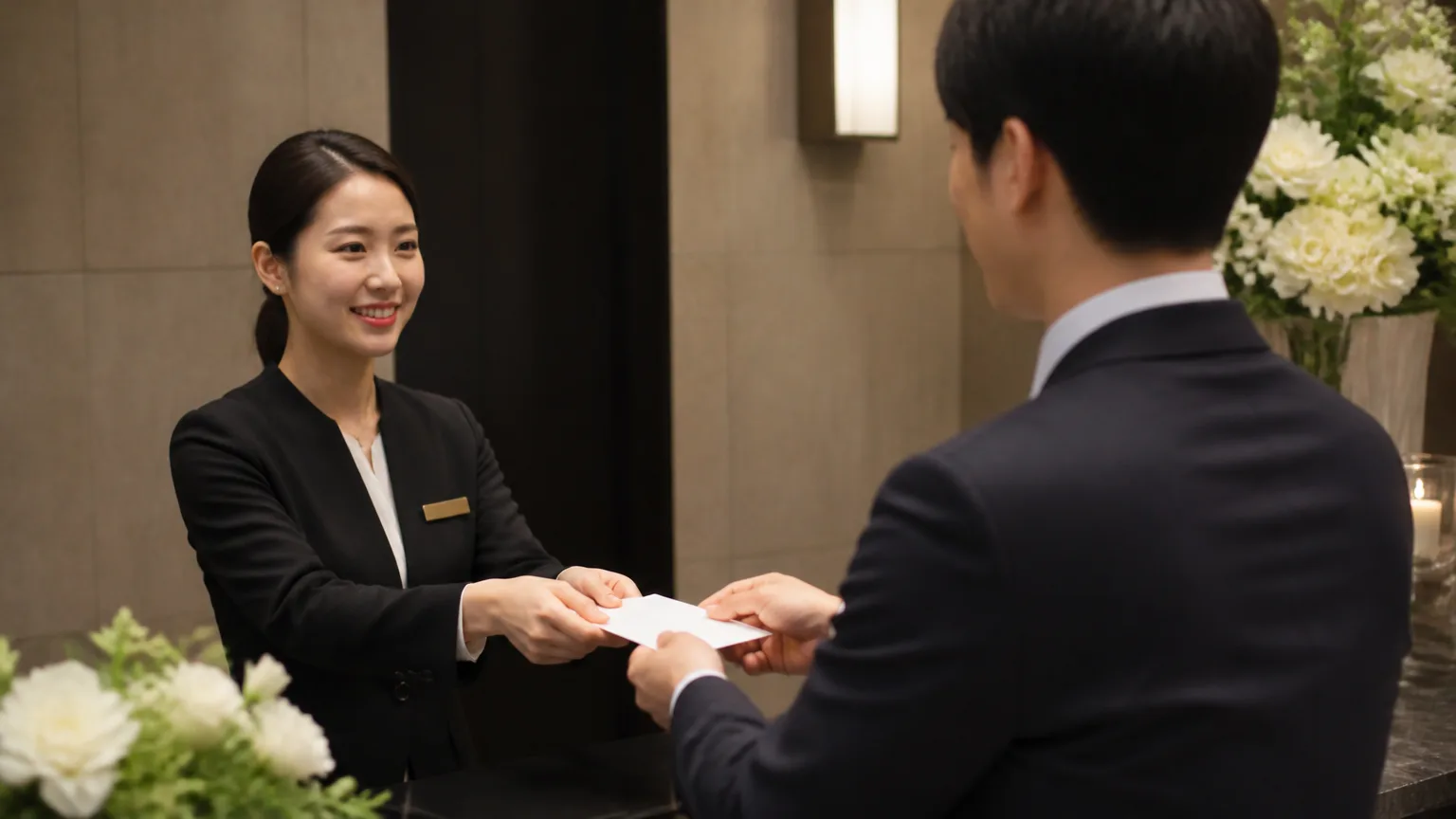
 

Guest handing a gift money envelope at a wedding reception desk


The Ceremony Lasts 20–30 Minutes, Followed by a Buffet

The ceremony itself lasts about 20–30 minutes, and the meal is a buffet. The buffet opens at the same time as the ceremony, so you can eat before, during, or after it. The buffet is a place to eat, and also a place for guests to talk and offer congratulations.


A group photo session follows right after the ceremony. If you want to join the photos, stay about 15 minutes longer. A full visit takes about 45 minutes to 1 hour. In the bride's waiting room, you can take a photo with the bride.
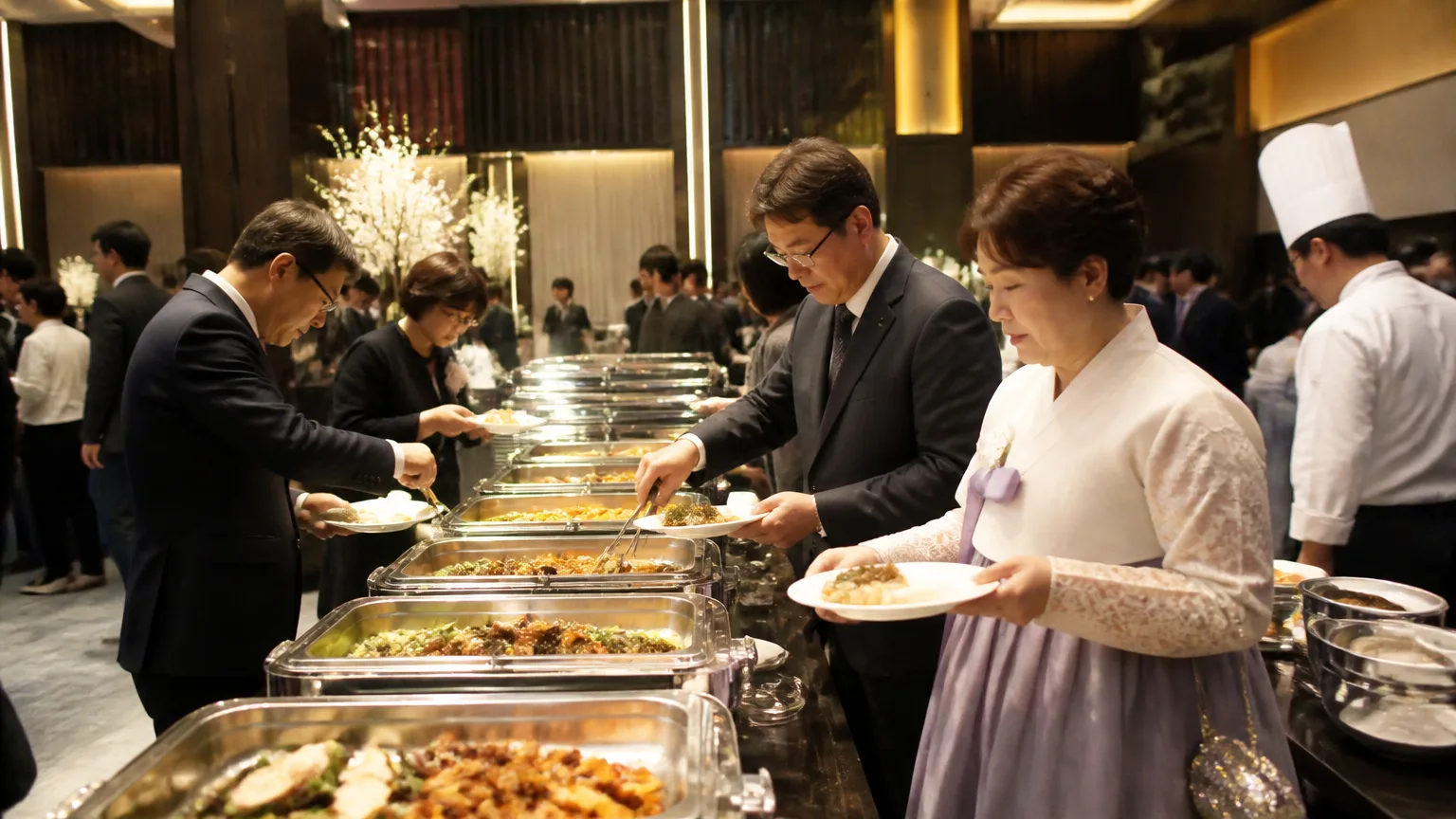
 

Guests eating at a wedding hall buffet


If You Can't Attend, Send ₩30,000–₩50,000

Guests who cannot attend usually send ₩30,000–₩50,000 by bank transfer. Many people use KakaoPay for the transfer.
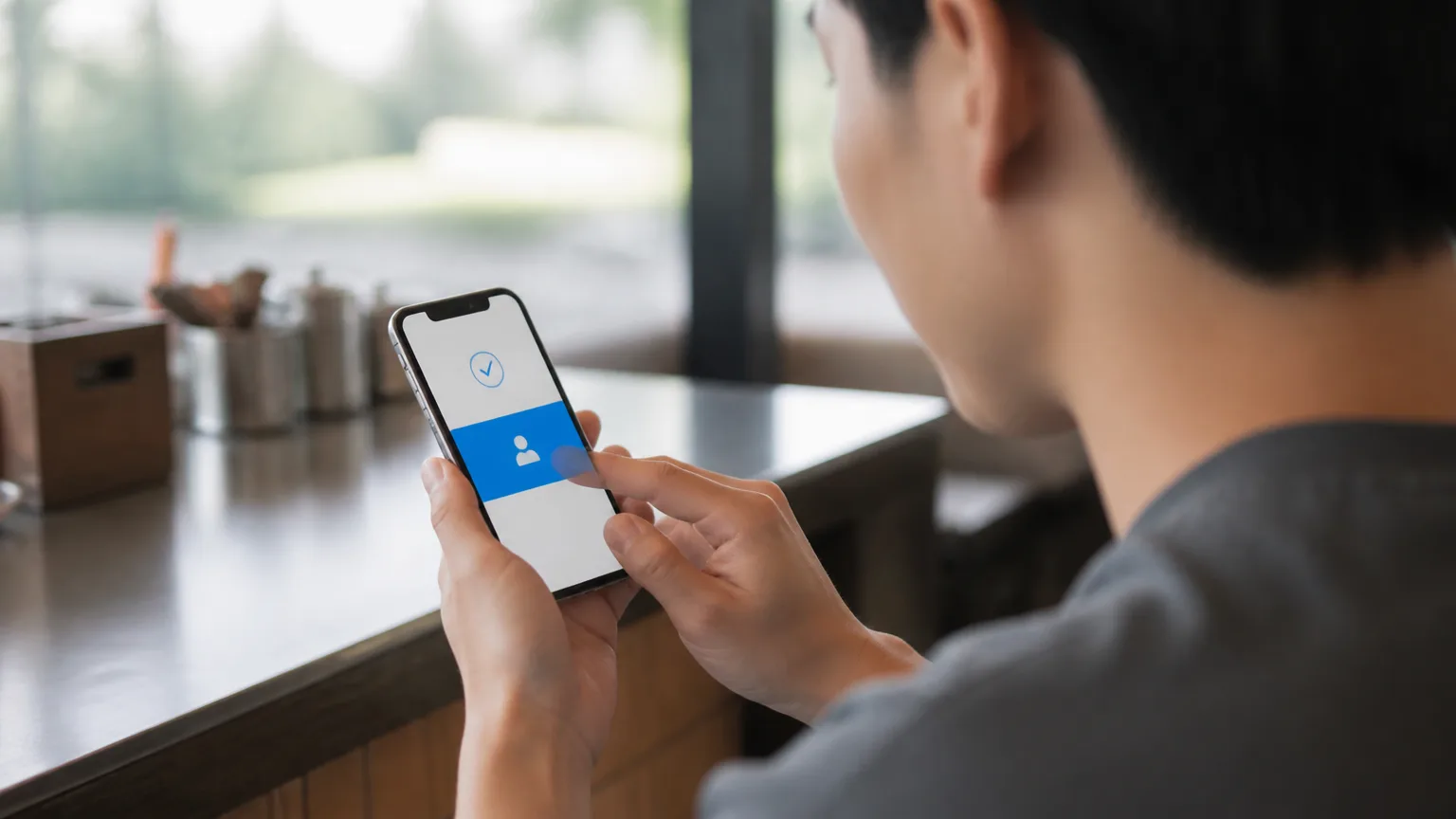
 

Sending wedding gift money by smartphone bank transfer


In short, Korean wedding guest etiquette comes down to three things: neat clothes without white, a white envelope with an amount that fits your relationship, and arriving at the reception desk 20–30 minutes before the ceremony. With these three in place, even a foreign guest at their first Korean wedding can offer congratulations without feeling out of place.


References

Popular posts from this blog

Korean Etiquette for Tourists: Greetings, Dining, Subway and Palace Rules

Korean etiquette for tourists comes down to five habits: bow to greet, take off your shoes, use two hands, let elders go first, and keep your voice low. Knowing these five helps you avoid mistakes in most places, including restaurants, the subway, and royal palaces. This guide covers homes, restaurants, public transit, palaces, and Bukchon Hanok Village, in that order.   Greet with a bow, and say the family name first The standard greeting in Korea is a bow, not a handshake. Bend from the waist, keep your legs straight, and keep your hands at your sides. The older the other person is, or the higher their position, the deeper you bow. Men sometimes shake hands too. When they do, they support the right hand with the left.   In Korea, the family name comes first when you say a name. Until you are invited to do otherwise, do not call someone by their given name alone. Use their family name plus their title.   Visit Seoul's Korean etiquette page from the Seoul Tourism O...

Korean Food Spice Levels: Where to Start as a Beginner

Spice levels in Korean food vary widely by region and restaurant, even for the same dish. When a Korean person says a dish is "a little spicy," it is usually quite spicy even for Koreans. This guide covers how to gauge the heat, how to read a menu, what to say to order milder food, and which dishes make a gentle start.   Spicy tteokbokki in a bright red chili sauce, served with scallions and a boiled egg, with dried chili peppers and gochugaru beside the pot. Source: Naver Search   Daegu Tteokbokki Is Hot, Busan Tteokbokki Is Mild Tteokbokki (떡볶이) is a classic Korean street food made by stir-frying rice cakes in sauce. The heat level differs by region, even under the same name. The Korea Tourism Organization introduces tteokbokki as a "representative spicy Korean food." Some versions use gochujang (고추장), a red Korean chili paste, and are spicy. Other versions use soy sauce instead and are not spicy.   Daegu tteokbokki gets its heat from cheongya...

Korean Gift Giving Etiquette: How to Give, Receive, and Choose

In Korea, you give a gift with both hands, receive it with both hands, and don't open it on the spot. Add a few gifts to avoid, plus what to bring and how much to spend for holidays, housewarmings, and weddings, and you have most of Korean gift etiquette covered.   Handing over a gift box with both hands   Give with both hands, open it later In Korea, you hand over a gift with both hands and receive it with both hands. The rule is stricter with older people and in formal settings. It is looser among young people and close friends. The person receiving the gift looks at the wrapping, says thank you, sets the gift aside, and opens it later when alone. If the giver suggests opening it now, you can open it on the spot.   Politely declining once at first is good manners. A short refusal from the receiver may not be a real refusal, so the giver gently offers two or three more times. Where company rules ban gifts, don't offer one.   Gifts to avoid: the number 4 and...