Foreign tourists in Korea can get a refund on value-added tax (VAT) when they shop at stores with a "Tax Free" sign. For expensive electronics such as smartphones, laptops, and cameras, the amount you get back and when you get it depend on the refund method and the customs steps you follow when you leave. Tax Free is a system that lets foreign tourists claim back the tax on goods they buy during a trip. A Global Tax Free notice posted at a store entrance in Seoul's Myeongdong shopping district. Photo: Tenant News Refunds are about 4–8% of the purchase price The Tax Free refund applies to foreign tourists who spend at least ₩15,000 per receipt. The amount you actually get back is about 4–8% of the purchase price. The taxes refunded are VAT and the individual consumption tax. The VAT included in the price is about 9%, and you receive that amount minus the refund agency's fee. You qualify if you are a non-resident foreigner staying in Korea for less th...
Winter in Korea runs from December to February, and a cold wave can push temperatures down to around -15°C (5°F). If you want to see snow, the mountains of Gangwon Province and Mount Halla on Jeju Island are better choices than Seoul. Seoul usually gets less than 5 cm (2 inches) of snow, even when it does snow.
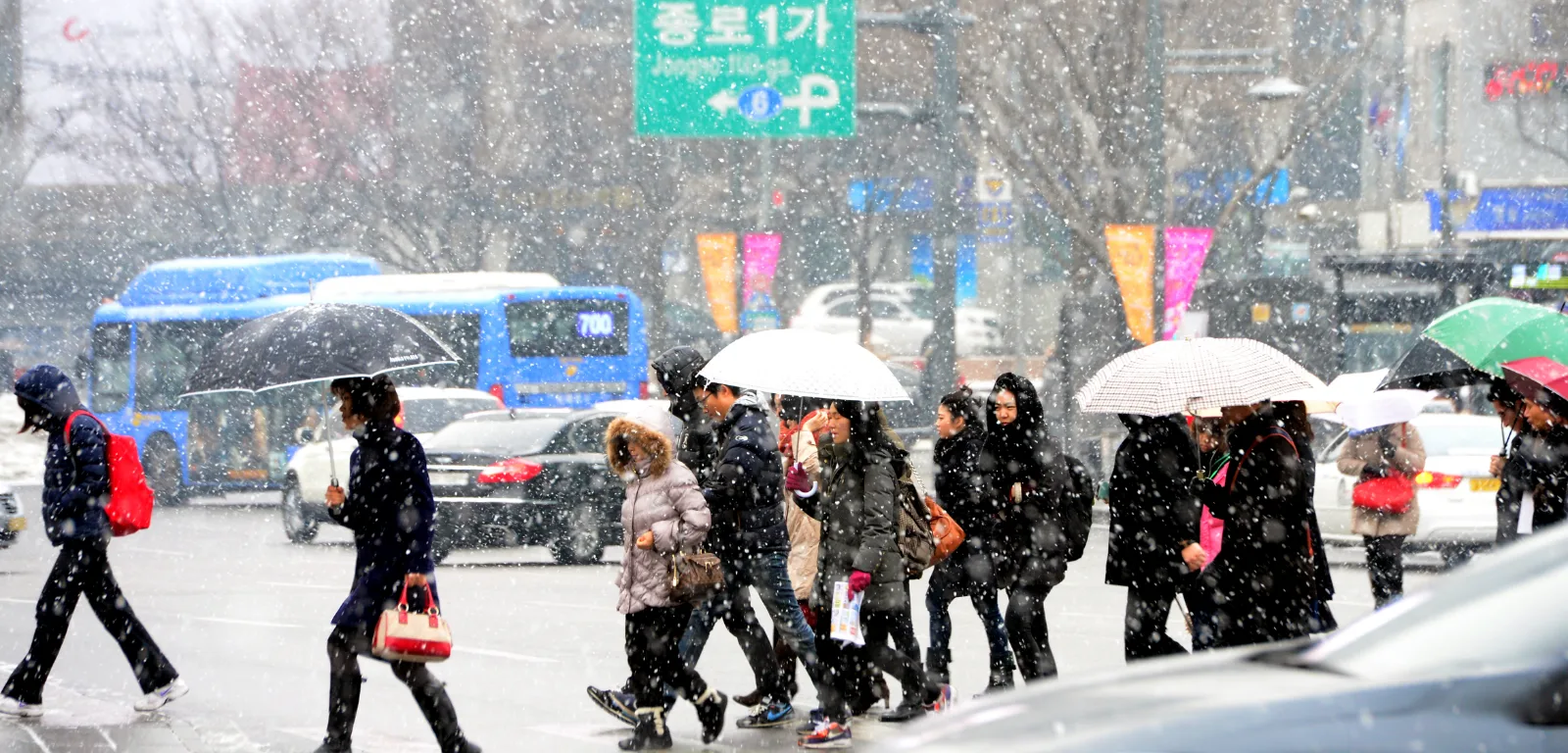
Average Winter Temperatures: -1.4°C to 2.8°C
Since 2012, Korea's average winter temperature has ranged from -1.4°C (29.5°F) to 2.8°C (37°F). That sounds manageable, but in December and January, days with lows around -15°C (5°F) are not unusual. If you pack light because of the average, a cold-wave day will catch you unprepared.
Winter weather also depends on where you go. If you are touring cities, plan for Seoul's cold waves. If you are hiking or skiing, plan for the cold and snow of the Gangwon mountains.
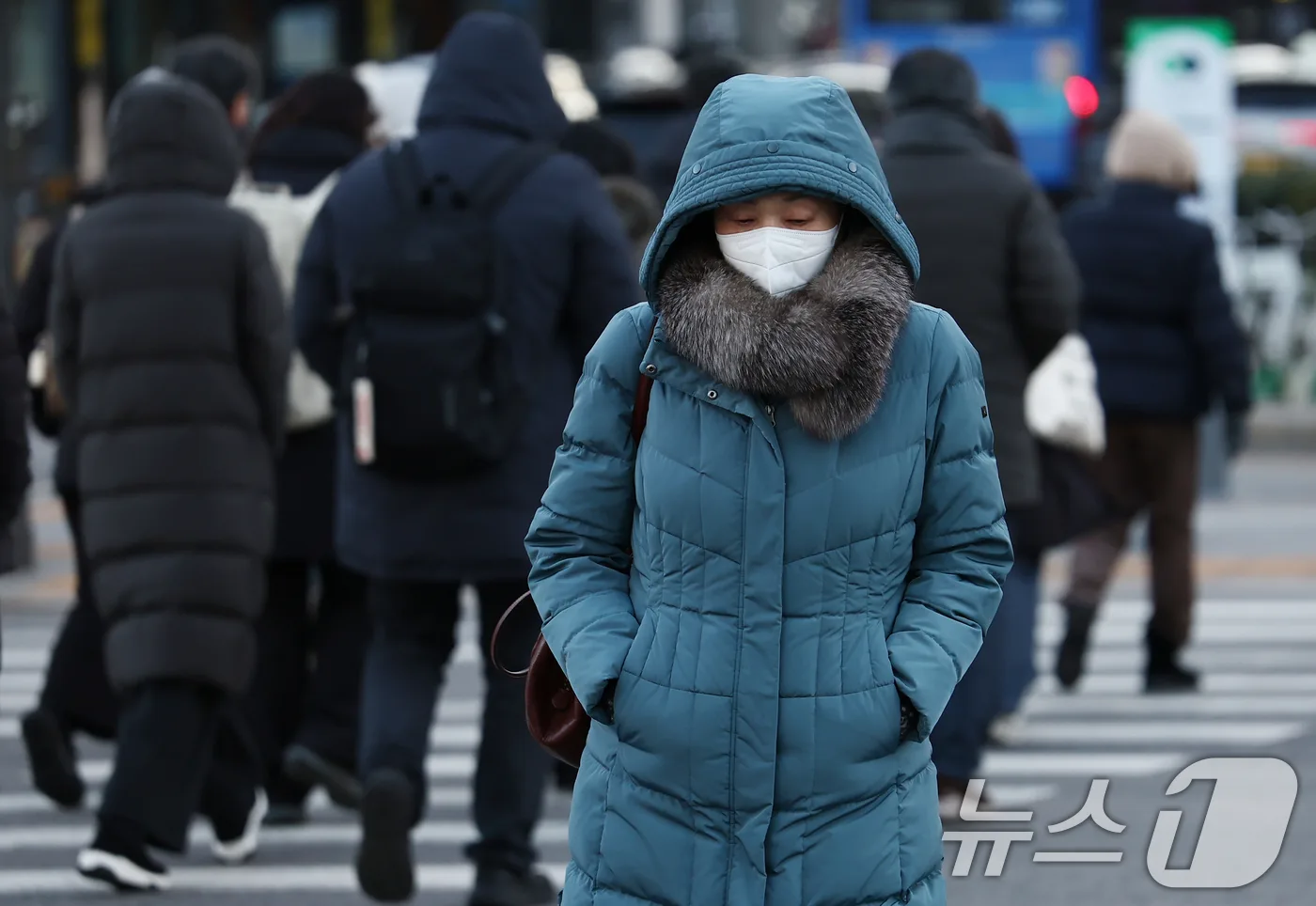
The Siberian High and Samhansaon
Korea's winter cold comes from the Siberian high-pressure system. When its influence is strong, Seoul has at times been colder than Moscow.
Samhansaon (삼한사온) describes a winter pattern in East Asia where temperatures rise and fall in cycles. When the Siberian high strengthens and spreads over the Korean Peninsula, it turns cold (han, 寒). When it weakens and turns into a moving high-pressure system, it turns milder (on, 溫). As a result, cold days and mild days alternate within the same winter. The longer your trip, the more likely you are to see both, so clothes you can layer are the practical choice.
Seoul Snow Stays Under 5 cm; Mountains Get 1 m
Over the last 10 years, Seoul has averaged 25.4 snowy days a year, and the snow that settles is usually under 5 cm (2 inches). Snow falls often, but days when enough builds up to count as a snowscape are rare.
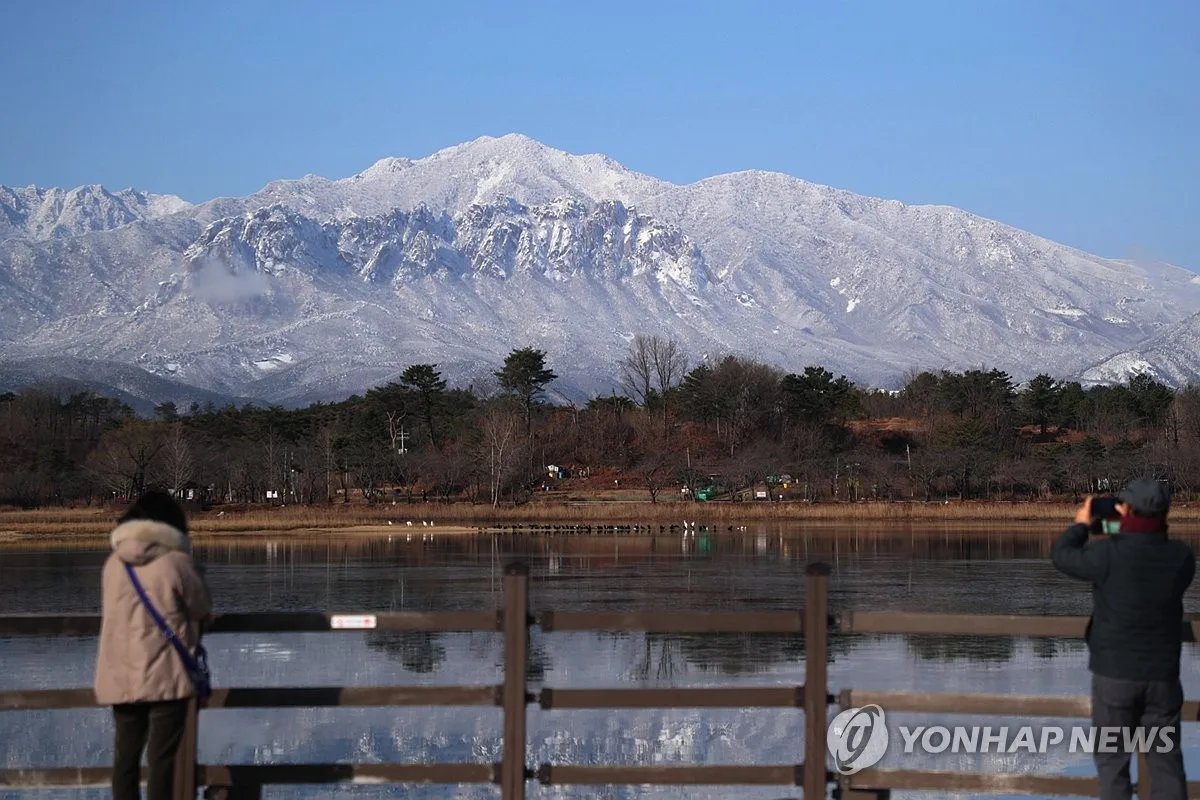
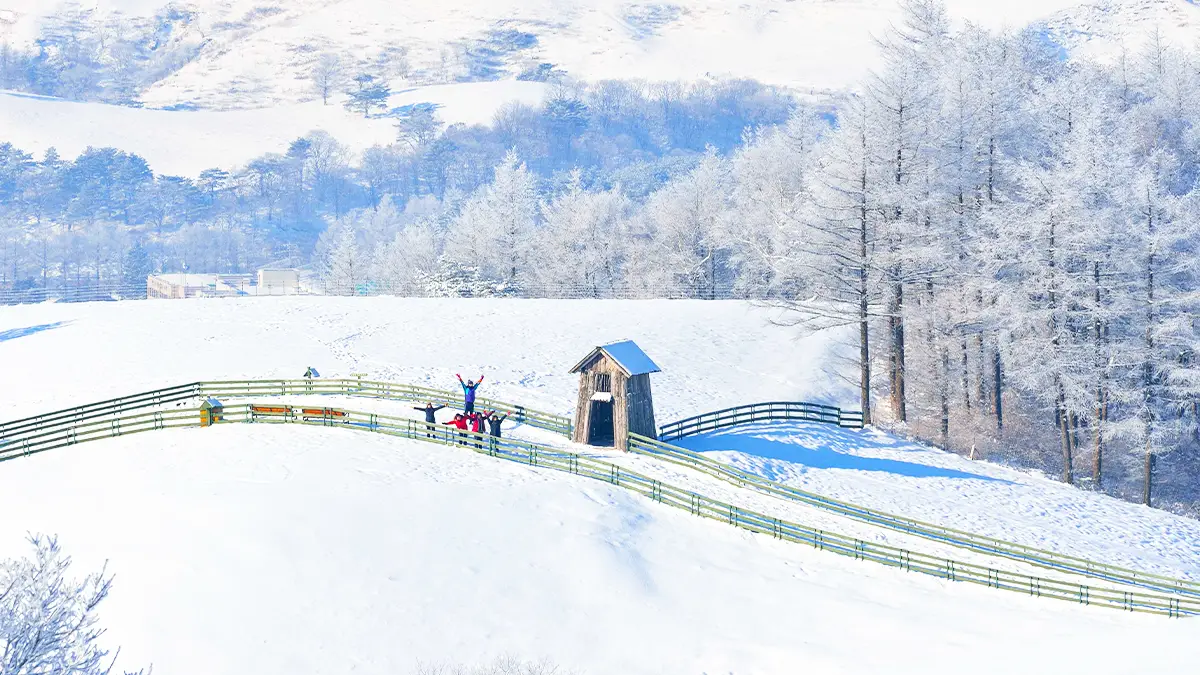
Snow really piles up in the mountains. In the Gangwon mountains, more than 1 m (3 ft) of snow can fall in a day or two. Mount Halla on Jeju also often gets more than 1 m of snow in winter. Seoraksan has about 30 snow-covered peaks.
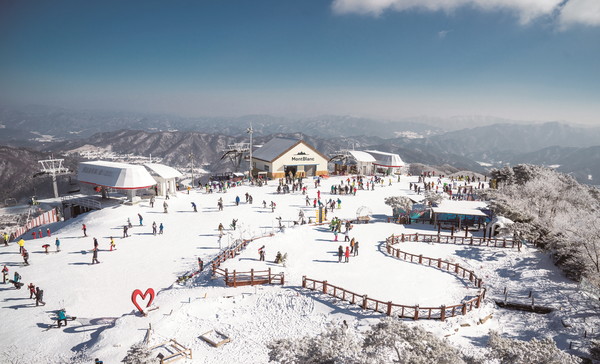
Ski Resorts and Ice Festivals: Things to Do in Winter
Korea has about 10 ski resorts, and most are in Gangwon Province. Some also have sledding slopes where children can ride. Opening dates change every year. In the 2025–26 season, temperatures in the high-elevation areas of Gangwon dropped to -10°C (14°F), and Phoenix Pyeongchang opened on November 21, about a week earlier than planned.
Popular winter activities include:
- Skiing and sledding: Gangwon ski resorts and sledding slopes for children
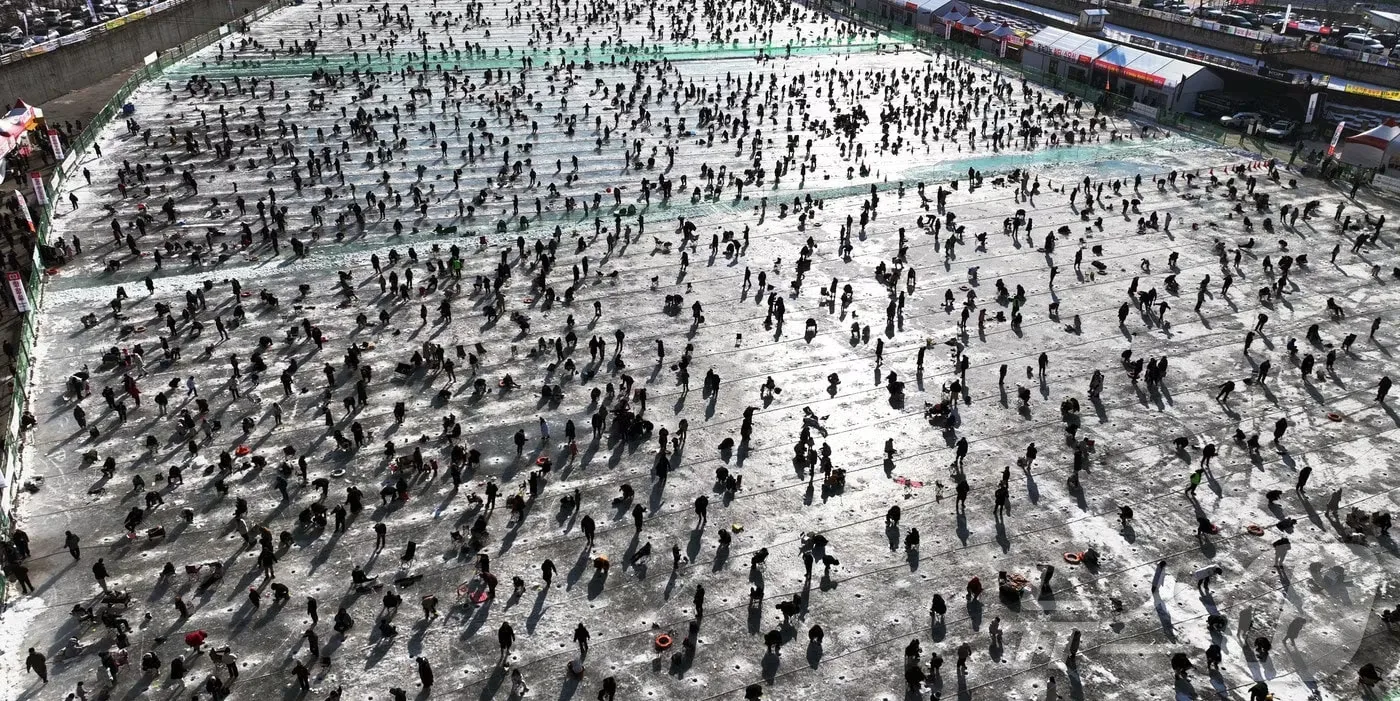
- Ice fishing: Ice fishing and ice sledding at the Hwacheon Sancheoneo (mountain trout) Ice Festival
- Snow scenery: Daegwallyeong Sheep Farm and the Wondae-ri birch forest
- Ice skating: Indoor rinks operate year-round, while outdoor rinks such as the one in front of Seoul City Hall open only in winter
Snow in the Mountains, Cold-Wave Prep in the Cities
If you want to see snow, plan your trip around the Gangwon mountains or Mount Halla rather than Seoul. If your trip is centered on Seoul, prepare first for cold waves around -15°C (5°F), not for snow.
In the mountains, you need clothing suited to more than 1 m of snow falling in a day or two. What you wear in central Seoul will not hold up for long in a snowfield.
Korea's winter may look mild on average, but December and January bring cold waves of around -15°C (5°F), and far more snow falls in the Gangwon mountains than in Seoul. Decide first whether you are headed to a city or the mountains, and packing for a winter trip gets much easier.