Foreign tourists in Korea can get a refund on value-added tax (VAT) when they shop at stores with a "Tax Free" sign. For expensive electronics such as smartphones, laptops, and cameras, the amount you get back and when you get it depend on the refund method and the customs steps you follow when you leave. Tax Free is a system that lets foreign tourists claim back the tax on goods they buy during a trip. A Global Tax Free notice posted at a store entrance in Seoul's Myeongdong shopping district. Photo: Tenant News Refunds are about 4–8% of the purchase price The Tax Free refund applies to foreign tourists who spend at least ₩15,000 per receipt. The amount you actually get back is about 4–8% of the purchase price. The taxes refunded are VAT and the individual consumption tax. The VAT included in the price is about 9%, and you receive that amount minus the refund agency's fee. You qualify if you are a non-resident foreigner staying in Korea for less th...
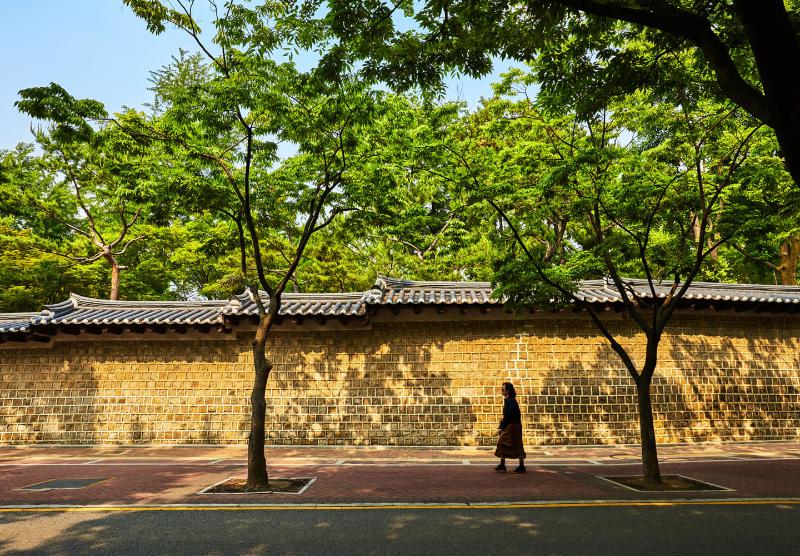
The best-known Korean love superstition says that couples who walk along the Deoksugung stone wall road will break up. Deoksugung Doldamgil (덕수궁 돌담길) is a walking path that runs along the wall of Deoksugung Palace in Seoul. Two other superstitions say that giving your partner shoes makes them leave, and that eating chicken wings has a similar effect on a man's relationship.
Four Stories Behind the Stone Wall Road Superstition
Four explanations are usually given for why this path became known as a breakup road.
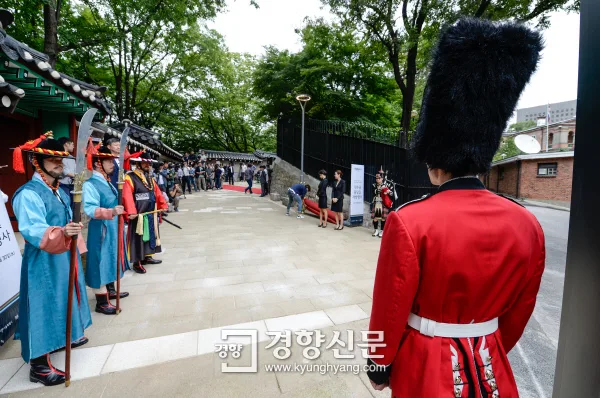
- The British embassy: The path is cut off partway by the British embassy. People said that couples' bond would be cut off the same way.
- The family court: A family court once stood next to Deoksugung. To file for divorce, people had to go there, and the route passed along the wall.
- A song: A song called "Deoksugung Stone Wall Road" (덕수궁 돌담길), released in 1966, has lyrics about parting.
- The resentment of royal concubines: According to one story, the resentment of royal concubines who never received the king's favor lingers on the path and pulls apart couples who walk it.
Some people explain the superstition with the Pygmalion effect, the idea that beliefs shape behavior. In this reading, a couple who believe they will break up end up acting in ways that make it happen.
Turning the Superstition Into a Joke
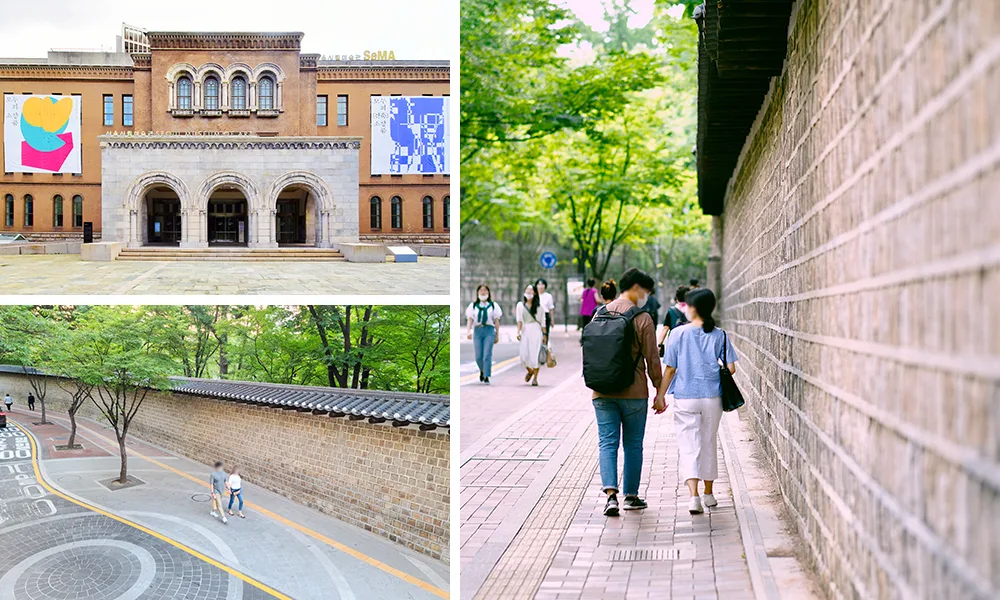
Friends, couples, and photographers still visit the Deoksugung stone wall road today. Young people in Korea often flip the superstition into a joke online. A common version is a caption saying a couple walked hand in hand along the wall and are still together after 1,000 days. The breakup myth has become a fun theme for couple photos.
Giving Shoes to a Partner Means They Will Leave
In Korea, there is a superstition that if you give your partner shoes, they will leave you. The idea comes from the image of someone putting on the shoes and walking away. Some people say that if you give shoes as an anniversary gift, the person who receives them will cheat. So the superstition has two outcomes: the partner leaves, or the partner cheats. Another story says the recipient can cancel the bad luck by paying a small amount, around 1,000 won.

The Chicken Wing Superstition and the Red Ink Taboo
Another superstition says that if a boyfriend or husband eats chicken wings for another woman, he will leave his partner or wife. A separate taboo says that writing a person's name in red ink brings bad luck. This is a general taboo, not a love superstition. In the past, red was a color associated with death in Korea.
Couple Gift Days and the Shrinking 14th
In Korea, women give men chocolate on Valentine's Day. On White Day, March 14, men give women candy. Some couples skip White Day and exchange gifts on Valentine's Day instead. On Rose Day, May 14, couples exchange roses, and often just one flower. On Black Day, April 14, people who got no gifts used to eat jajangmyeon (짜장면), a noodle dish in black bean sauce, but fewer people do this now. Most of the monthly "14th" days that once existed have faded away, apart from a few.
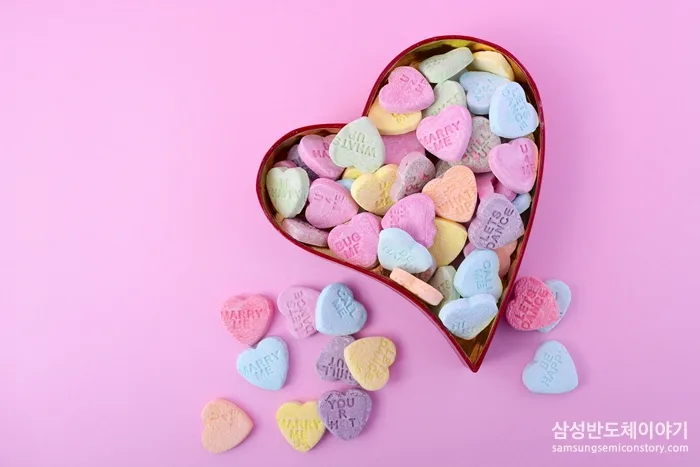
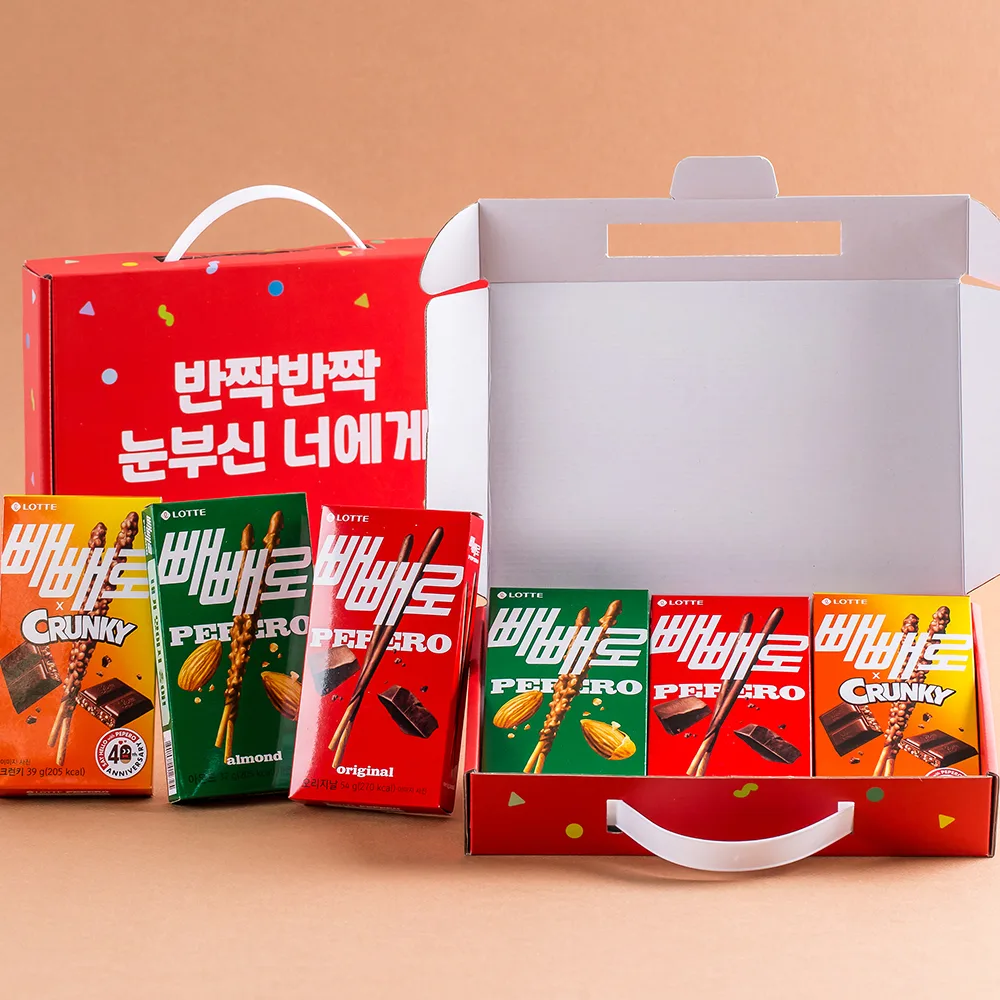
On Pepero Day, November 11, couples exchange Pepero (빼빼로), a chocolate-covered biscuit stick snack. The date 11.11 looks like four sticks standing side by side. There is also a game in which two people hold opposite ends of one stick in their mouths and start eating on a signal.
Skip the Shoes and Enjoy the Walk
If you are choosing a gift for a Korean partner, avoid shoes and you will not run into the superstition. The Deoksugung stone wall road is a good place for a walk, and you can treat the superstition as a conversation topic. The chicken wing superstition applies to boyfriends and husbands, so most travelers do not need to worry about it.
Korean love superstitions come down to the Deoksugung stone wall road, shoes as gifts, and chicken wings, and the stone wall road superstition has now become a playful joke. Skip the shoes and take a relaxed walk along the wall. Knowing these superstitions makes Korean dating culture more fun to watch.