Foreign tourists in Korea can get a refund on value-added tax (VAT) when they shop at stores with a "Tax Free" sign. For expensive electronics such as smartphones, laptops, and cameras, the amount you get back and when you get it depend on the refund method and the customs steps you follow when you leave. Tax Free is a system that lets foreign tourists claim back the tax on goods they buy during a trip. A Global Tax Free notice posted at a store entrance in Seoul's Myeongdong shopping district. Photo: Tenant News Refunds are about 4–8% of the purchase price The Tax Free refund applies to foreign tourists who spend at least ₩15,000 per receipt. The amount you actually get back is about 4–8% of the purchase price. The taxes refunded are VAT and the individual consumption tax. The VAT included in the price is about 9%, and you receive that amount minus the refund agency's fee. You qualify if you are a non-resident foreigner staying in Korea for less th...
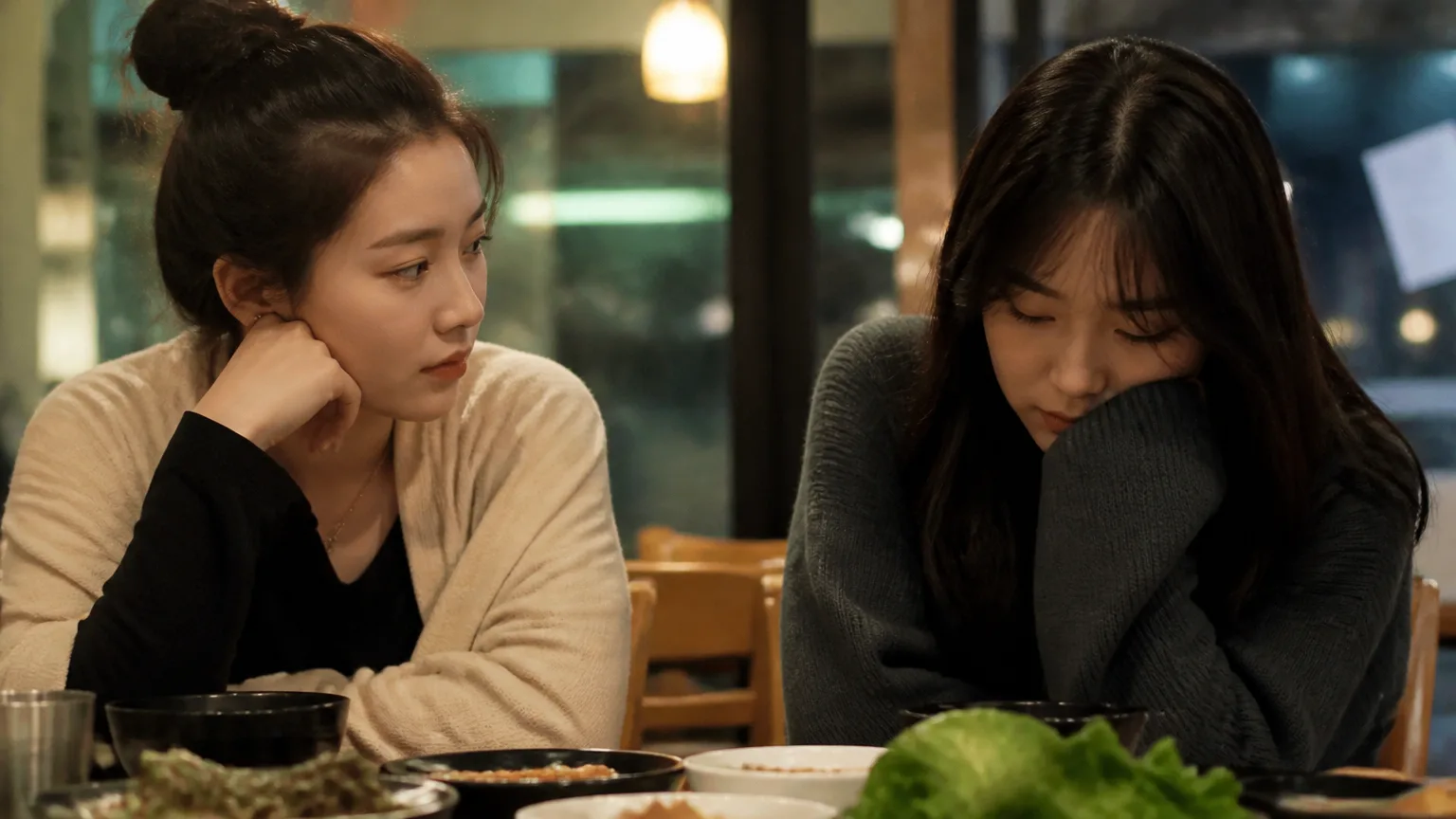
Nunchi (눈치) is the Korean ability, and the concept, of sensing the moods and atmosphere that other people do not say out loud. Its literal meaning is "eye measure." In Korea, a person with this skill "has nunchi," and a person who misses the signals "has no nunchi."
Meaning, Spelling, and Usage
In Hangul, the Korean alphabet, the word is written 눈치. Its Revised Romanization is nunchi. English speakers also use the spelling noonchi. In English, it is sometimes rendered as "reading the room" or "having emotional intelligence."
Nunchi appears in many everyday expressions. Nunchi itda (눈치 있다) describes someone with tact and common sense. Nunchi eopda (눈치 없다) describes someone who is socially clumsy. Nunchi ppareuda (눈치 빠르다) means a person reads a situation quickly. To "give nunchi" (눈치를 주다) means to hint at a situation without saying it directly, so that the other person acts on their own.
Children in Korea learn nunchi by watching, not by being taught rules. They learn by observing who speaks, who listens, who interrupts, and who apologizes.
Nunchi as a Secret to Happiness and Success
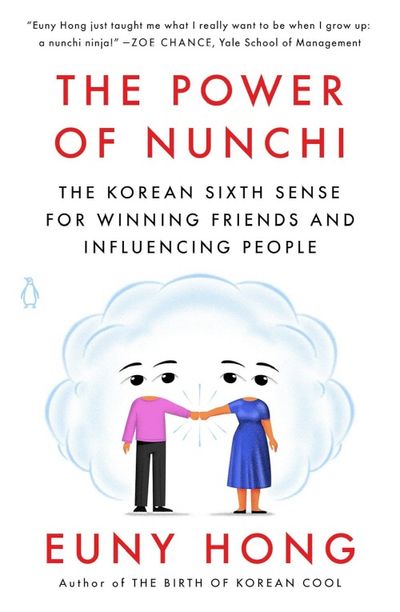
The best-known book to present nunchi as a "secret to happiness and success" is Euny Hong's The Power of Nunchi: The Korean Secret to Happiness and Success. The book defines nunchi as "eye measure." It presents nunchi as the skill of sensing what others think and feel in order to build trust, harmony, and connection. Its framing is that reading the room can help you get ahead at work, in dating, and in daily life.
Explanations within Korea describe the same ability as a way of keeping harmony, and they also name the other side. Nunchi can produce social consideration, and it can produce social conformity. It can also become a tool for pushing people out. The "secret to happiness" pitch and the "tool of conformity and exclusion" description are two faces of the same ability.
Nunchi at Drinking Tables and Meals
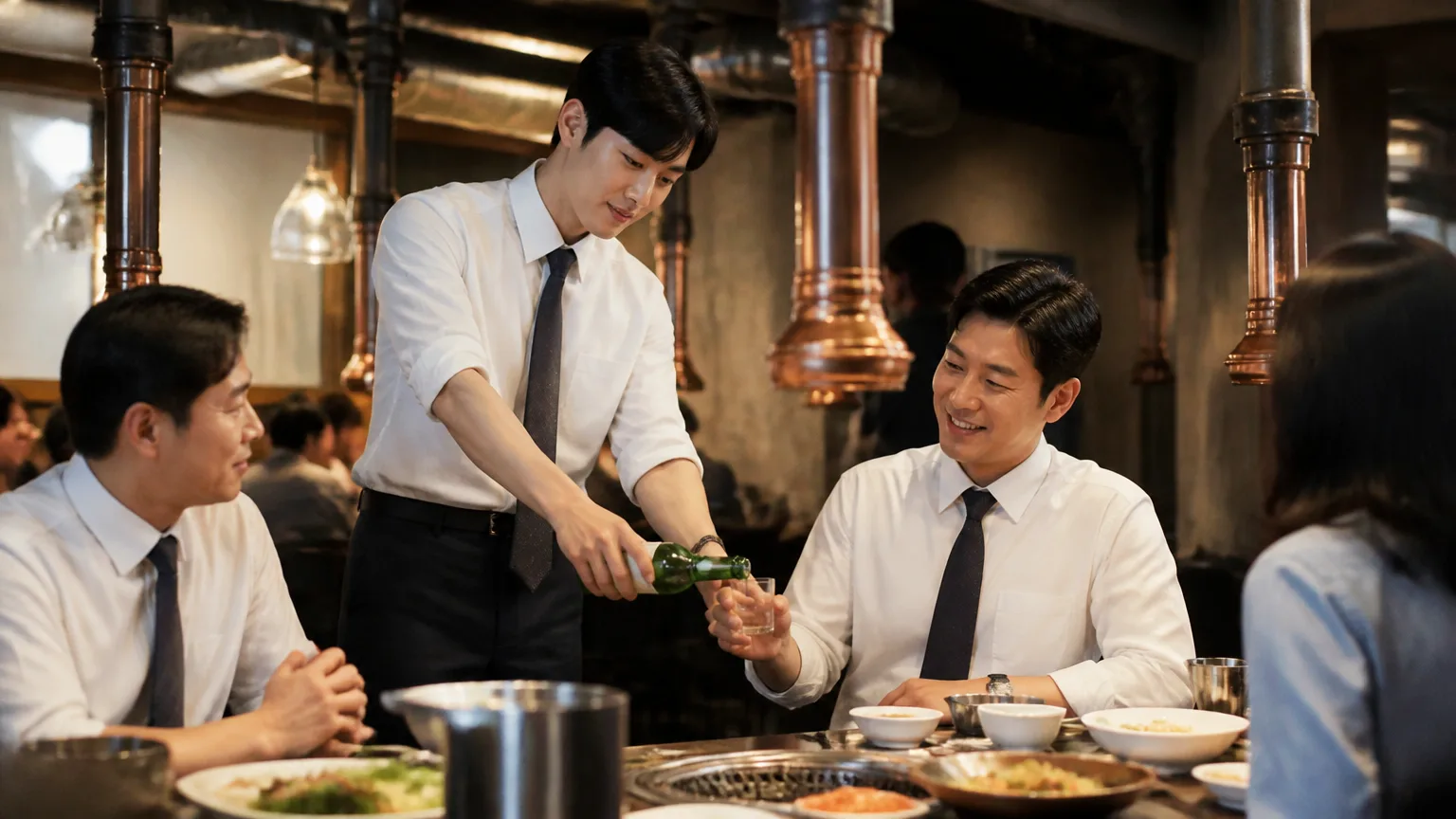
At a Korean drinking table, the basic nunchi move is not to pour your own glass. Instead, you watch for the empty glasses of the people around you. If you pour for them first and keep an eye on their glasses, others will fill yours. Visibly paying attention is what matters.
- In front of an older person, turn your body slightly away as you drink.
- When you toast, hold your glass lower than the glass of the more senior person.
- Receive the first drink, touch it to your lips, and leave the glass half full.
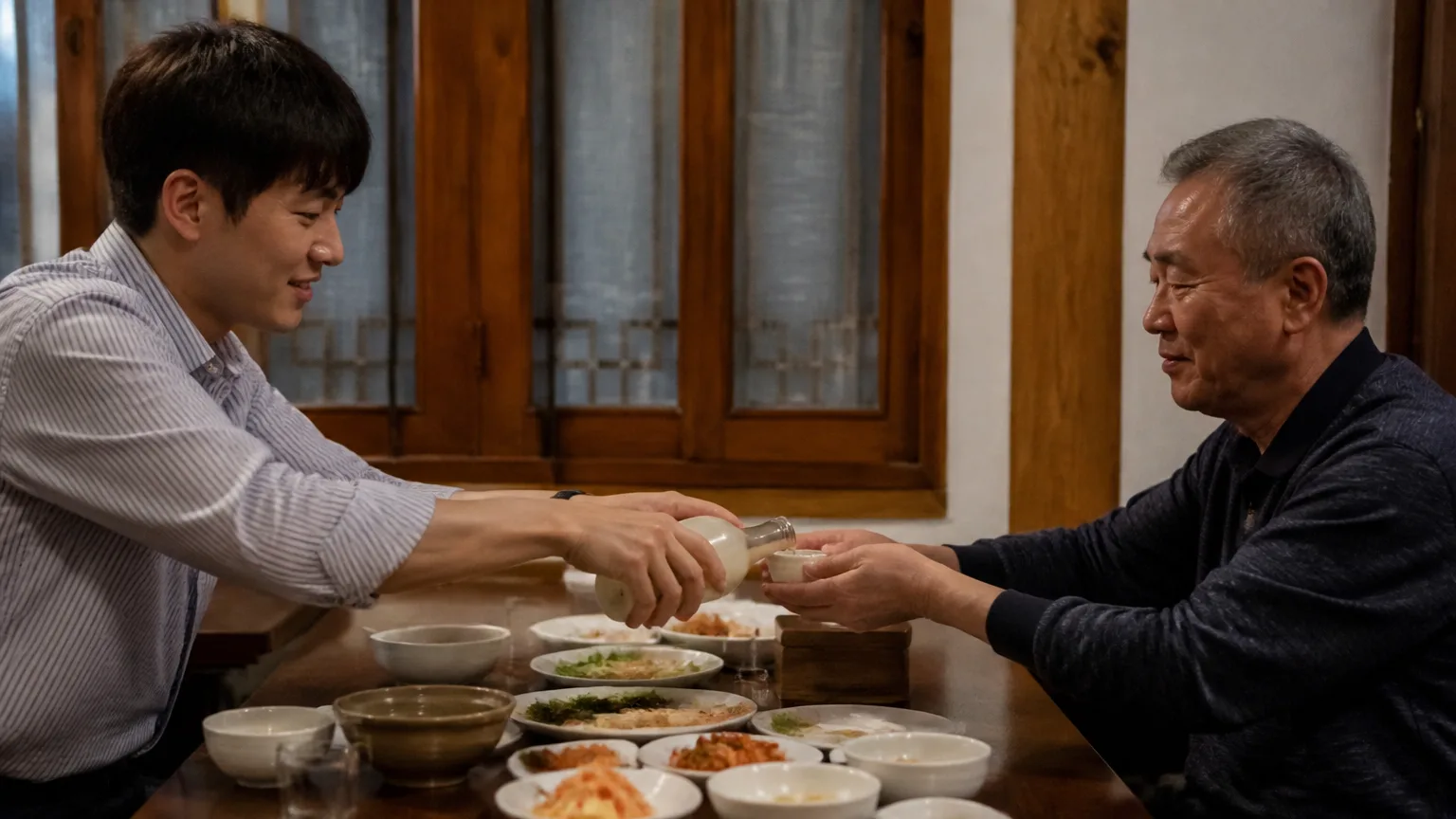
At a Korean meal, you start eating after the oldest person has picked up their spoon. Do not stand chopsticks upright in your rice, and do not lift your rice bowl. Using both hands when you give or receive something is the habit that counts for the most. Leaving the last bite at dinner is also taken as a polite act.
What "Nunchi-geot hae" Means at Work
In a Korean workplace, "nunchi-geot hae" (눈치껏 해) stands in for a clear instruction. It means a manager does not spell out the scope and method of the task. They leave it to you to judge for yourself.
At work, silence can be a sign of agreement. It does not always mean there is no objection. It can be a choice not to break the mood, so watch facial expressions and tone of voice as well. Soft phrases such as "This is a bit…" or "It's fine" can be sincere, or they can hide discomfort.
In the Confucian tradition, a young person was someone who noticed the needs of their seniors before those needs were spoken. At work, people are addressed by job title instead of name, and the youngest member often takes the roles of pouring drinks and pressing the elevator button. The norm of not leaving before your boss has weakened greatly compared with the past.
Similar to Emotional Intelligence, but Not the Same
In English-speaking countries, nunchi is explained as close to the Western idea of emotional intelligence. However, there is no direct translation, and emotional intelligence is only an approximation.
Nunchi is a bundle of skills needed to communicate well in a high-context culture, where much goes unsaid. In a high-context culture, communication works through a structure in which the culture explains much of what is not said. In Korea, nunchi also includes judging the power relationships within a group by watching faces and behavior. A person with good nunchi manages social relationships well and is highly regarded by seniors.
An everyday example is the Seoul subway. No one says anything, yet everyone moves smoothly.
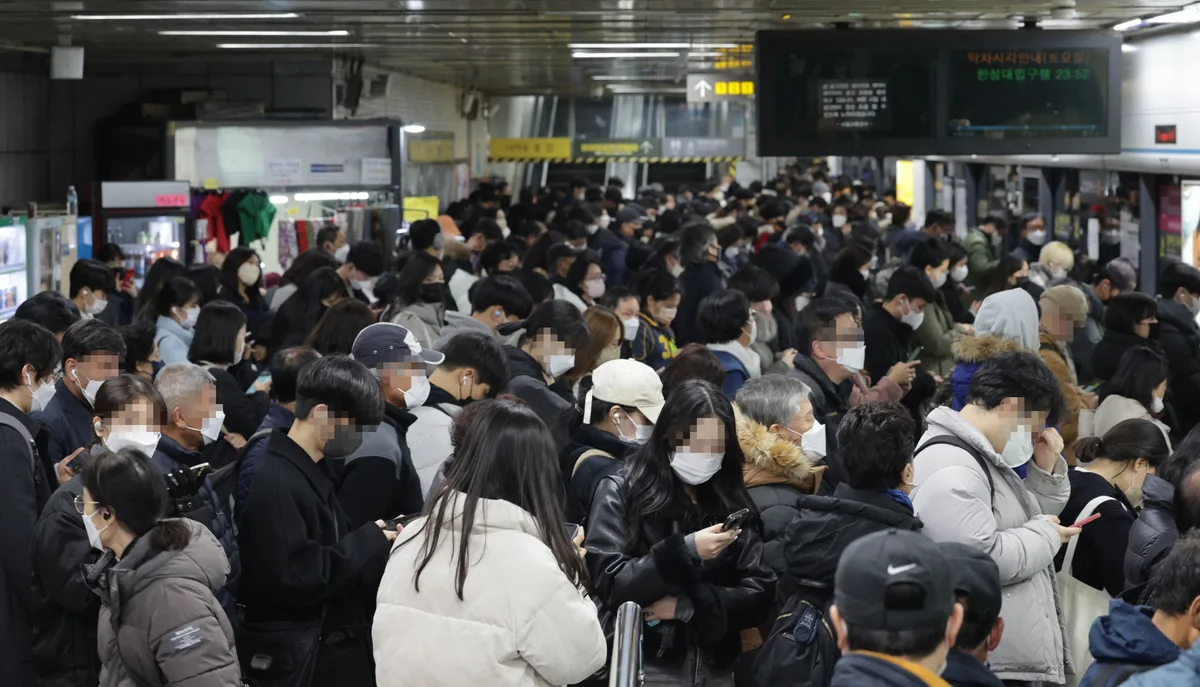
Side Effects When Nunchi Goes Too Far
Too much nunchi brings over-interpretation and emotional labor. A person who tries too hard to read others' signals ends up overthinking and unable to state their own opinion. This burden tends to fall especially on women and junior staff.
In groups with a hierarchy, over-interpretation can lead to unproductive results, and seniors can come to dominate juniors excessively. In classrooms, nunchi also leads students to soften their opinions on sensitive topics such as politics or feminism. Students must keep facing one another afterward, so they choose to preserve harmony.
When nunchi becomes a tool of exclusion, one person is isolated and lonely. They can be branded with wangdda (왕따), which means being shunned by a group. For autistic people, for whom reading signals is difficult, nunchi is an especially high barrier.
How Foreigners Can Build Nunchi
The easiest way for a foreigner to build nunchi is to observe one beat before acting. Having no nunchi does not make you rude. A willingness to learn is enough.
- Observe first, before you act.
- Notice what a silence might mean.
- Lower your voice in quiet public places.
- If you were confused, ask someone you trust afterward.
- Show real interest in learning Korean culture.
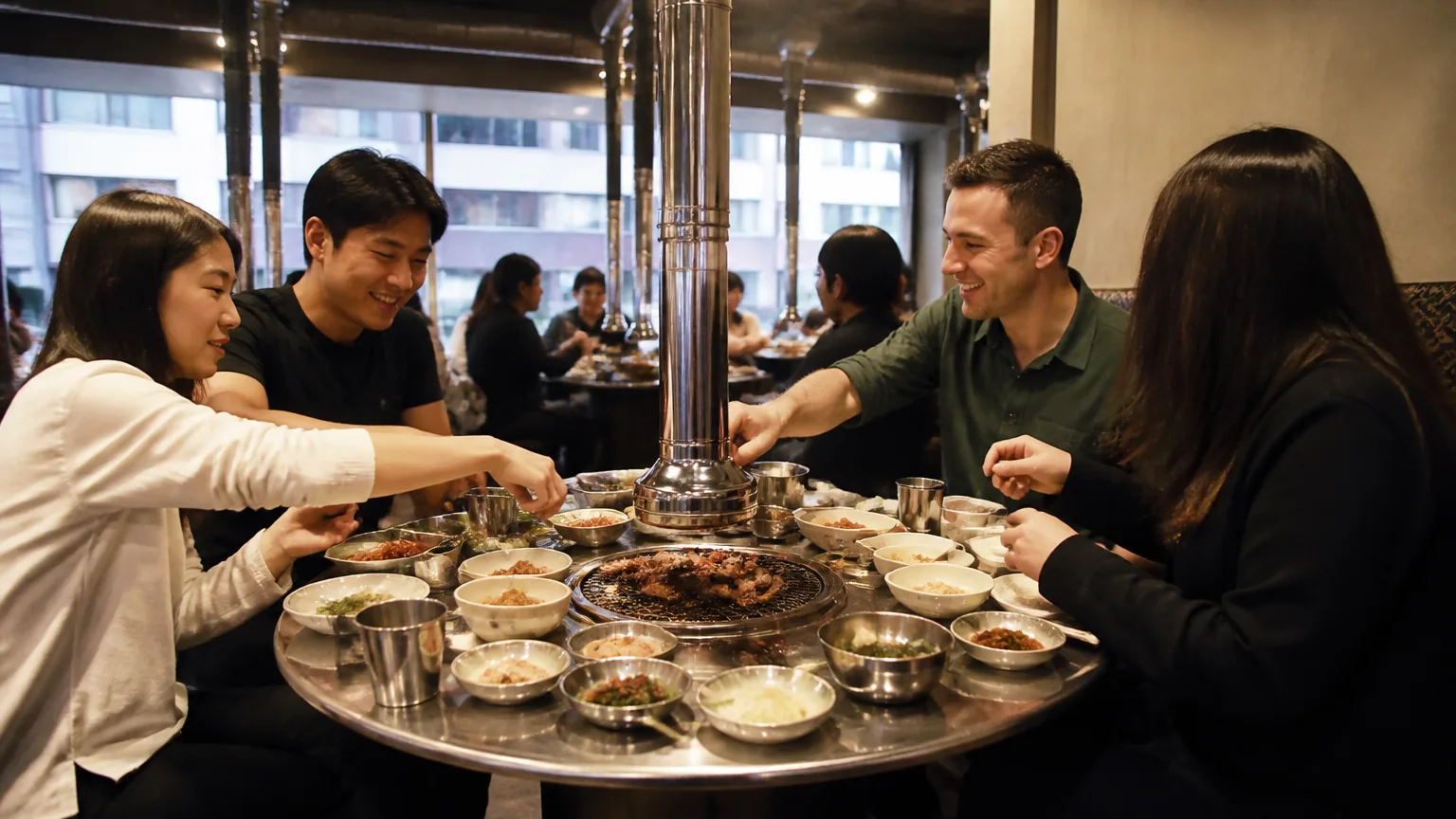
Foreigners most often make seven mistakes: pouring and drinking alone, eating before an older person, giving or receiving with one hand, holding a spoon and chopsticks together, sitting in the subway's priority seats, blowing your nose at the table, and standing chopsticks upright in rice.
Mistakes in bowing angle, speech level, and forms of address are mostly forgiven. Foreigners living in Korea are given wide leeway in these areas.
Nunchi is the Korean habit of reading what is not said. It has two faces: a skill for keeping harmony and a tool of conformity. At your next drinking table or meal, watch one beat first, and start by waiting for the oldest person to pick up their spoon and by giving and receiving with both hands.