Foreign tourists in Korea can get a refund on value-added tax (VAT) when they shop at stores with a "Tax Free" sign. For expensive electronics such as smartphones, laptops, and cameras, the amount you get back and when you get it depend on the refund method and the customs steps you follow when you leave. Tax Free is a system that lets foreign tourists claim back the tax on goods they buy during a trip. A Global Tax Free notice posted at a store entrance in Seoul's Myeongdong shopping district. Photo: Tenant News Refunds are about 4–8% of the purchase price The Tax Free refund applies to foreign tourists who spend at least ₩15,000 per receipt. The amount you actually get back is about 4–8% of the purchase price. The taxes refunded are VAT and the individual consumption tax. The VAT included in the price is about 9%, and you receive that amount minus the refund agency's fee. You qualify if you are a non-resident foreigner staying in Korea for less th...
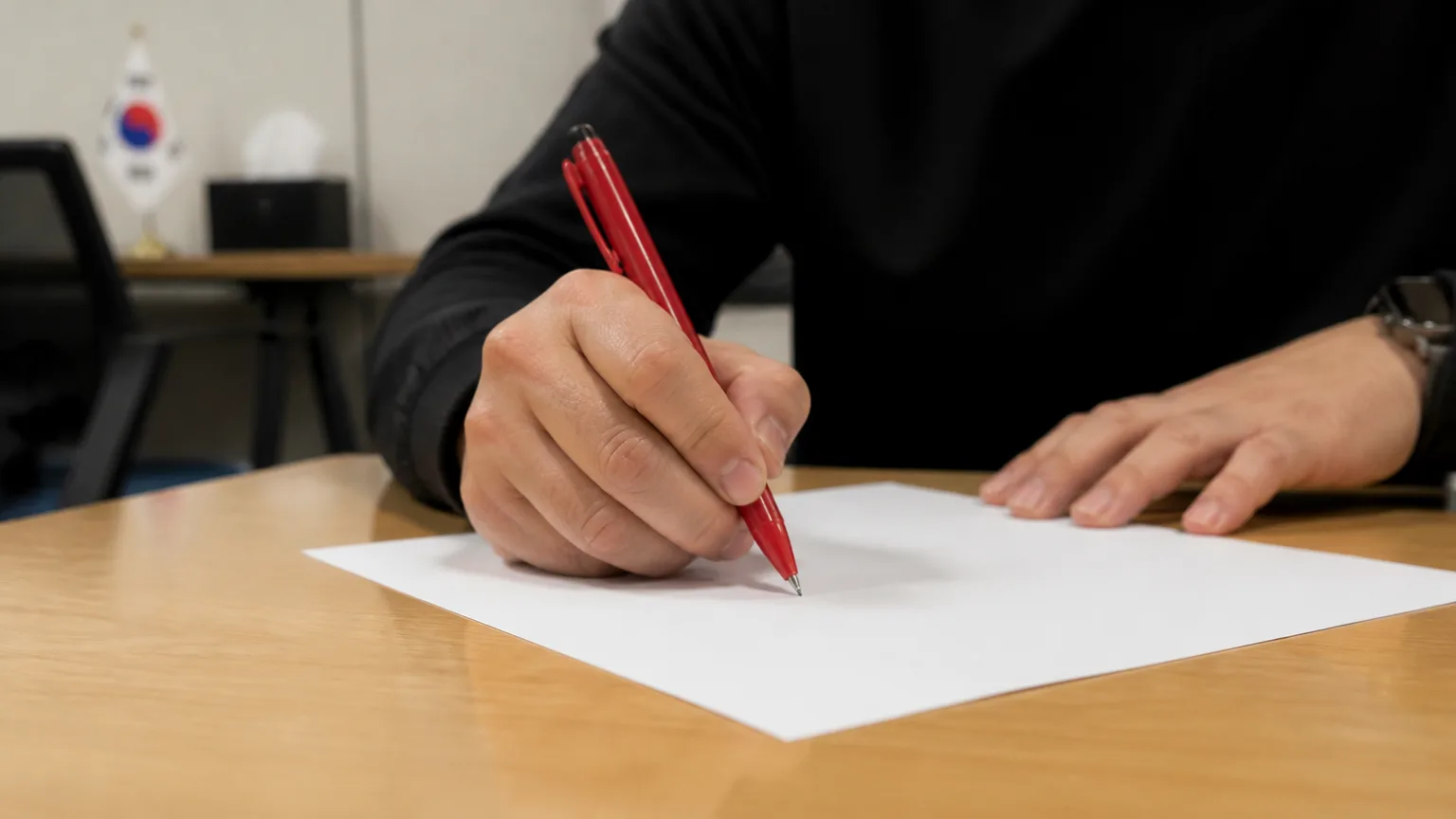
In Korea, a common belief says that writing a living person's name in red ink brings death or bad luck to that person. Writing a name in red is taboo. The only exception is the red ink of a dojang (도장), a personal seal stamped in place of a signature. This guide covers what travelers and expats should know when writing names on cards, documents, and students' papers in Korea.
The Red Ink Taboo and the Dojang Exception
According to the superstition, writing a person's name in red ink can cause that person to die. Many Koreans are uncomfortable seeing their own name written in red. Some adults stop children who write a name with a red colored pencil, saying "You'll die" (너 죽는다).
One explanation says red was once the color of death in Korea. Red resembles blood, so it was seen as a sign of pain and death.
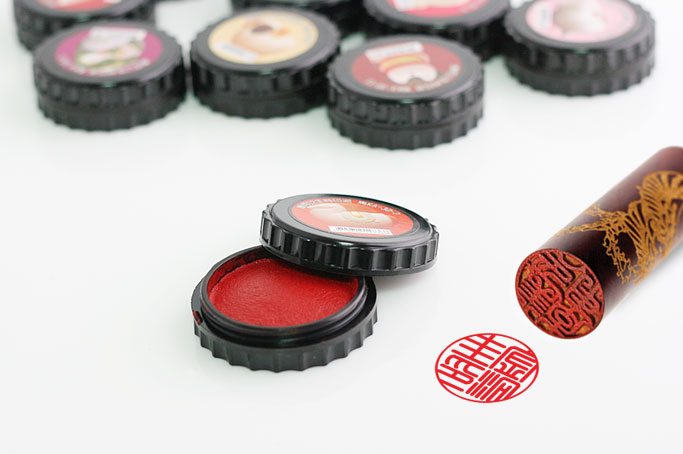
The red ink pad used with a dojang is an exception. A dojang is the mark that makes a document official, so its red color is not a problem.
Four Competing Origin Stories
The origin of the red name taboo is explained in four different ways: household registers, independence activists, the Korean War, and the Chinese imperial color.
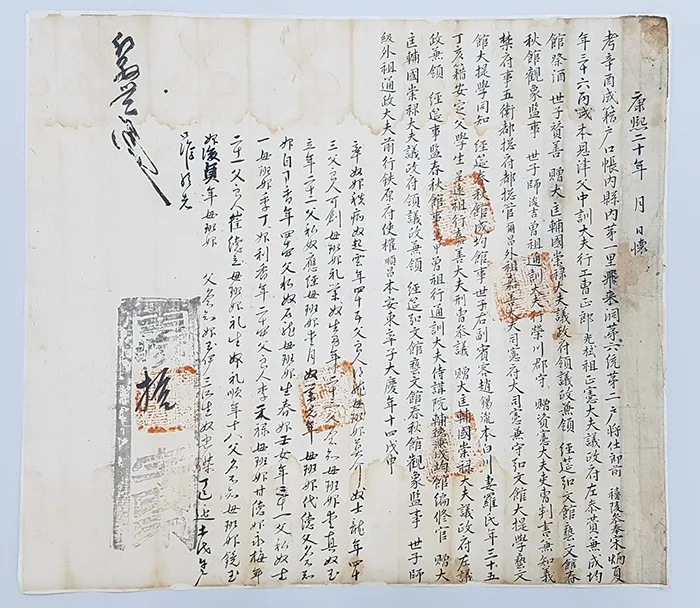
- Household registers and funeral banners: One explanation says that when a person died, their name was written in red ink in the hojeok (호적), the old official record of a family, and on funeral banners. By that logic, writing a living person's name in red would have the opposite effect and bring death.
- Independence activists: Another explanation says that during the Japanese colonial period, a red line was drawn through the names of patriots who died fighting for independence. People later came to believe that writing a name in red brings bad luck.
- The Korean War: A third explanation says that during the Korean War (known in Korea as "6.25"), the names of soldiers killed in action were written in red when families were notified.
- The Chinese imperial color: A fourth explanation says the Chinese loved red so much that they wanted it for themselves, so they invented a superstition that no one else could use it. The Forbidden City and the emperor's robes are cited as examples.
The first three explanations link red to death. The Chinese imperial color explanation starts from seeing red as a special color. The four stories are separate and do not connect to each other.
Use Black or Blue for Names
When you write a person's name in Korea, use black or blue ink. Here is how it works in different situations.
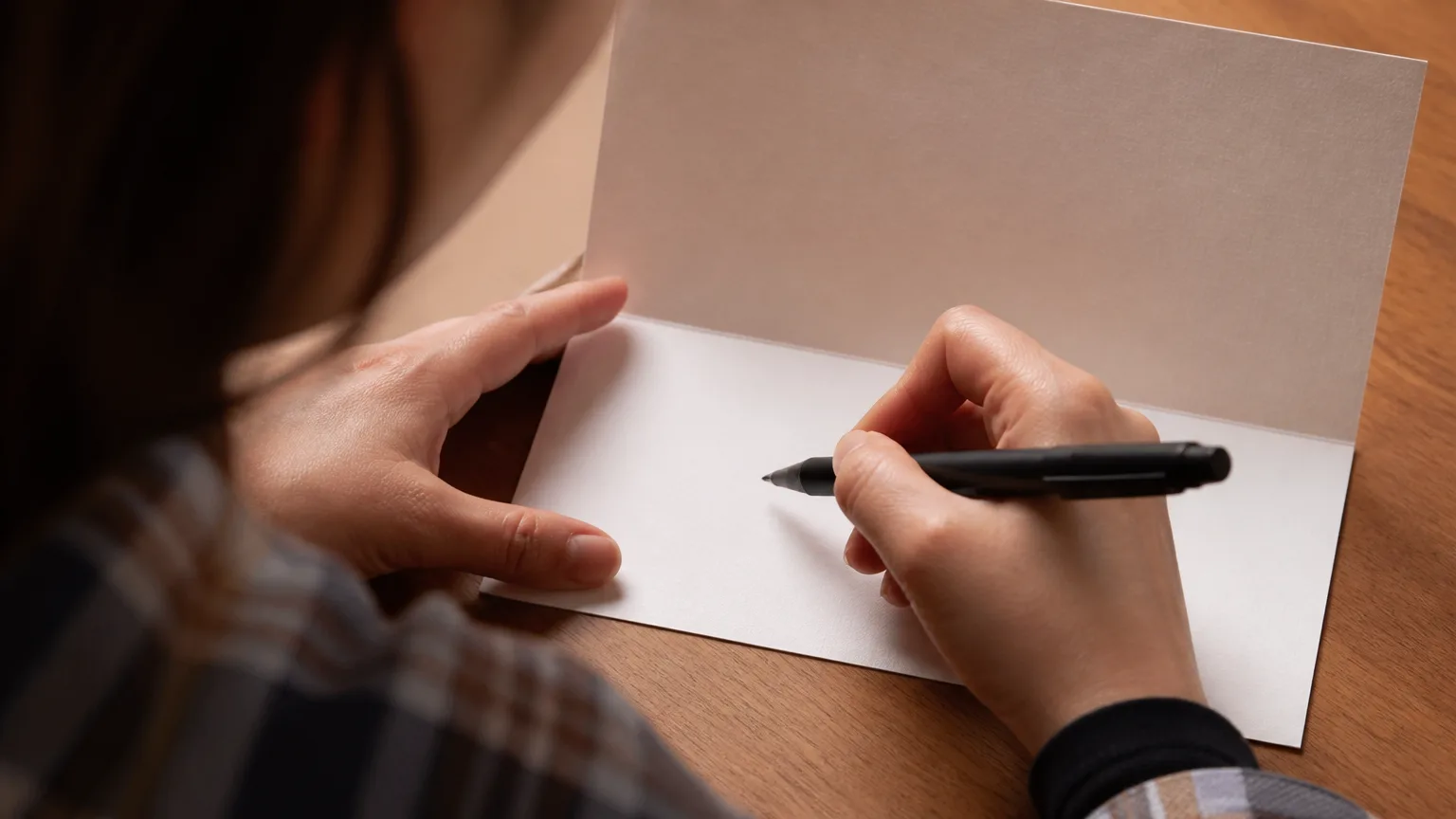
- Gift cards and letters: Writing the recipient's name in red is considered rude.
- Students' names: Teachers should avoid writing a student's name with a red pen.
- Names written by foreigners: If a foreign student writes their own name in red, Koreans may say, "In Korea, writing a name in red is not good," and suggest black instead.
- Writing without names: Notes, underlines, and memos that do not include a living person's name are fine in red.
A Taboo That Still Lasts
Older generations tend to avoid red names, and younger generations follow the rule less strictly. Even so, adults still stop children from writing names in red.
A Korean-born art history professor was told by their grandmother as a child, "Never write anyone's name in red ink." The professor still uses red for notes and highlighting, but never writes a name in red.

Other Superstitions That Come Up Alongside It
Besides the red name taboo, there are superstitions about the number 4, electric fans, butterflies, seaweed soup, yeot candy, and whistling. Here is the reasoning behind each.
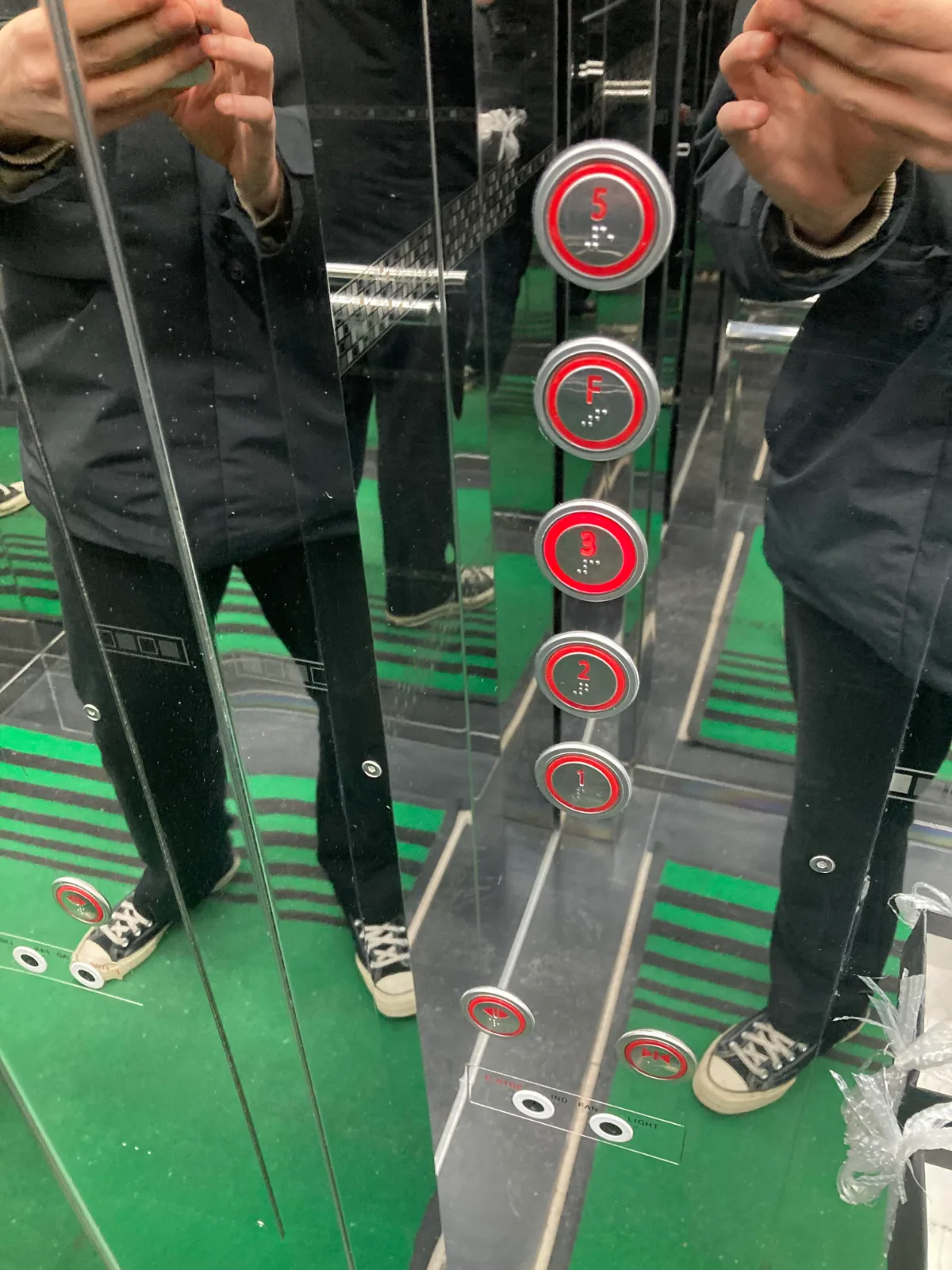
- The number 4: The Korean word for four, sa (사, 四), sounds like the word for death, sa (死). Hospitals, hotels, and other places avoid it. Some elevators show F instead of 4 for the fourth floor.
- Fan death: This is the belief that sleeping with an electric fan on in a closed room can kill you. It is not true scientifically. Younger people mostly treat it as a joke, but the belief led to fans being sold with automatic shut-off timers.
- Butterflies: Seeing a yellow butterfly in early spring is said to be a good omen, and better still in the early morning. White butterflies carry two opposite beliefs: that a white butterfly as your first of spring brings good fortune, and that a white butterfly foretells the death of a parent.
- Seaweed soup on exam day: The belief is that eating miyeok-guk (미역국), seaweed soup, on the morning of an exam means you will fail. Seaweed is slippery, which plays on the Korean expression "slipping up on the exam" (시험에 미끄러지다).
- Yeot and chapssal-tteok: People give yeot (엿), a hard sticky candy, or chapssal-tteok (찹쌀떡), sticky rice cakes, to someone about to take an exam. Like these sticky snacks, the wish is that the person will "stick" to the exam and pass.
- Whistling at night: The belief is that whistling at night brings out snakes. Most Koreans hear this warning once as a child, and it is taken lightly.
In Korea, write people's names in black or blue ink. Use red only for dojang ink and for writing that does not include a name. Following this one rule helps you avoid giving offense when you write names on cards and documents. A name written in the right color can also make a first meeting with a Korean person a little easier.