Foreign tourists in Korea can get a refund on value-added tax (VAT) when they shop at stores with a "Tax Free" sign. For expensive electronics such as smartphones, laptops, and cameras, the amount you get back and when you get it depend on the refund method and the customs steps you follow when you leave. Tax Free is a system that lets foreign tourists claim back the tax on goods they buy during a trip. A Global Tax Free notice posted at a store entrance in Seoul's Myeongdong shopping district. Photo: Tenant News Refunds are about 4–8% of the purchase price The Tax Free refund applies to foreign tourists who spend at least ₩15,000 per receipt. The amount you actually get back is about 4–8% of the purchase price. The taxes refunded are VAT and the individual consumption tax. The VAT included in the price is about 9%, and you receive that amount minus the refund agency's fee. You qualify if you are a non-resident foreigner staying in Korea for less th...
If you paid into Korea's National Pension as a foreigner, you may be able to get your contributions back as a lump-sum refund when you leave Korea. A lump-sum refund (반환일시금) is a one-time payment instead of a monthly pension. You qualify if you meet at least one of three conditions:
- Your nationality is one of the 24 social security agreement countries.
- Your nationality is one of the 26 reciprocity countries.
- Your visa status during the insured period was E-8, E-9, or H-2.
Foreigners who meet none of these three conditions are, in principle, not eligible for the lump-sum refund.
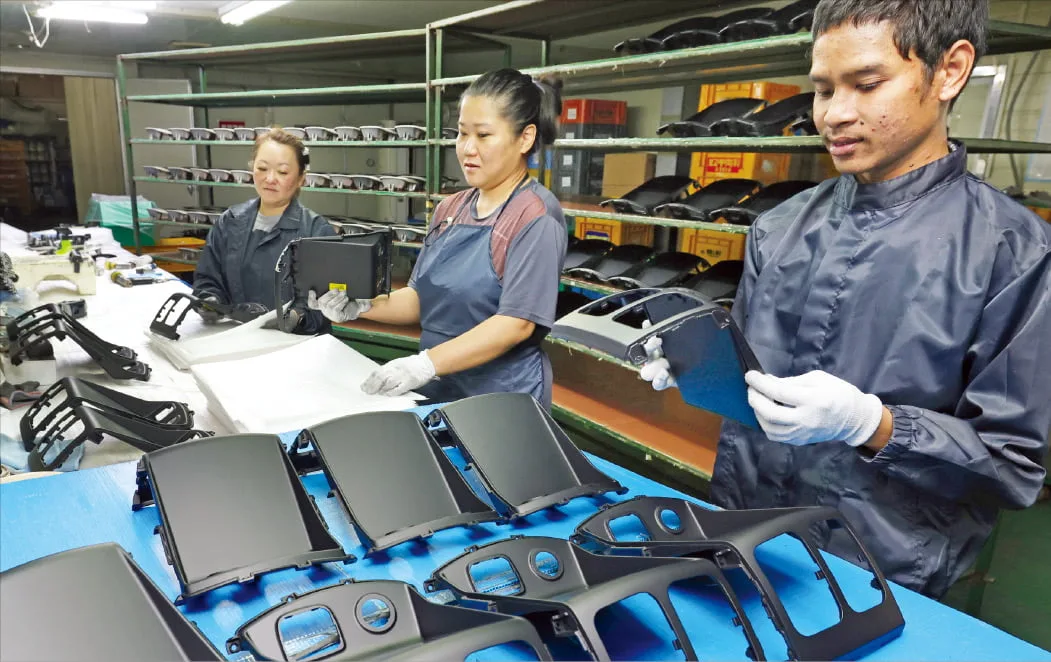
Who Can Get the Refund: 3 Groups
The refund is paid to foreigners who fall into one of three groups: citizens of agreement countries, citizens of reciprocity countries, or holders of an E-8, E-9, or H-2 visa. Payment is triggered by leaving Korea, death, or reaching age 60.
- Social security agreement: citizens of countries whose agreement with Korea includes a lump-sum refund provision.
- Reciprocity: citizens of countries that give Koreans the same benefit.
- Visa status: people whose visa during the insured period was E-8, E-9, or H-2.
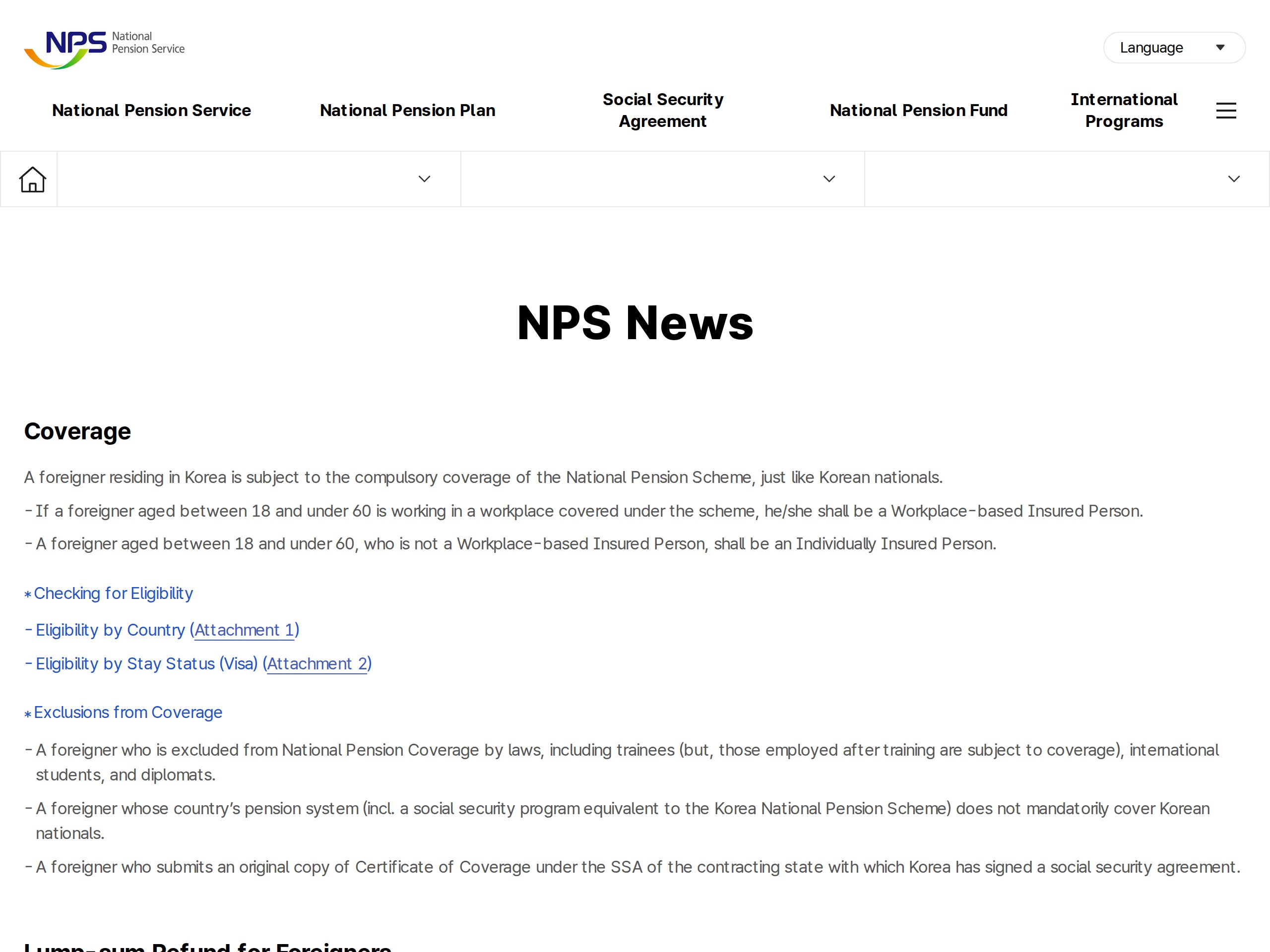
The National Pension Service (NPS) is Korea's public pension. Foreigners aged 18 to 59 are enrolled automatically and must pay in, just like Korean citizens. Trainees (except those in employment training), international students, diplomats, and similar groups are excluded. The visa condition applies to people who enrolled on or after May 11, 2007. The seasonal worker E-8 status, created after December 24, 2019, is not covered.
24 Agreement Countries and 26 Reciprocity Countries
If your nationality is on either list below, you qualify regardless of your visa status.
The 24 social security agreement countries are:
- Germany, the United States, Canada, the Czech Republic, Hungary, Australia, France, Belgium
- Bulgaria, Poland, Slovakia, Romania, Austria, India, Türkiye, Switzerland
- Brazil, Peru, Luxembourg, Slovenia, Croatia, Uruguay, the Philippines, Argentina
The 26 reciprocity countries are grouped by minimum insured period:
- At least 6 months: Belize
- At least 1 year: Grenada, Jordan, Saint Vincent and the Grenadines, Zimbabwe, Cameroon, Thailand, Bhutan, Laos
- No minimum period: Ghana, Sri Lanka, Bermuda, Malaysia, El Salvador, Indonesia, Kenya, Kazakhstan, Hong Kong, Trinidad and Tobago, Sudan, Colombia, Vanuatu, Tunisia, Uganda, Cambodia, the Solomon Islands
To check whether your country is on either list, call the NPS help line at 1355 or visit a local NPS branch office.
How Much You Get: Your Contributions Plus 2.2% Interest
The refund equals the contributions you paid plus interest. Interest runs from the month after each contribution until the month your right to the refund begins. It is calculated at the 3-year fixed-deposit rate, which is 2.2% for 2026. According to NPS guidance, the base amount is "the insurance premiums you paid yourself."
4 Ways to Apply and the Documents You Need
You can apply in one of four ways: in Korea before you leave, by mail from abroad, through an agent, or through your home country's social insurance agency.
1. In Korea, before you leave: application form, passport, alien registration card (외국인등록증), a copy of your bank book, and proof that you will leave within 1 month.
2. By mail from abroad: application form, passport, a copy of your bank book, and an overseas remittance request form. Documents issued abroad need consular confirmation or an apostille (an international document certification). Documents in other languages need a Korean translation that has been notarized.
3. Through an agent: all the application documents plus the agent's ID. A power of attorney can replace the agent's ID.
4. Through your home country's agency: if you apply through your home country's social insurance agency, notarization and apostille may be waived. Countries with a memorandum of understanding (MOU) are Mongolia, Uzbekistan, Thailand, Sri Lanka, Kyrgyzstan, and Indonesia.
When you claim because you are leaving Korea, the refund is in principle paid after you have left. If you submit a flight ticket for a departure within 1 month, you can file the claim before you leave.
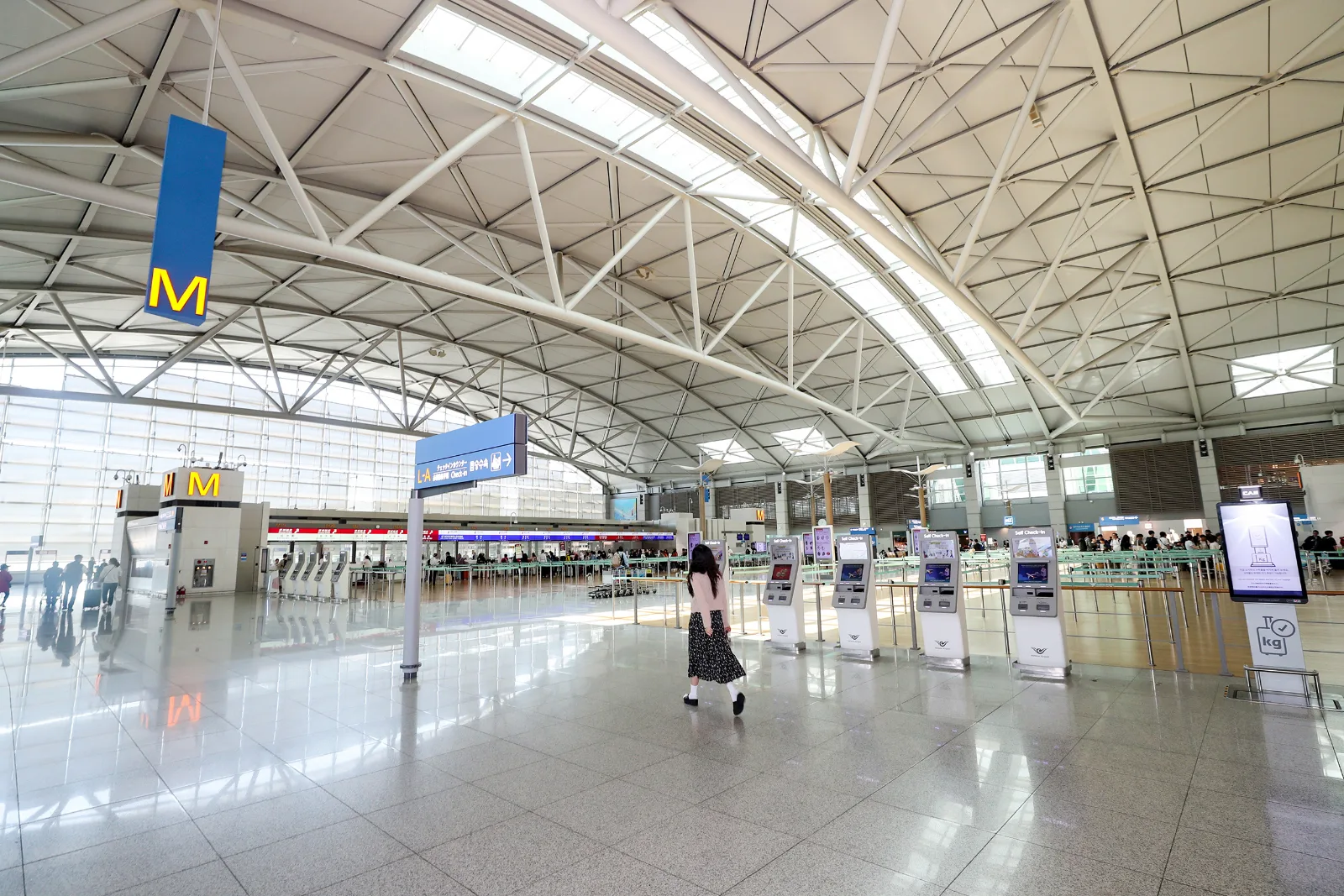
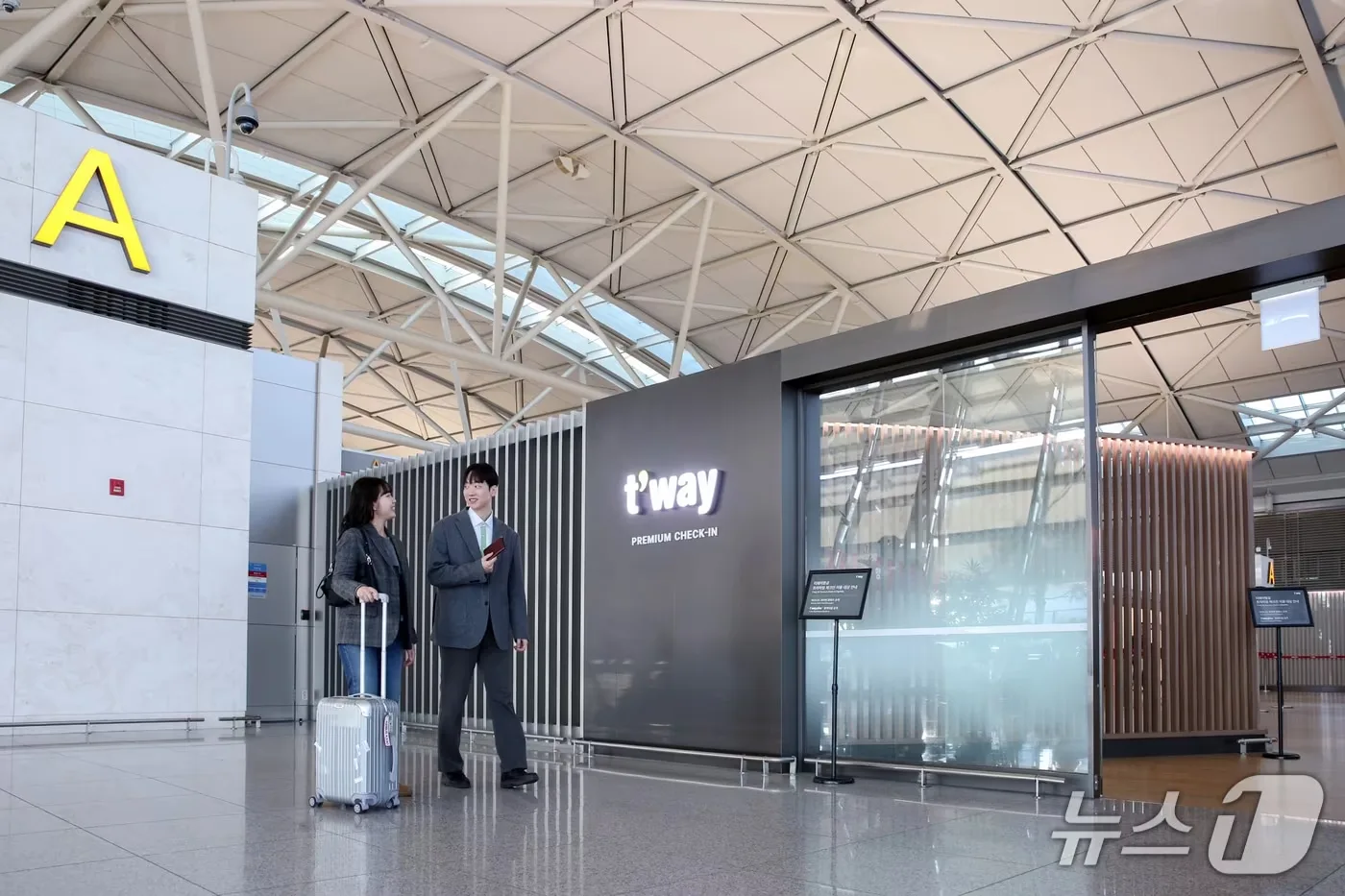
Cash Payment in Foreign Currency at Incheon Airport
If you leave from Incheon Airport, you can receive the refund at the airport in foreign currency cash. The conditions are:
- You must leave Korea within 1 month of the day you apply.
- The refund is paid in one of 16 foreign currencies. It is not paid in won.
- Your employer must have filed your resignation (loss of coverage) report by the day before you leave.
- No payments are made on weekends, public holidays, or the last business day of December.
- On weekdays, your flight must depart between 10:30 a.m. and midnight at Terminal 1, or between 11 a.m. and midnight at Terminal 2.
If your employer files the resignation report late, the airport payment is blocked. When you choose your departure flight, confirm your employer's filing schedule at the same time.
Claim Deadline: 5 Years After Your Right Begins
You must claim within 5 years of the day your right to the refund begins. If the right arises from reaching age 60, the deadline is 10 years for cases arising on or after January 25, 2018. If the right arises from death, the deadline for survivors is 5 years. File your application before the deadline passes.
The "One-Month Payment" Controversy Is About Retroactive Contributions
Reports that foreigners pay in for one month and then collect an old-age pension concern the rules on retroactive contributions (추후납부, paying for past periods afterward). They are separate from the lump-sum refund eligibility rules. You can make retroactive contributions for up to 119 months, and you need at least 120 months of coverage to receive an old-age pension. The problem was that some people paid for one month and added 119 months of retroactive contributions to reach 120.
Under guidance revised on August 31, retroactive contributions are recognized only for the time a person actually stayed in Korea. A month counts only if you stayed at least 15 days of it, and you must submit your entry and exit records. The eligibility conditions and the 5-year claim deadline described above remain as stated in NPS guidance.
In short, the lump-sum refund returns your contributions plus interest if your nationality or visa status meets the conditions. Your flight date and your employer's resignation filing date drive the application, so check the country lists and gather your documents before you leave Korea.